Routing Diaspora Histories (RDH)
We wanted to know what happens when creative practitioners from the African Caribbean diaspora come together to explore pre-colonial African histories on their own terms.
Funded by the Centre for Cultural Value, RDH brought together a small group of artists, cultural, and community practitioners to find out — through research, conversation and creative practice.
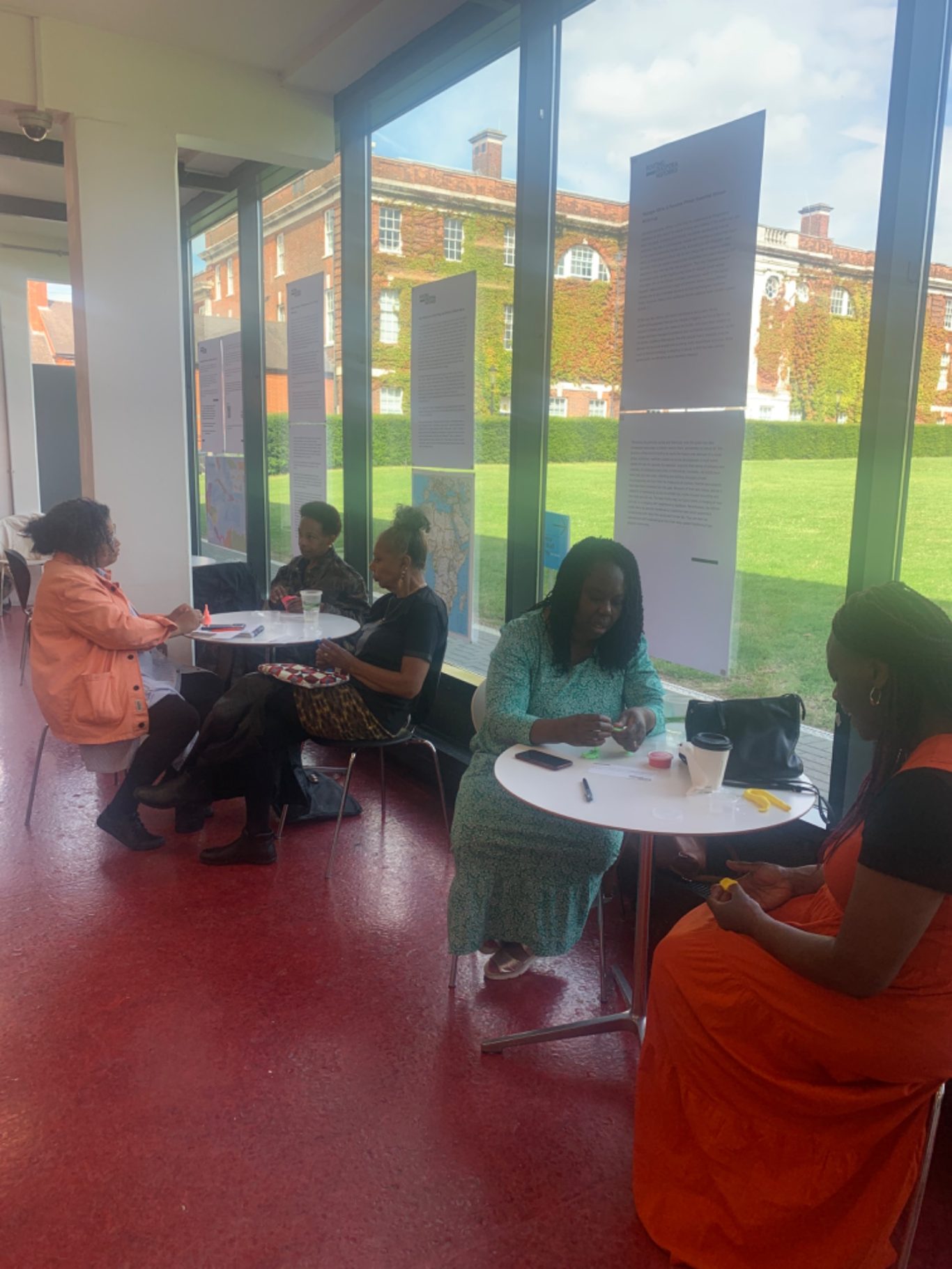
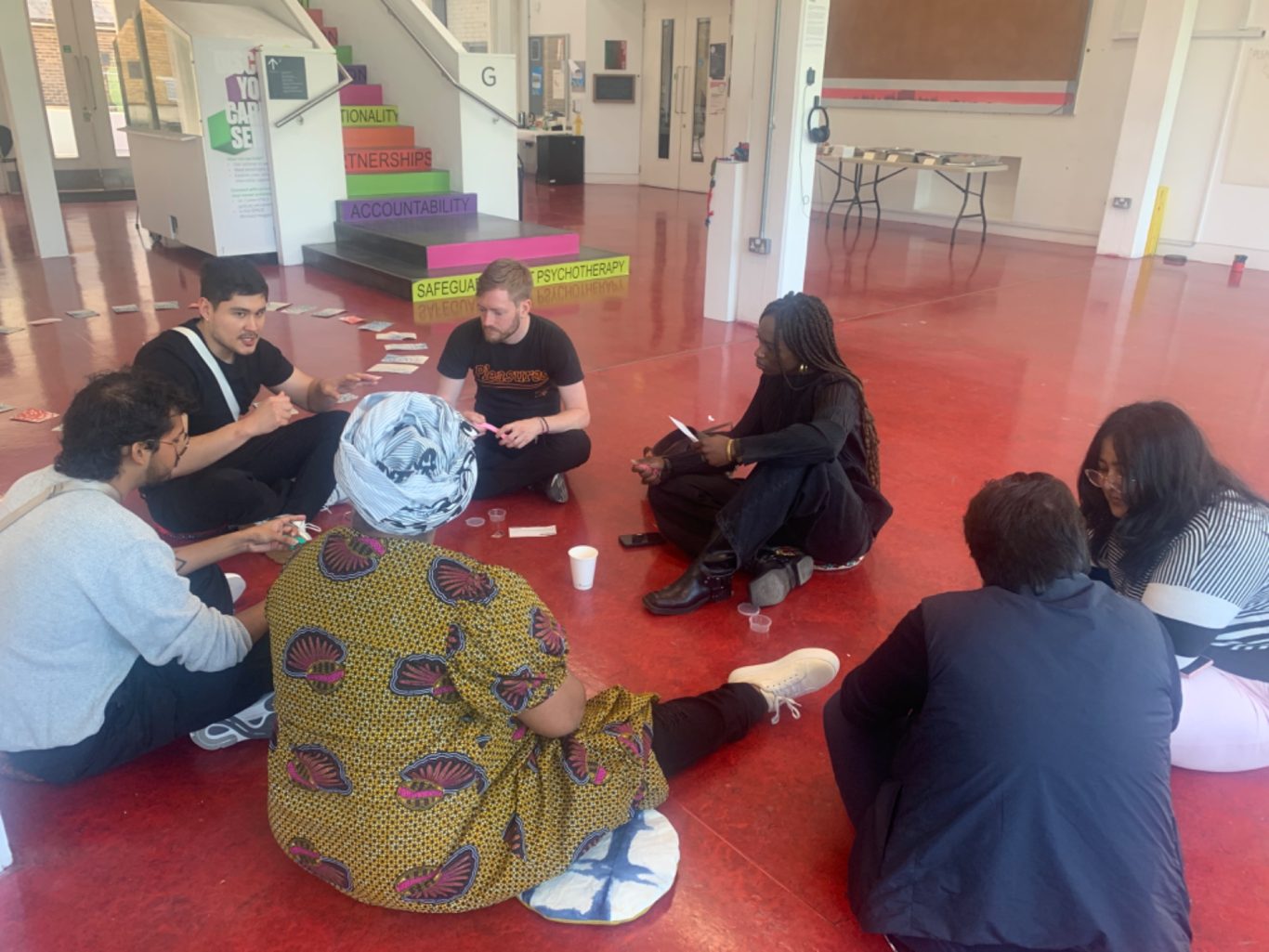
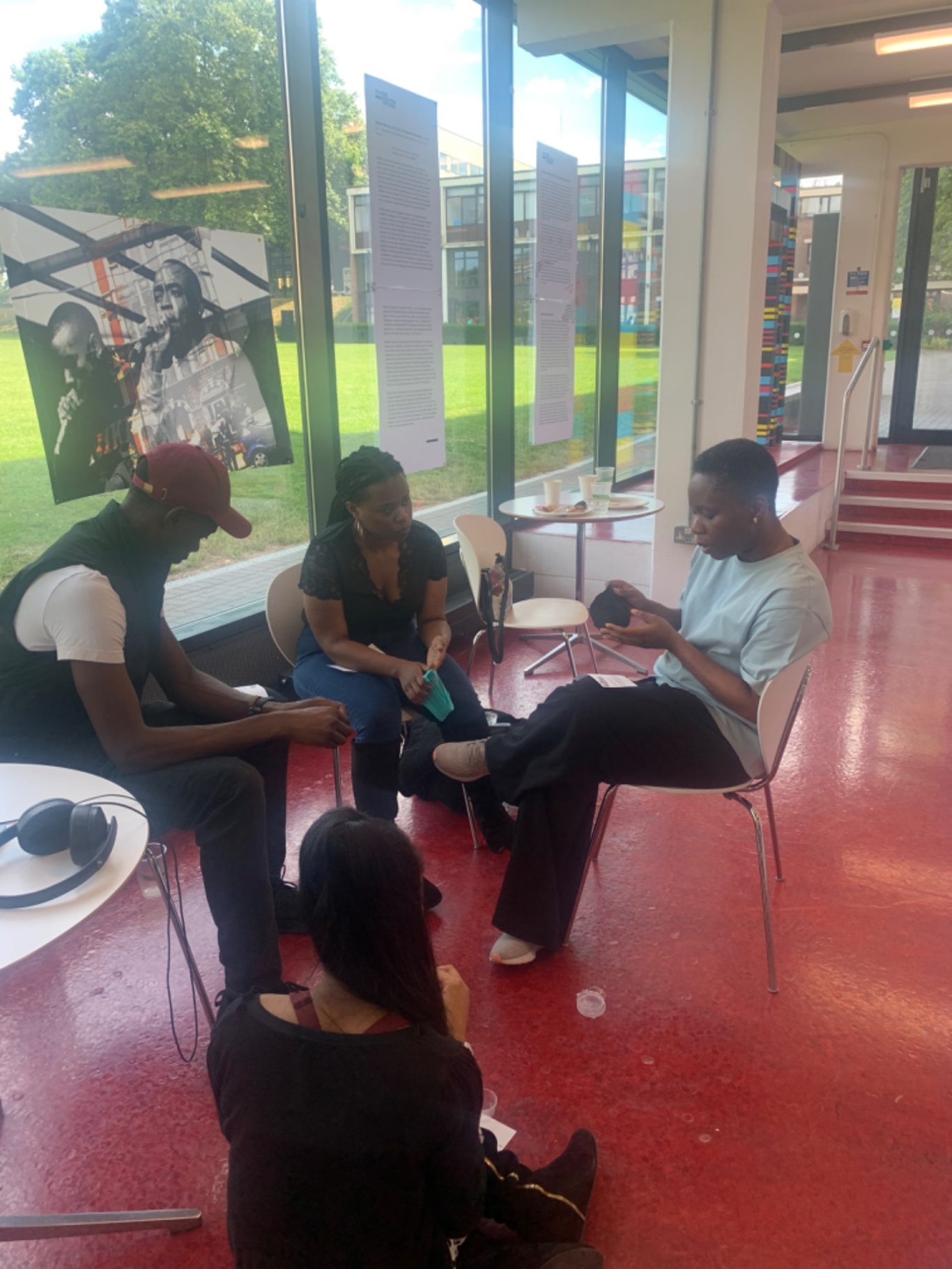
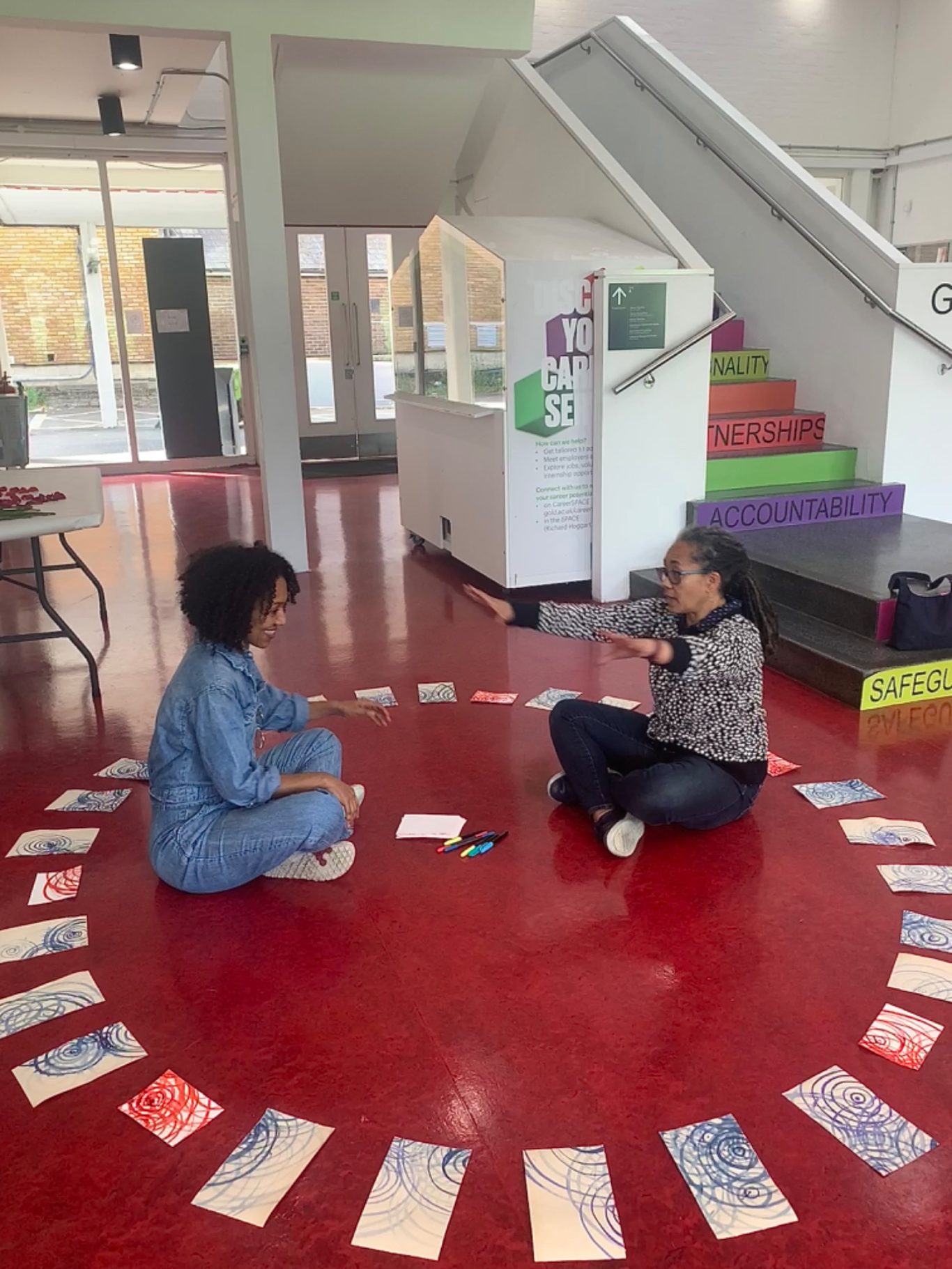
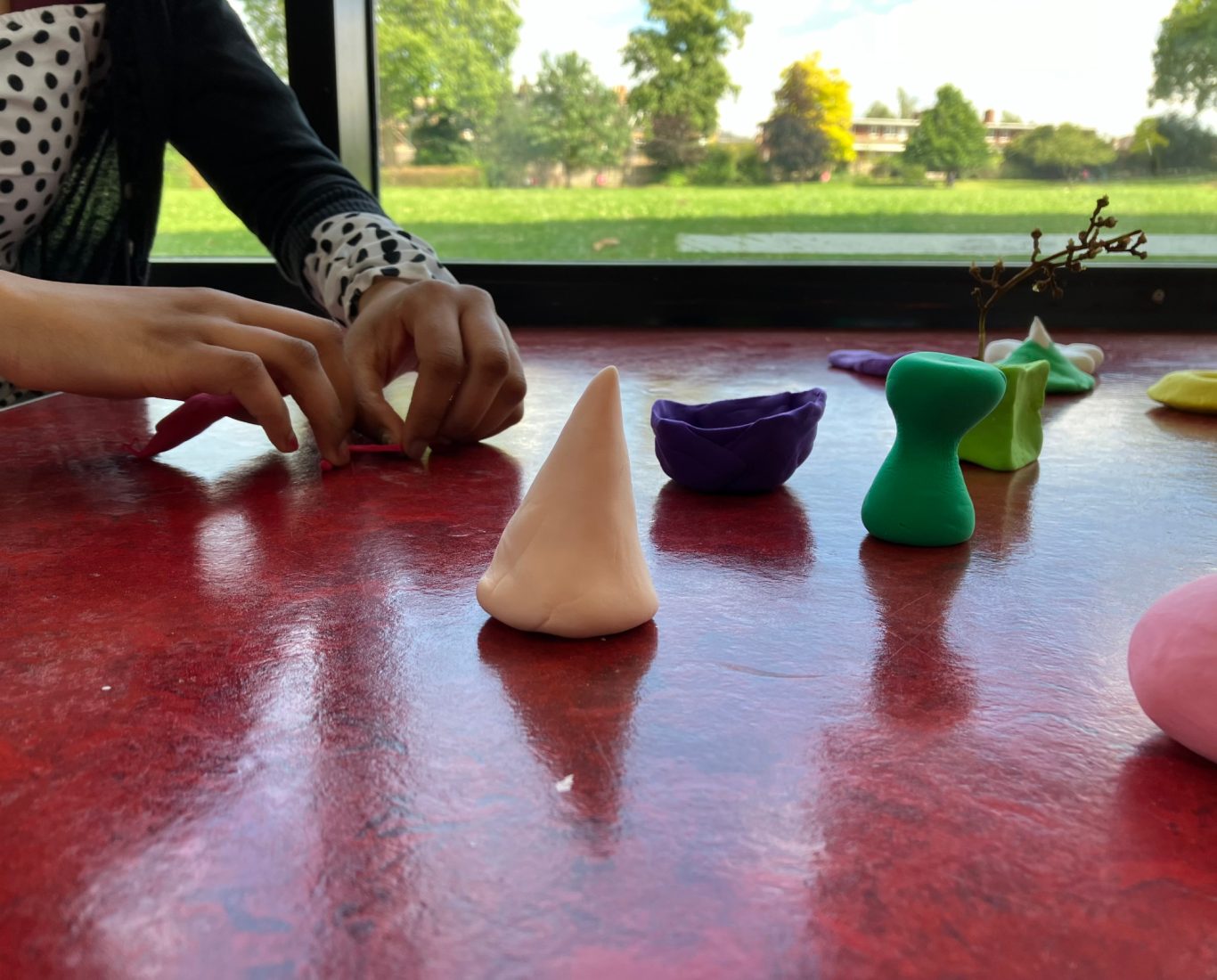
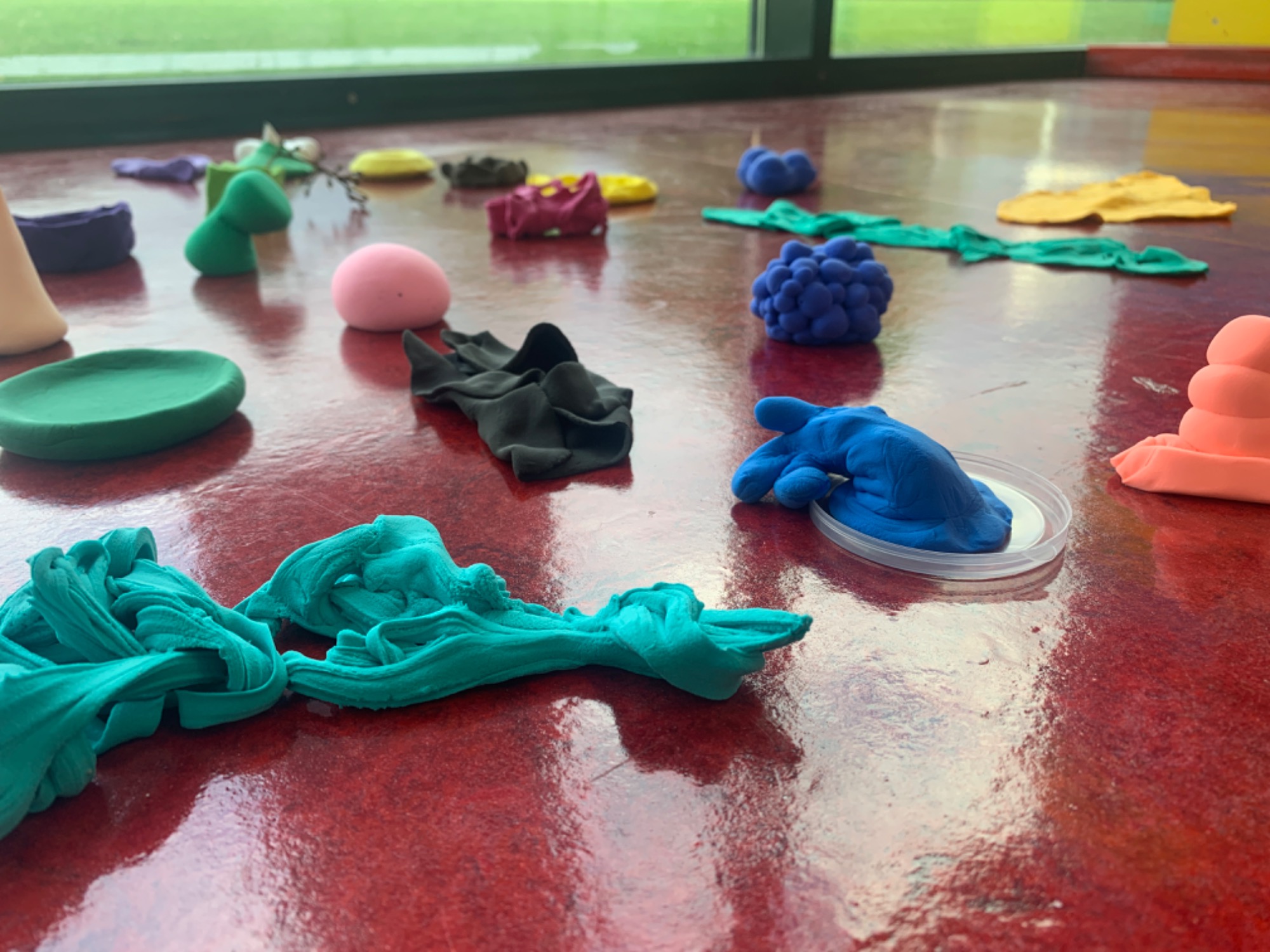
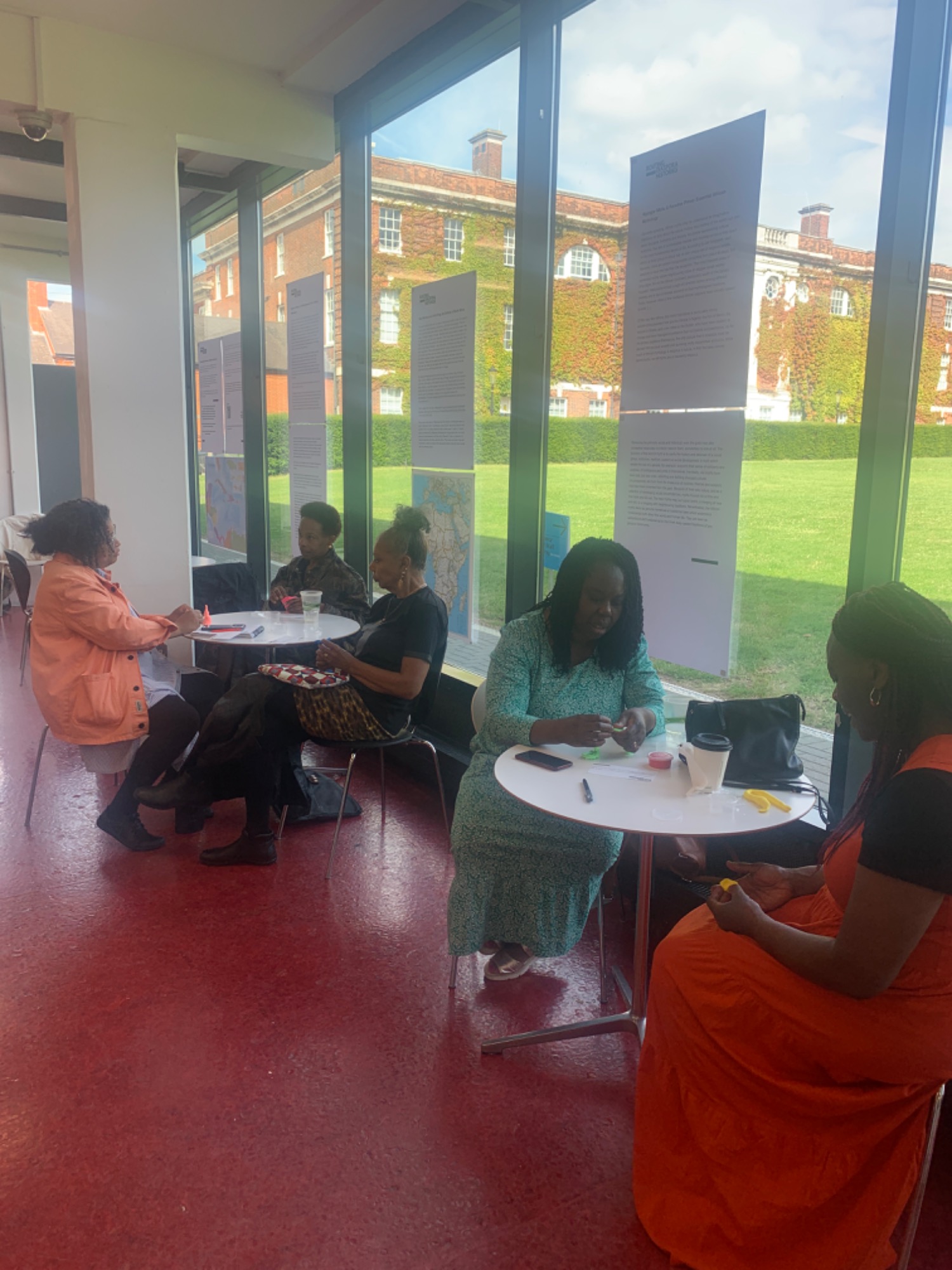
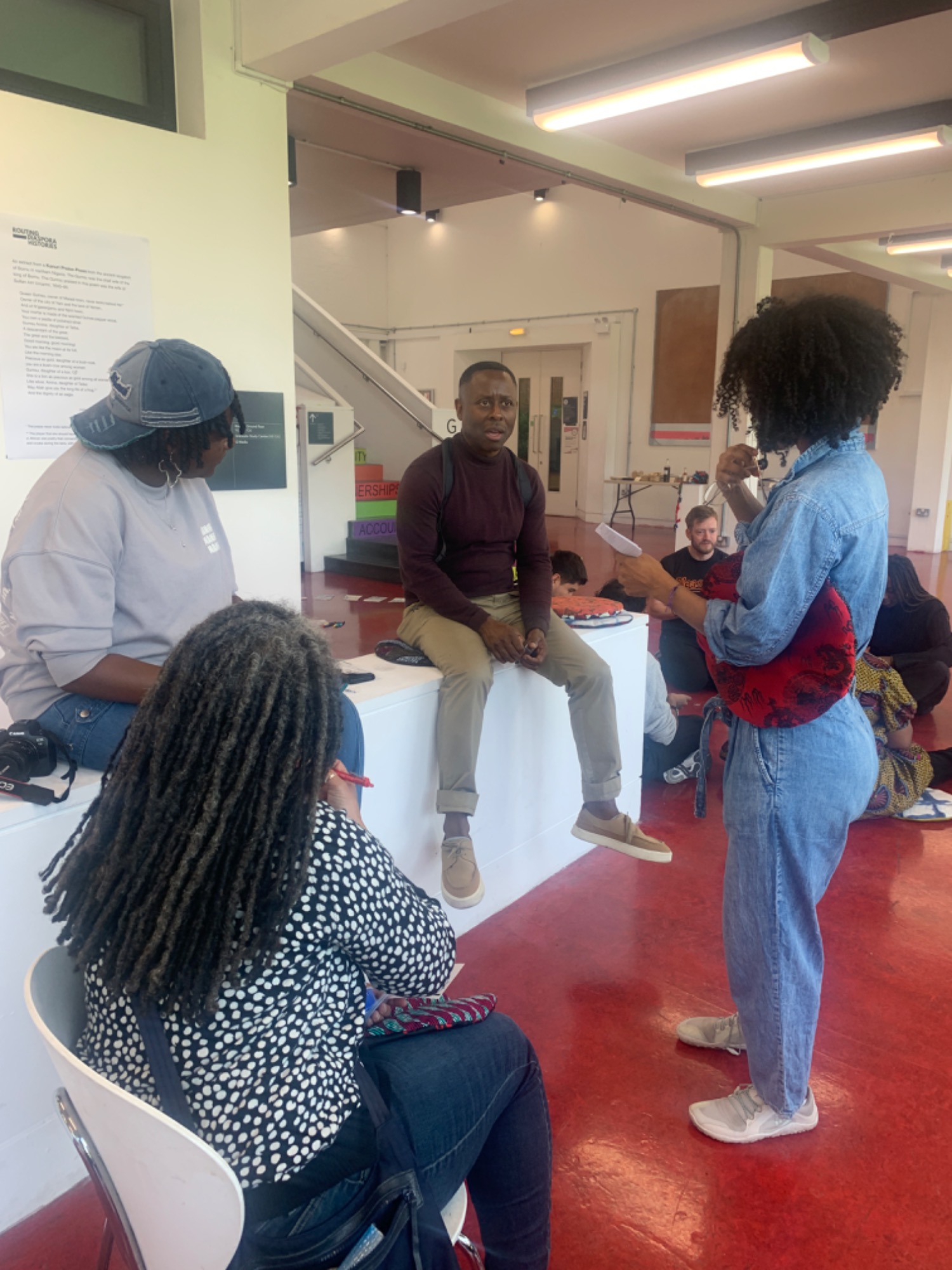
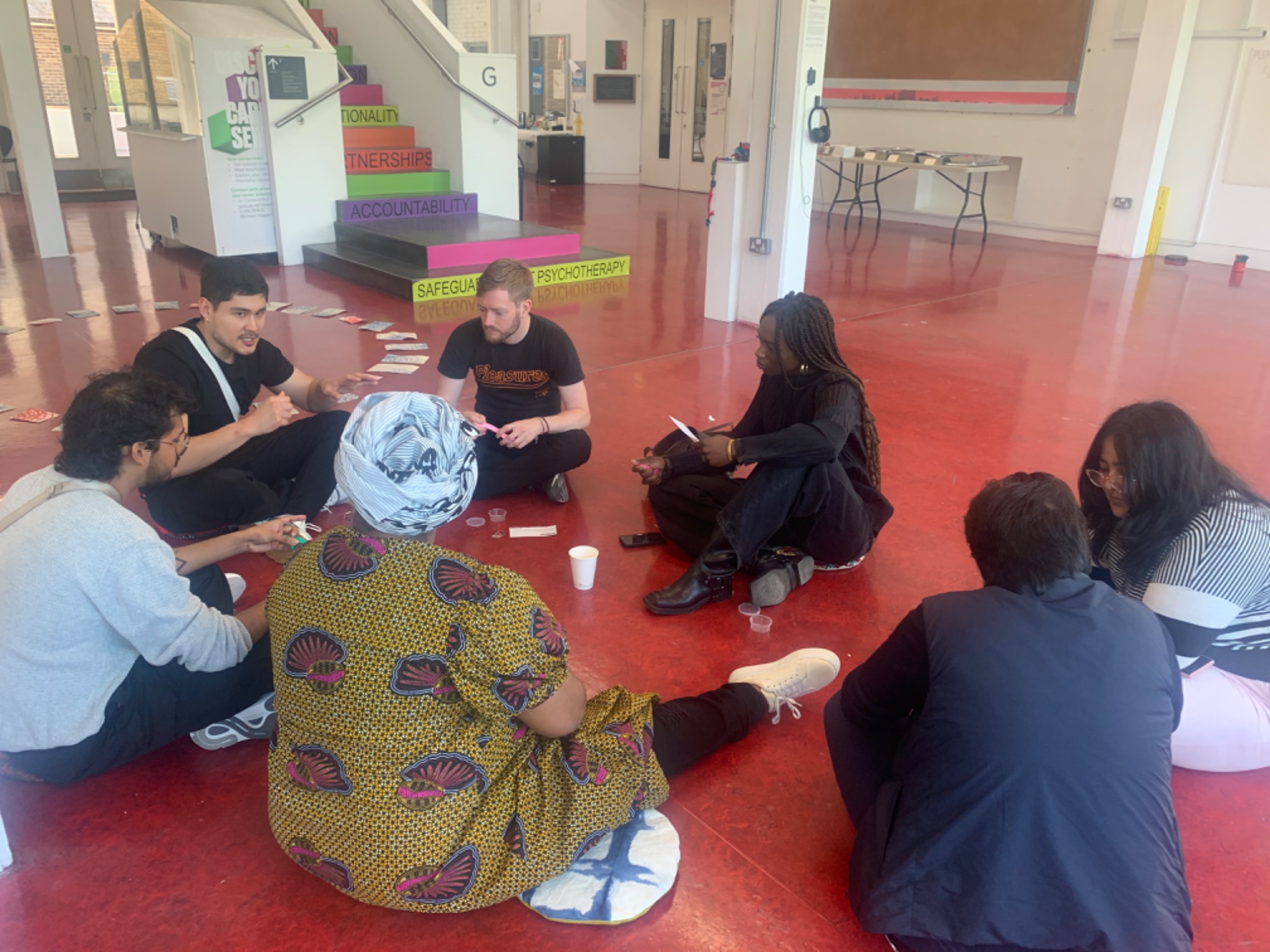
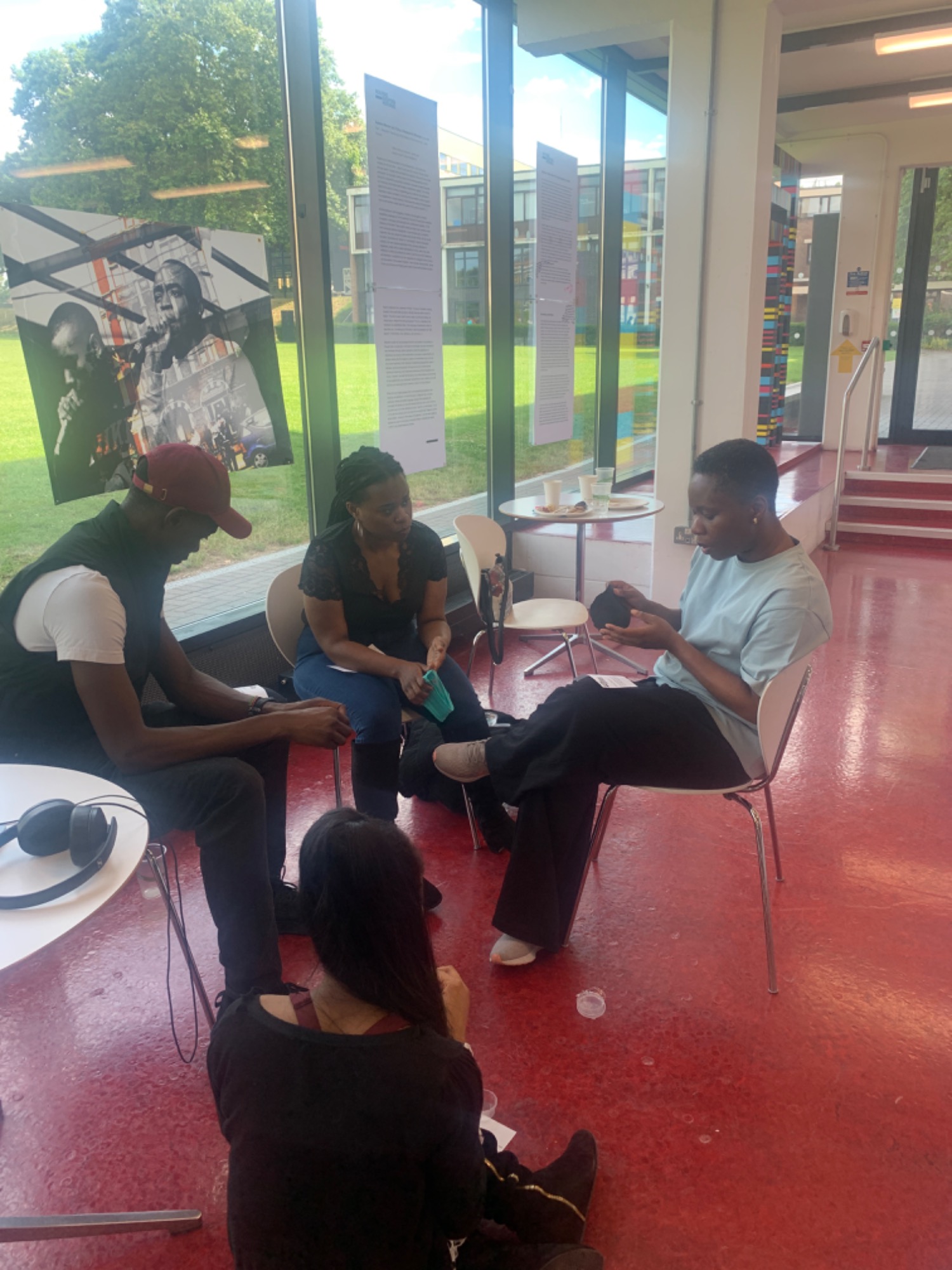
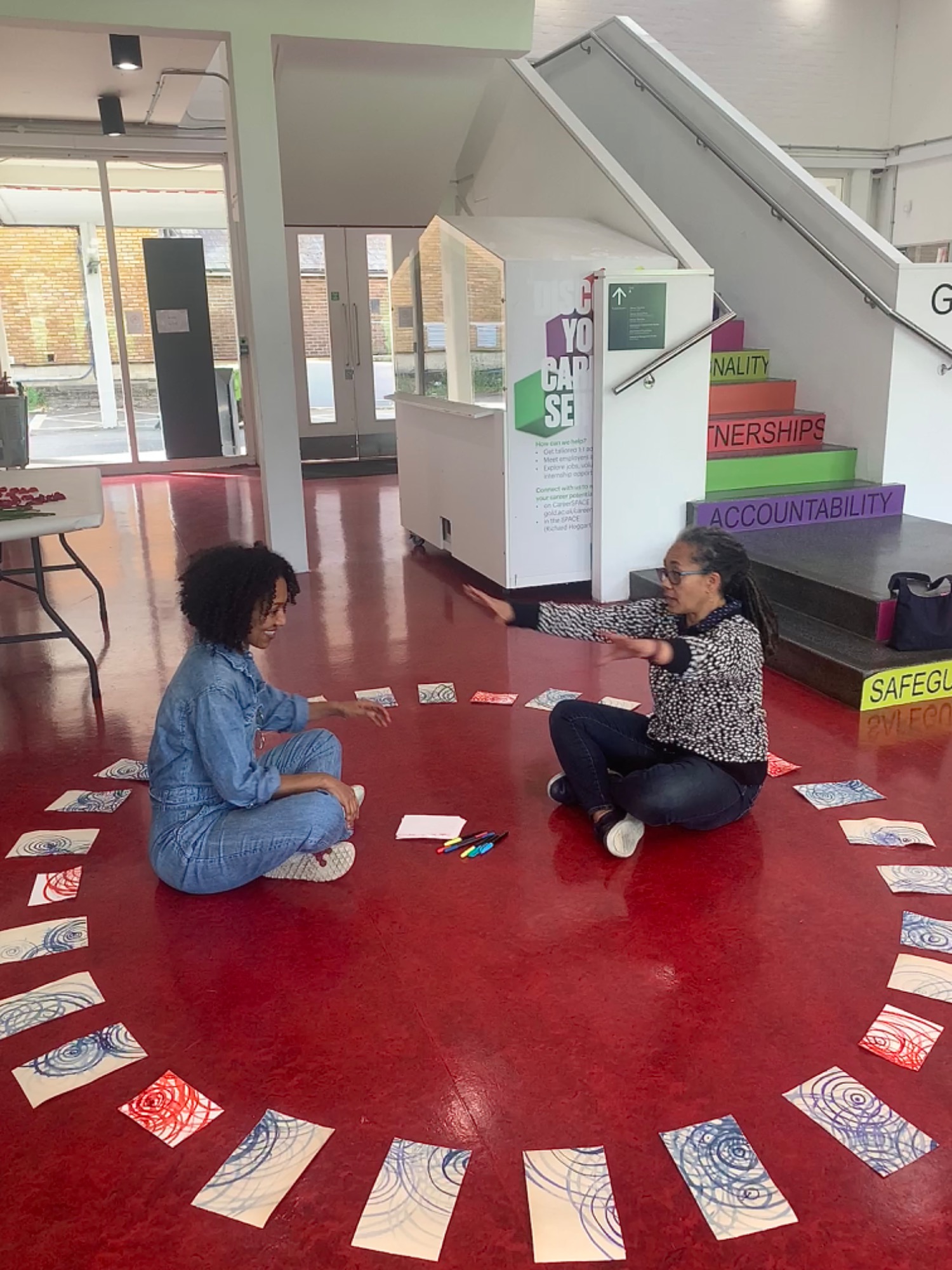
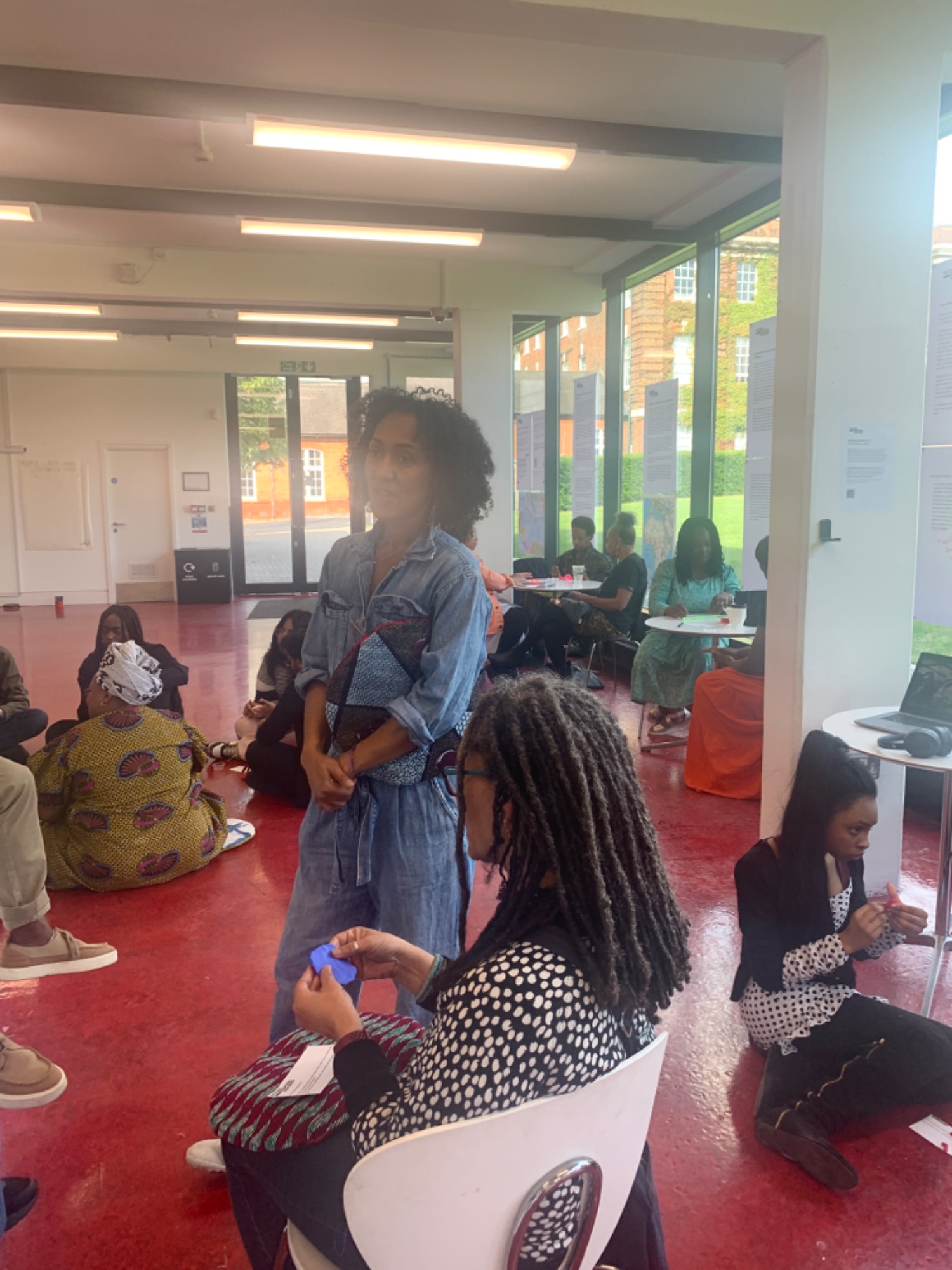
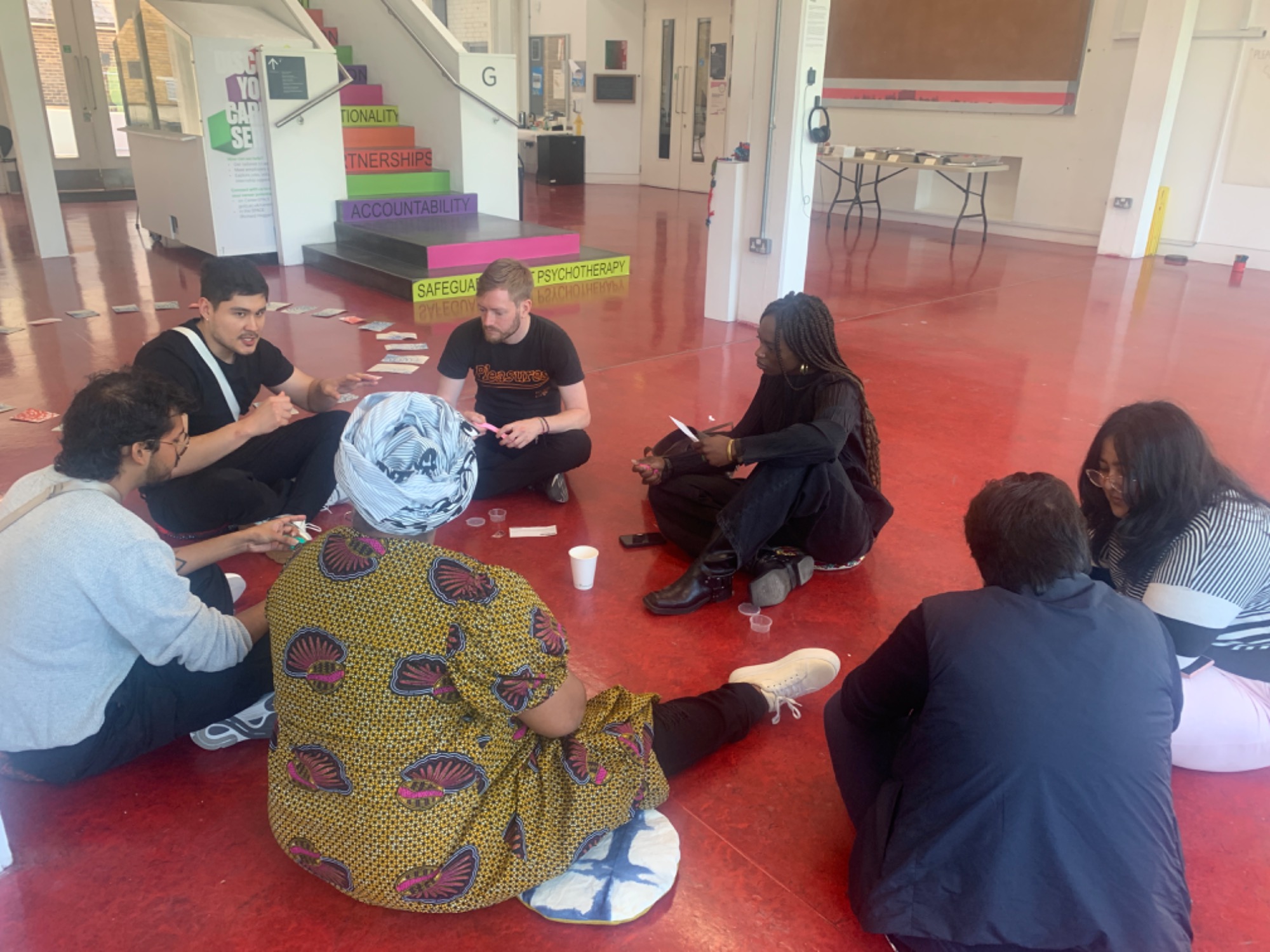
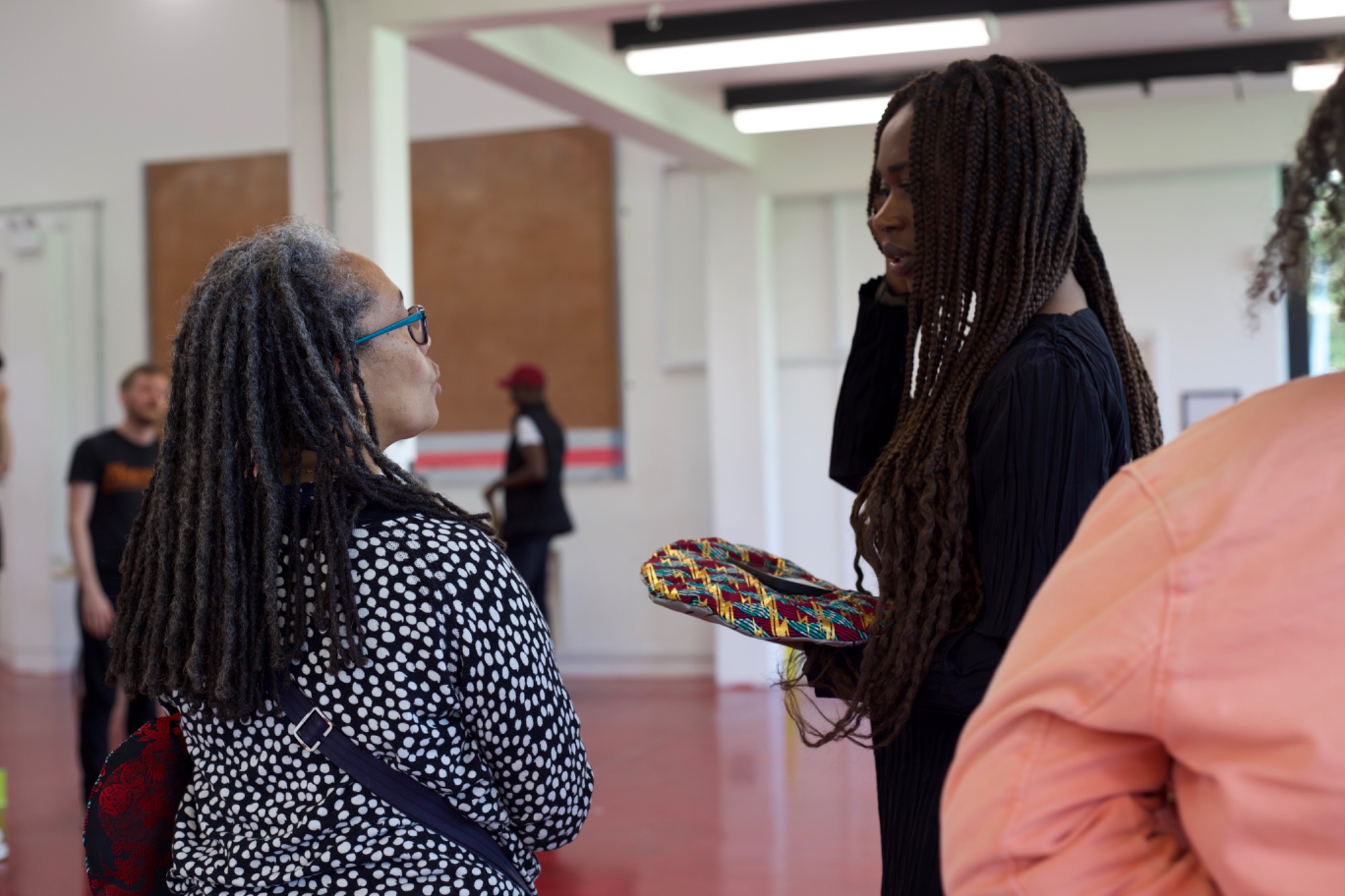
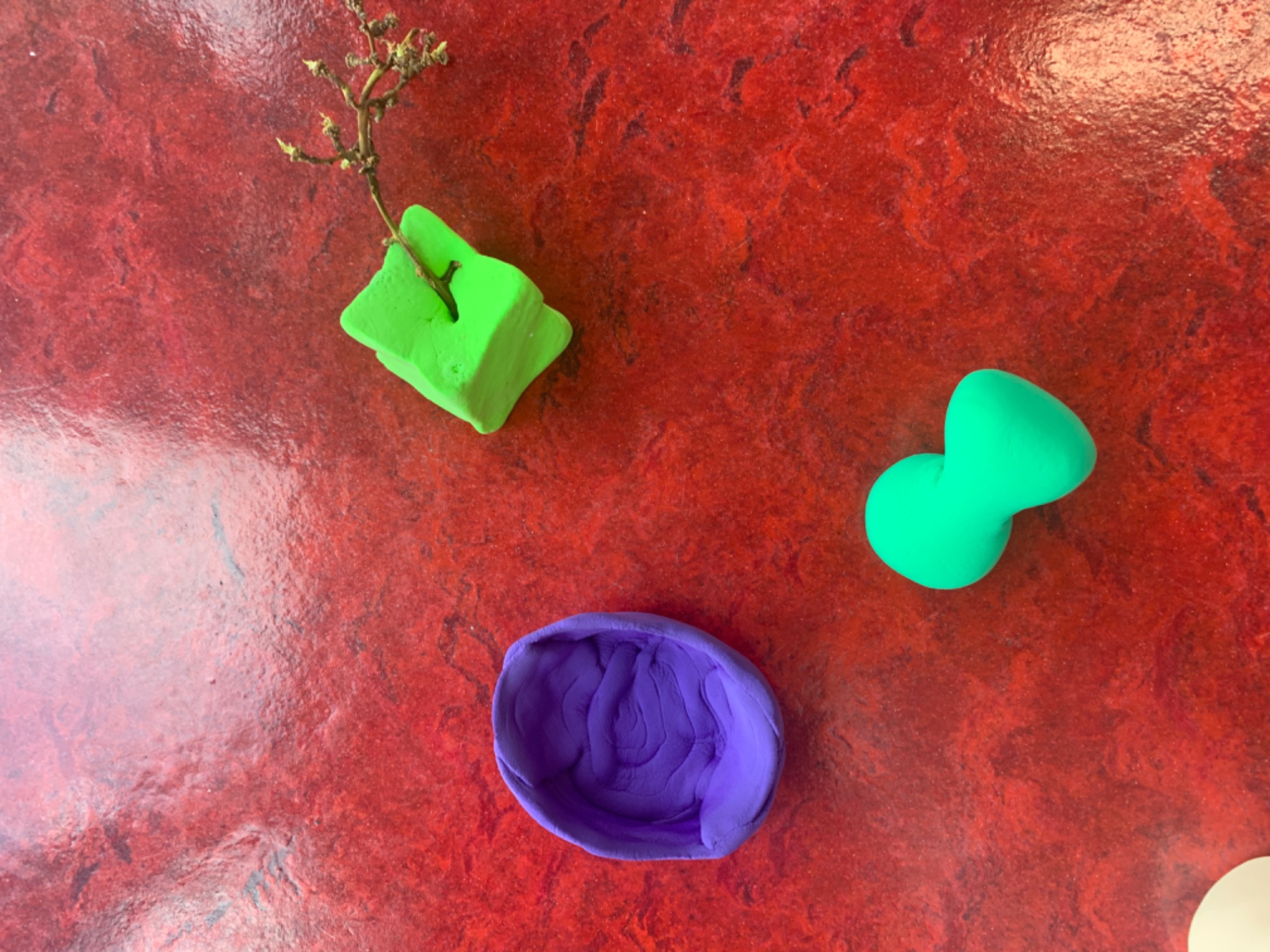
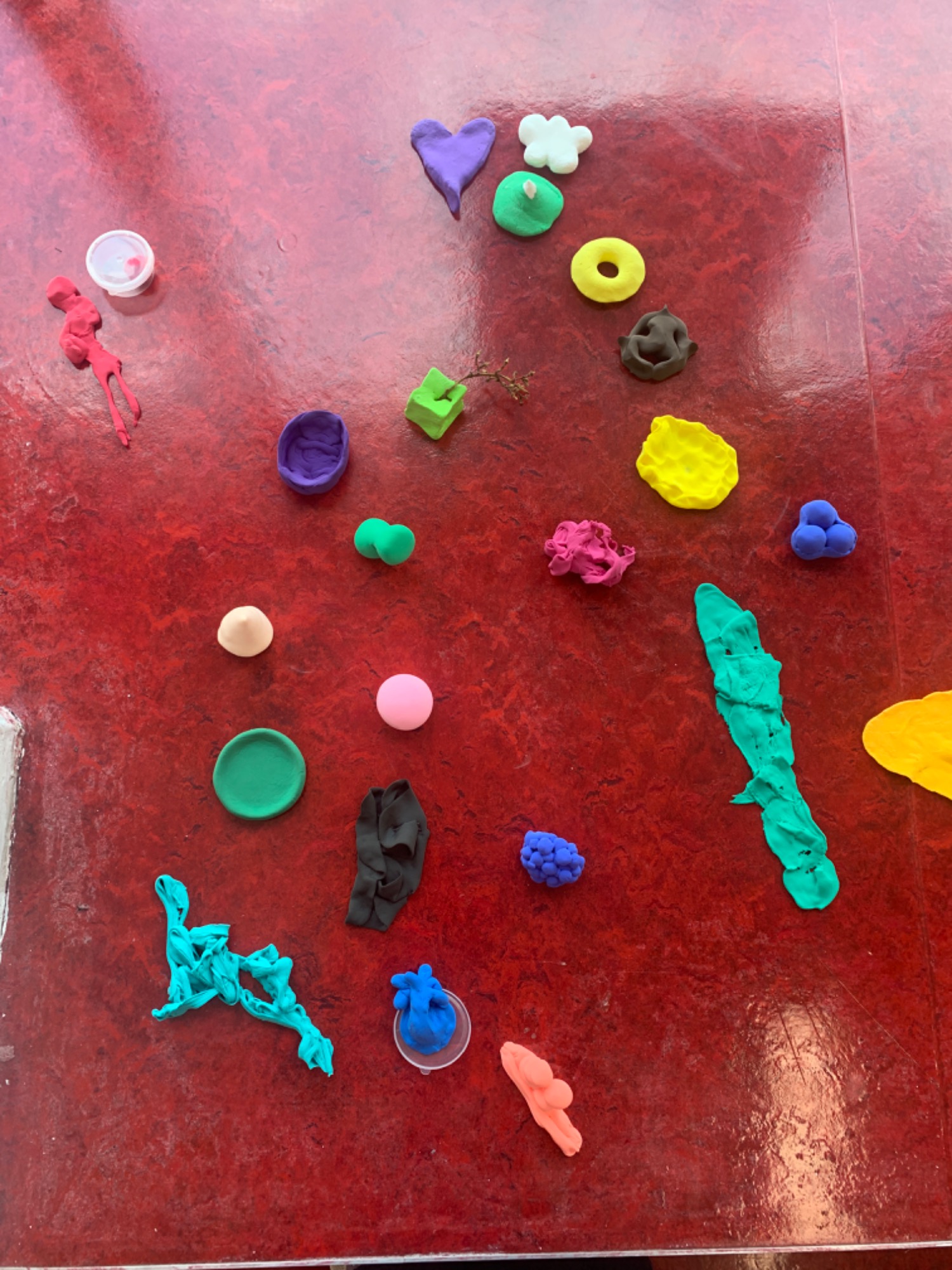
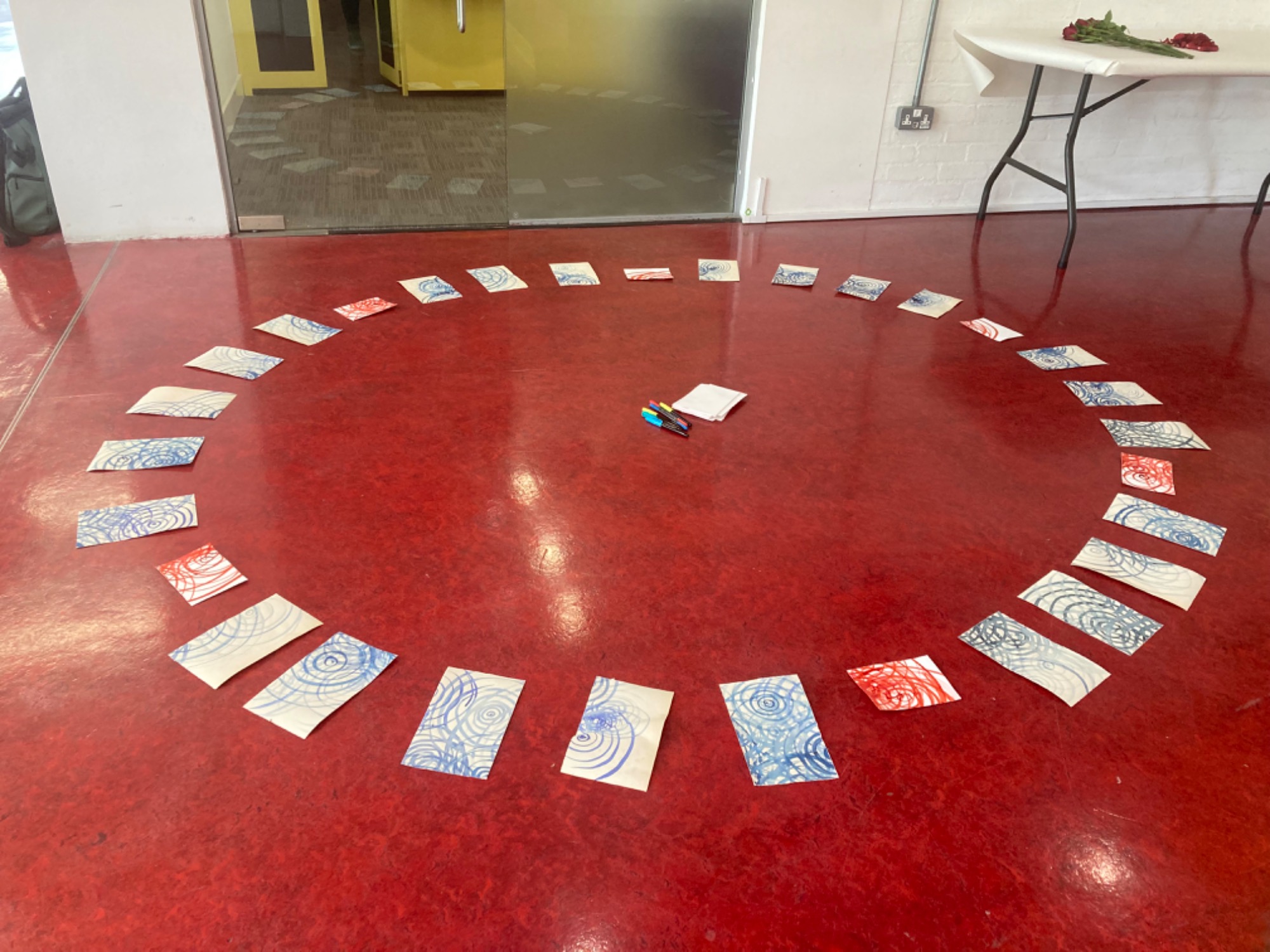
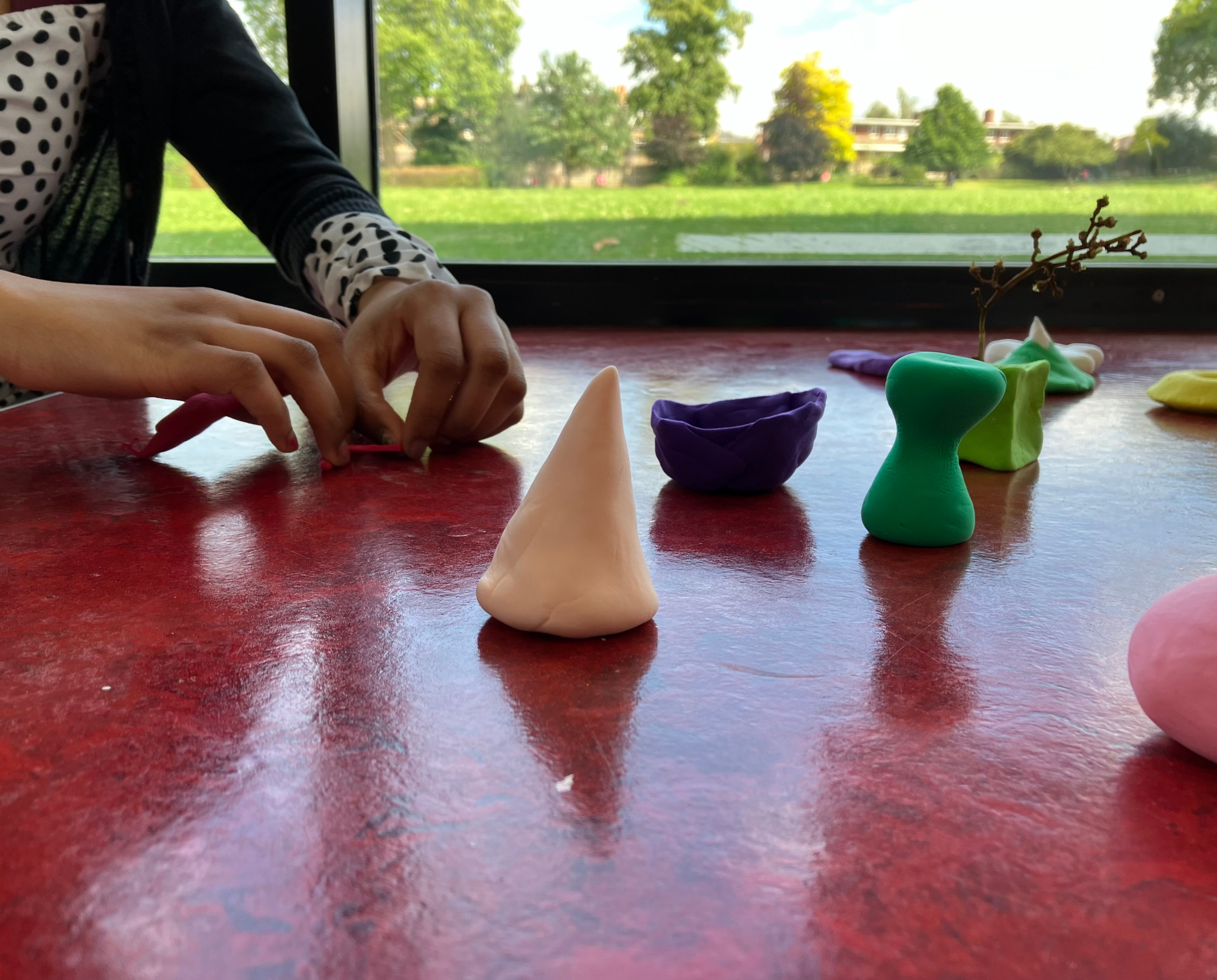
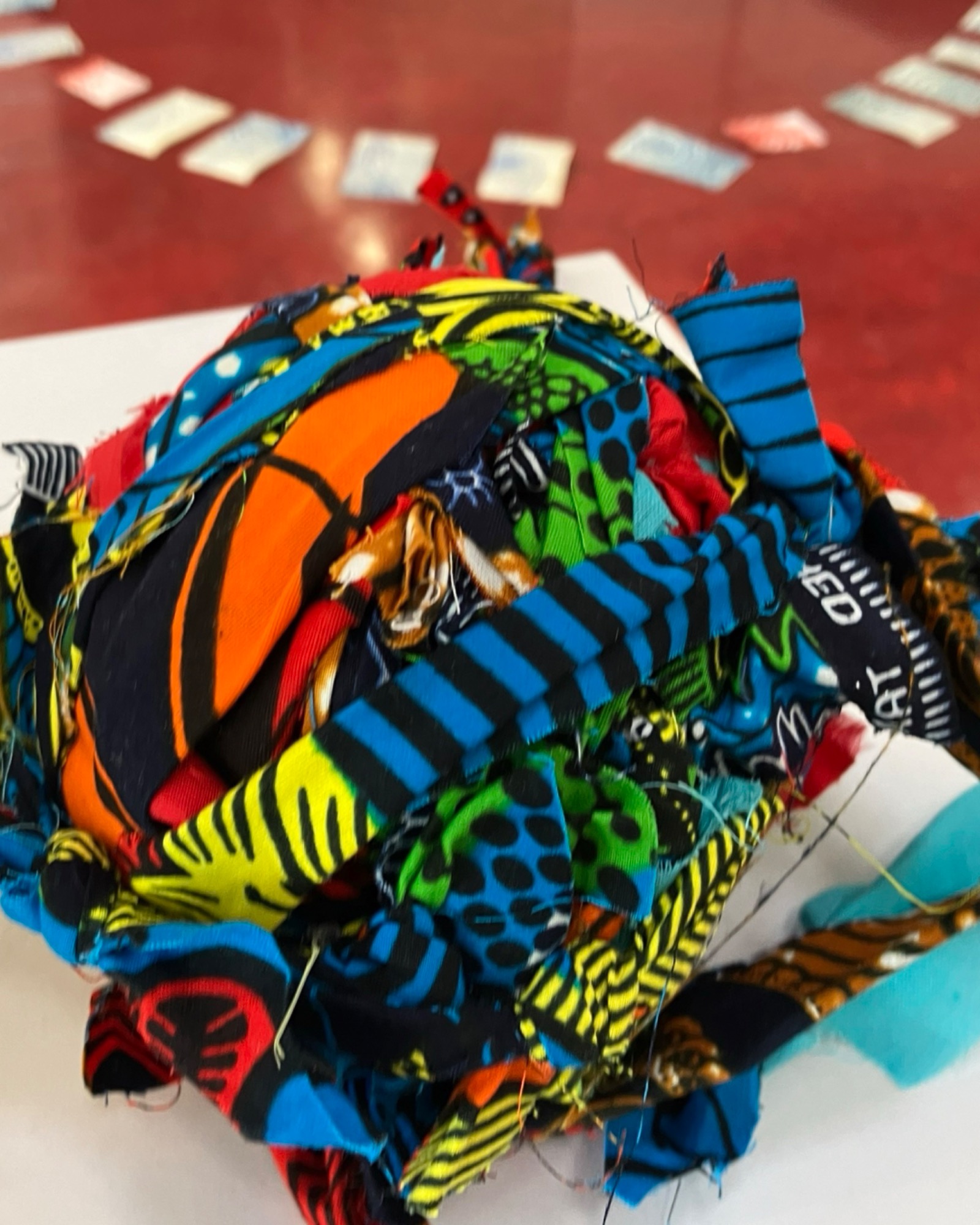
Researching, sharing, talking, making
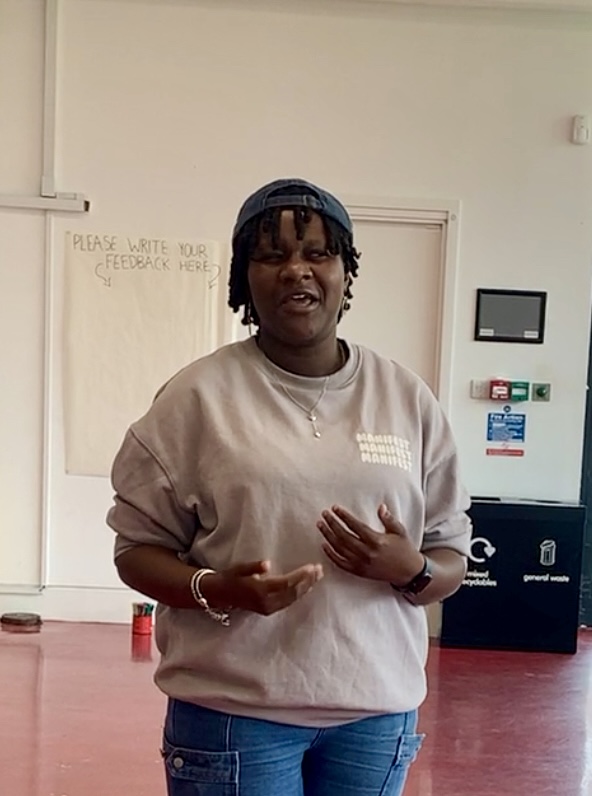
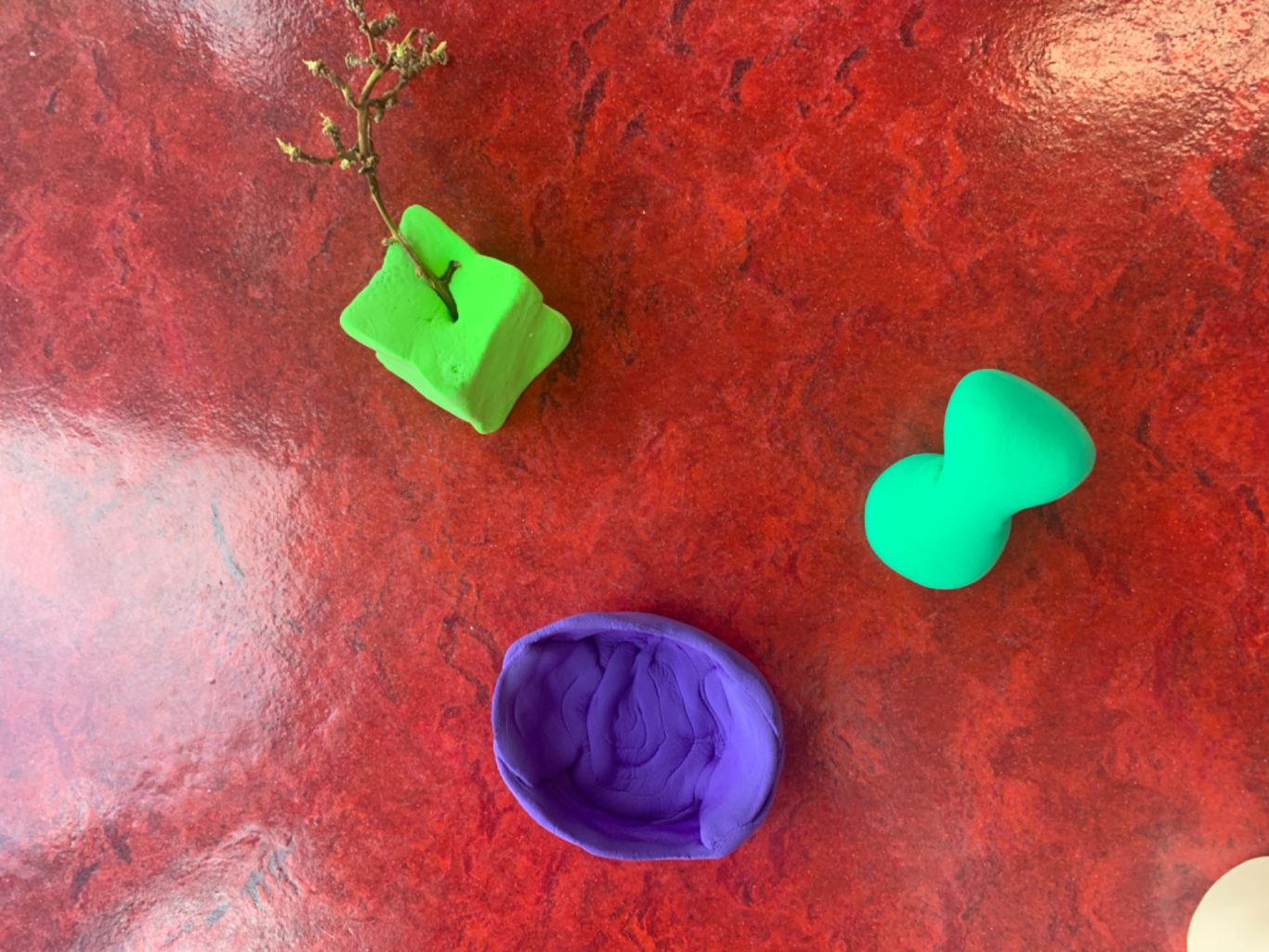
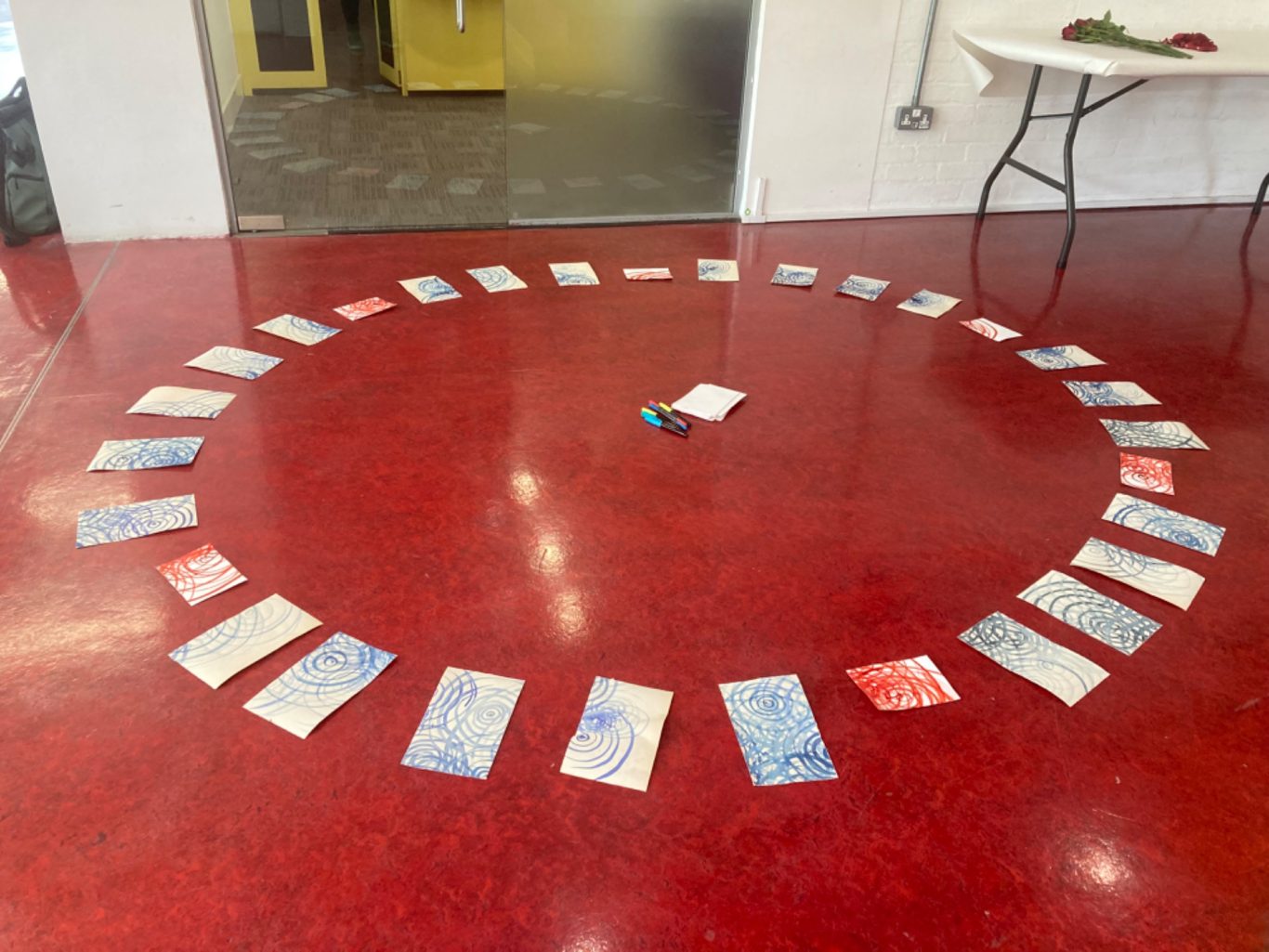
During the project, participants workshopped their way through historical materials, responding creatively and personally to what they found, guided by questions:
- What do pre-colonial African histories — stories of everyday life, ritual and societal exchange — open up for how we understand Black identities today?
- What emerges when we respond to expanded histories in creative and personal ways?
- How do our own lives contribute to the making of history in the present moment?
The work led participants to unexpected, very personal, and sometimes profound places.
"Necessary space!" Project participant
"The project unearthed a yearning for a better future."
Mya Onwugbonu, collaborator and participant
Exhibition and Symposium
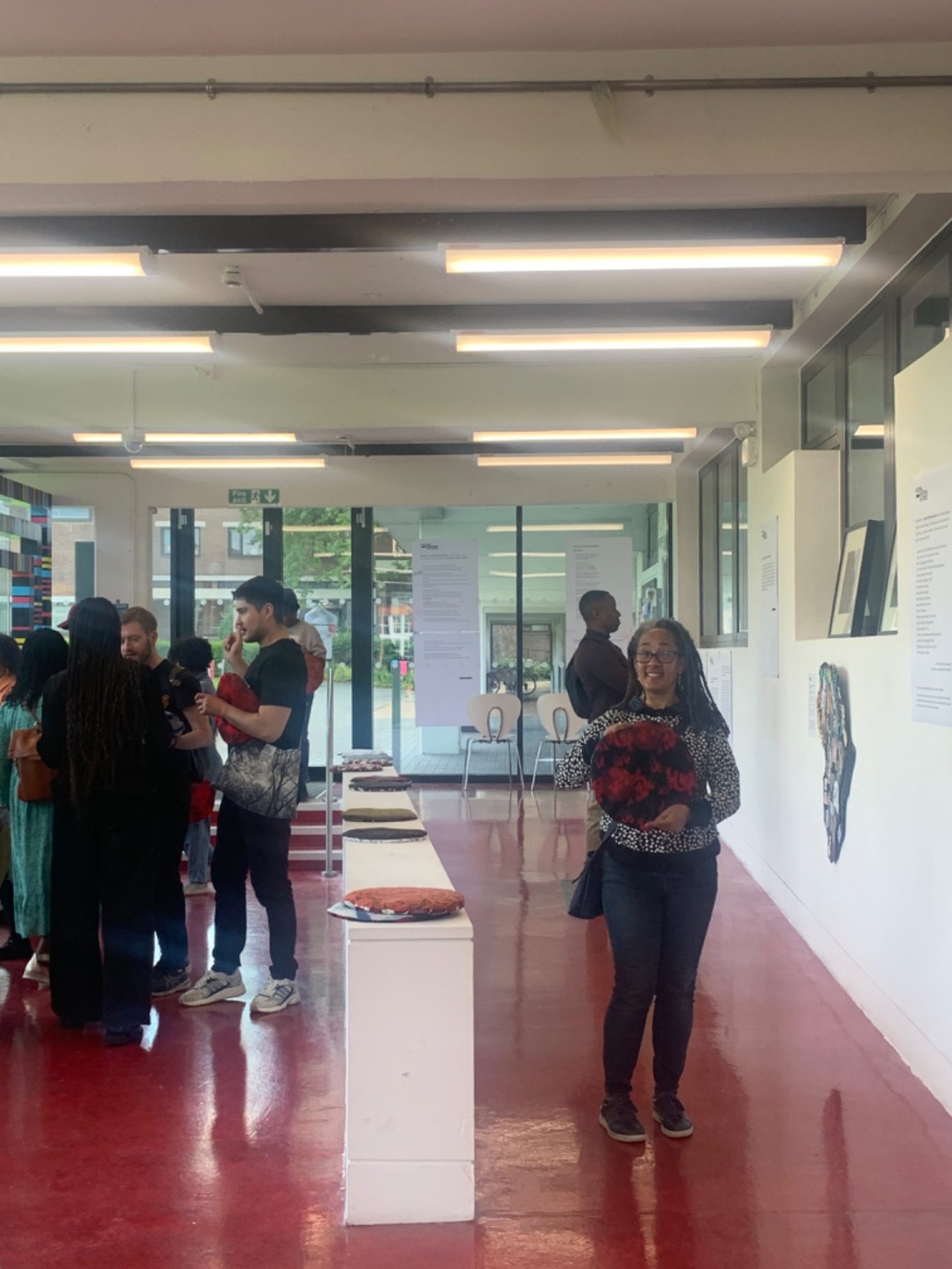
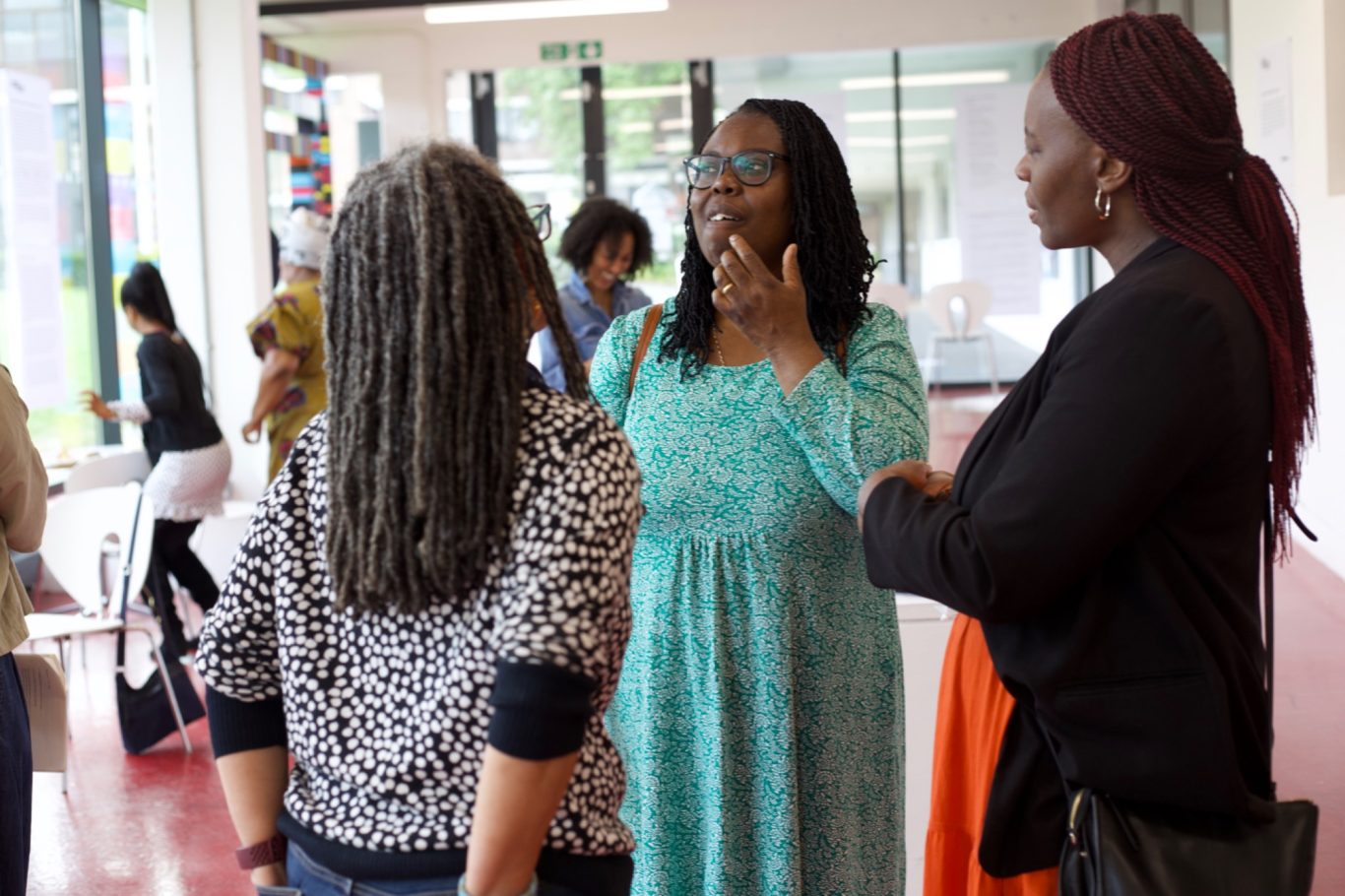
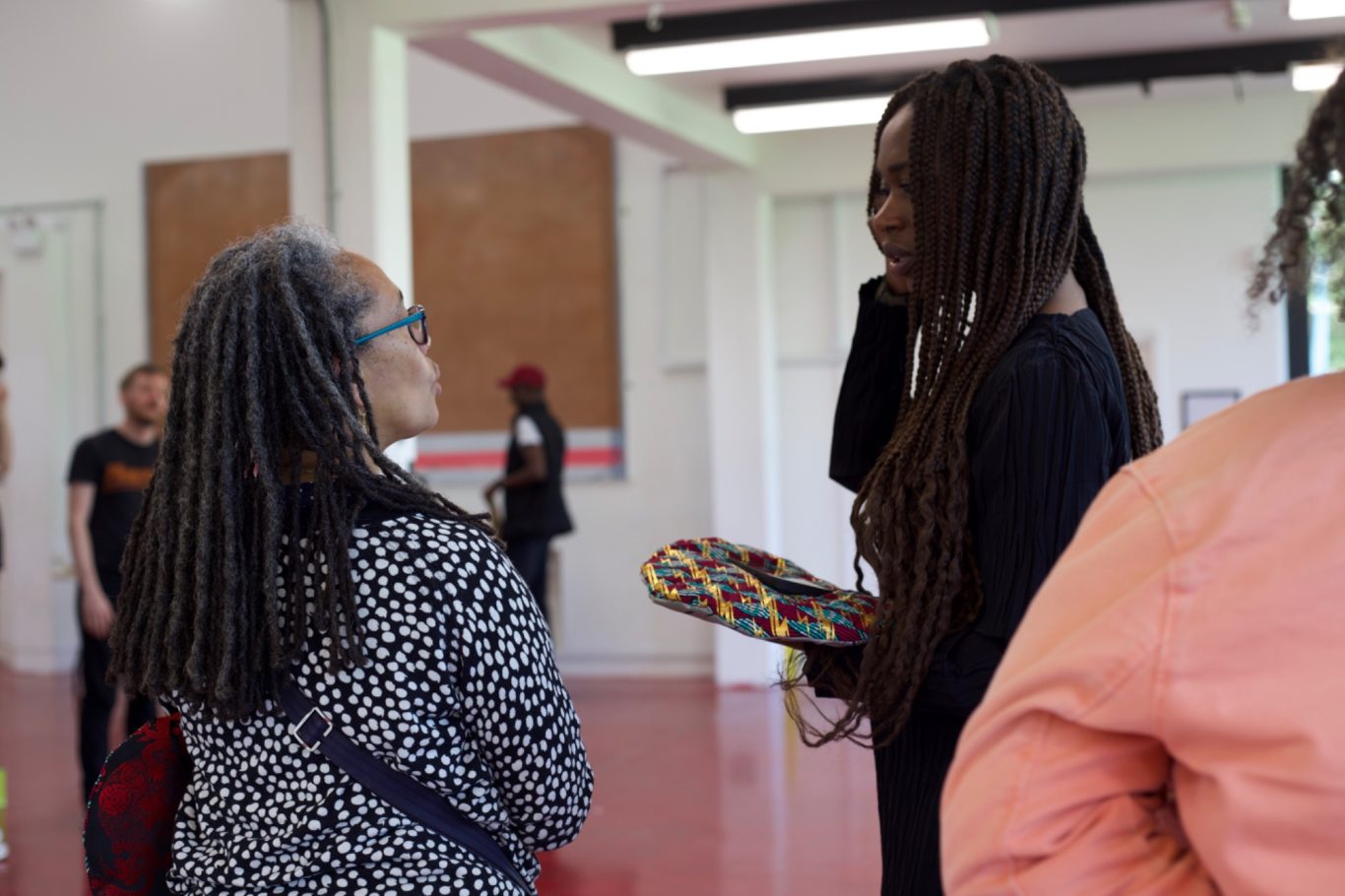
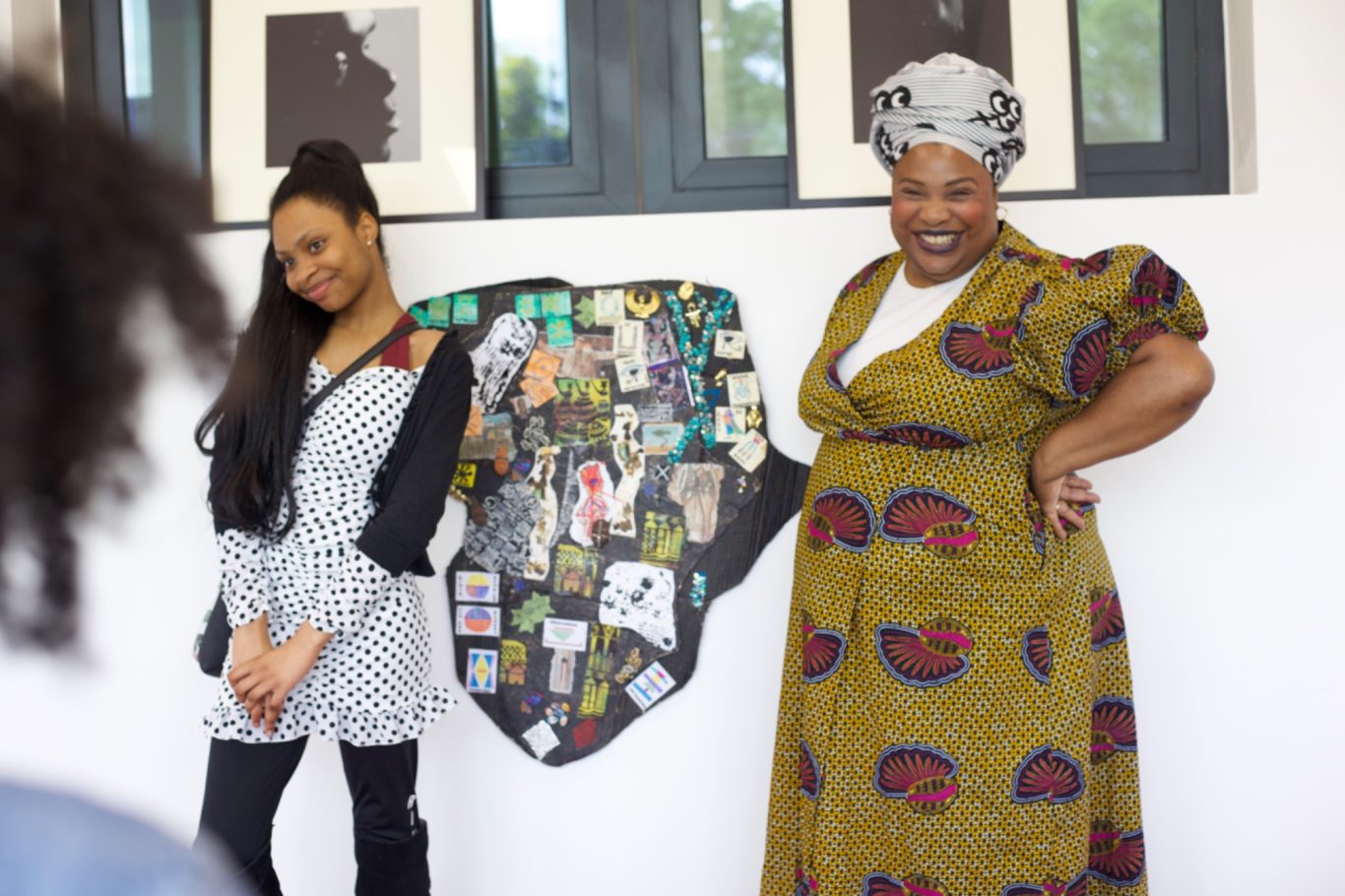
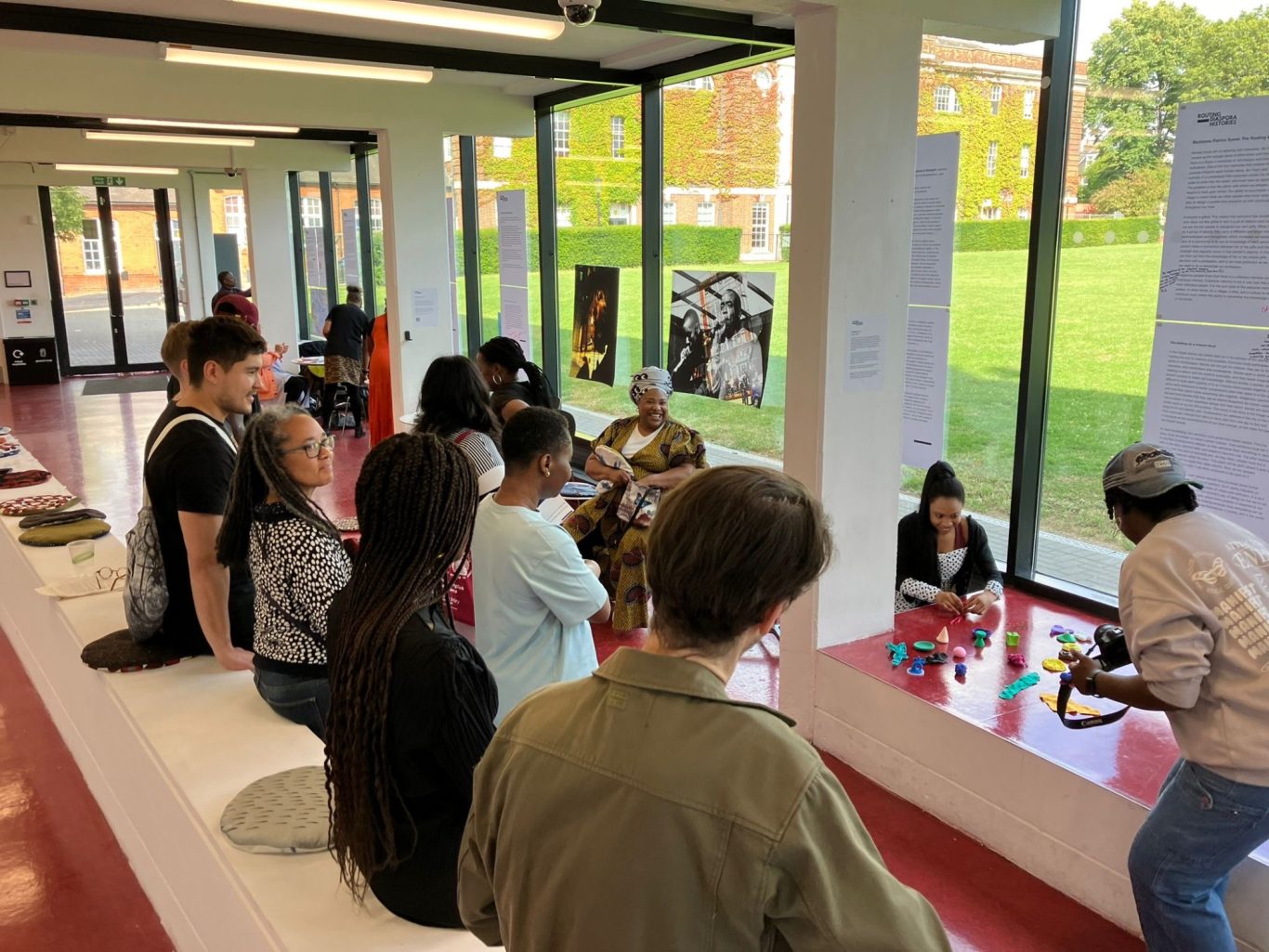
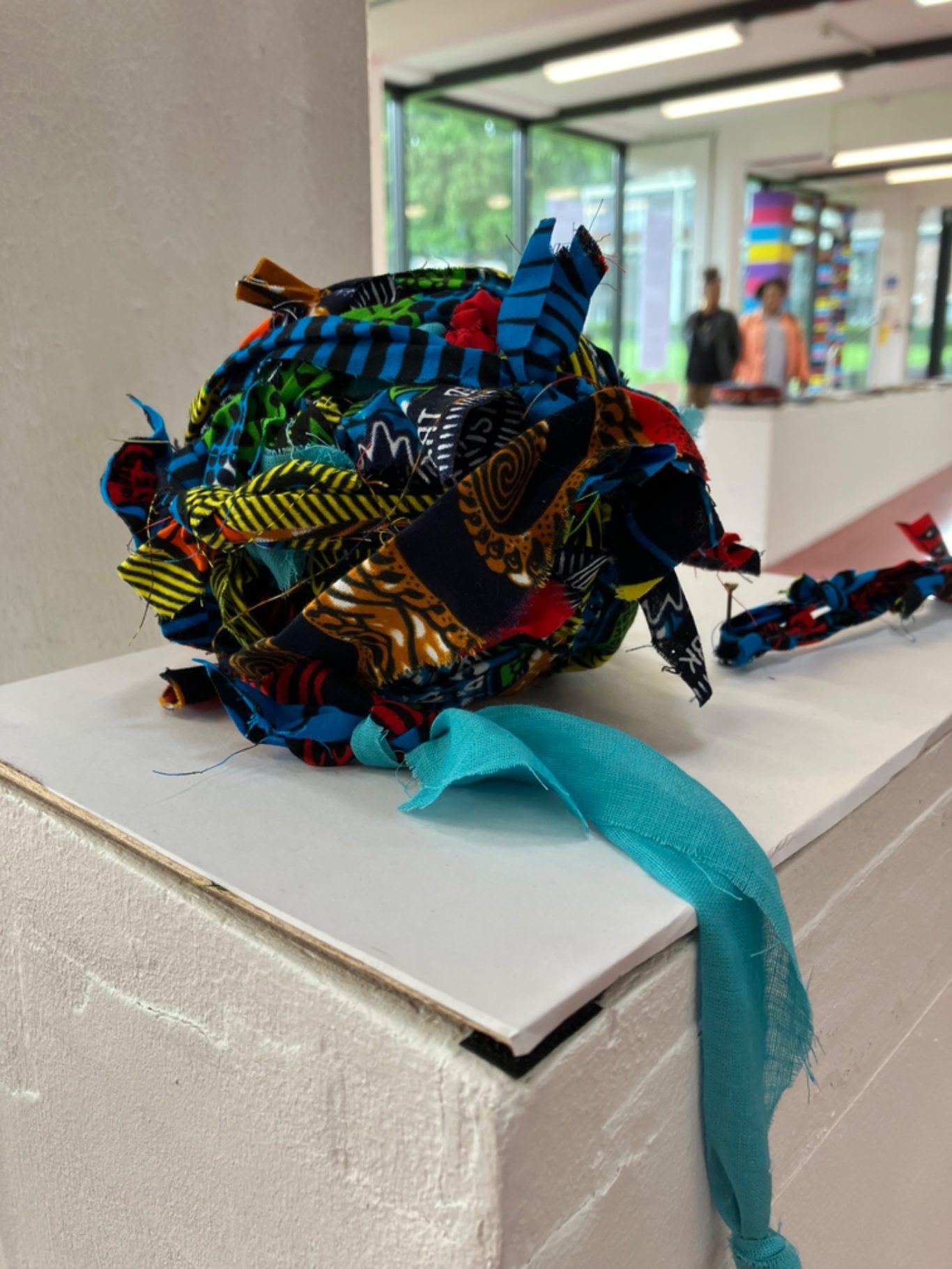
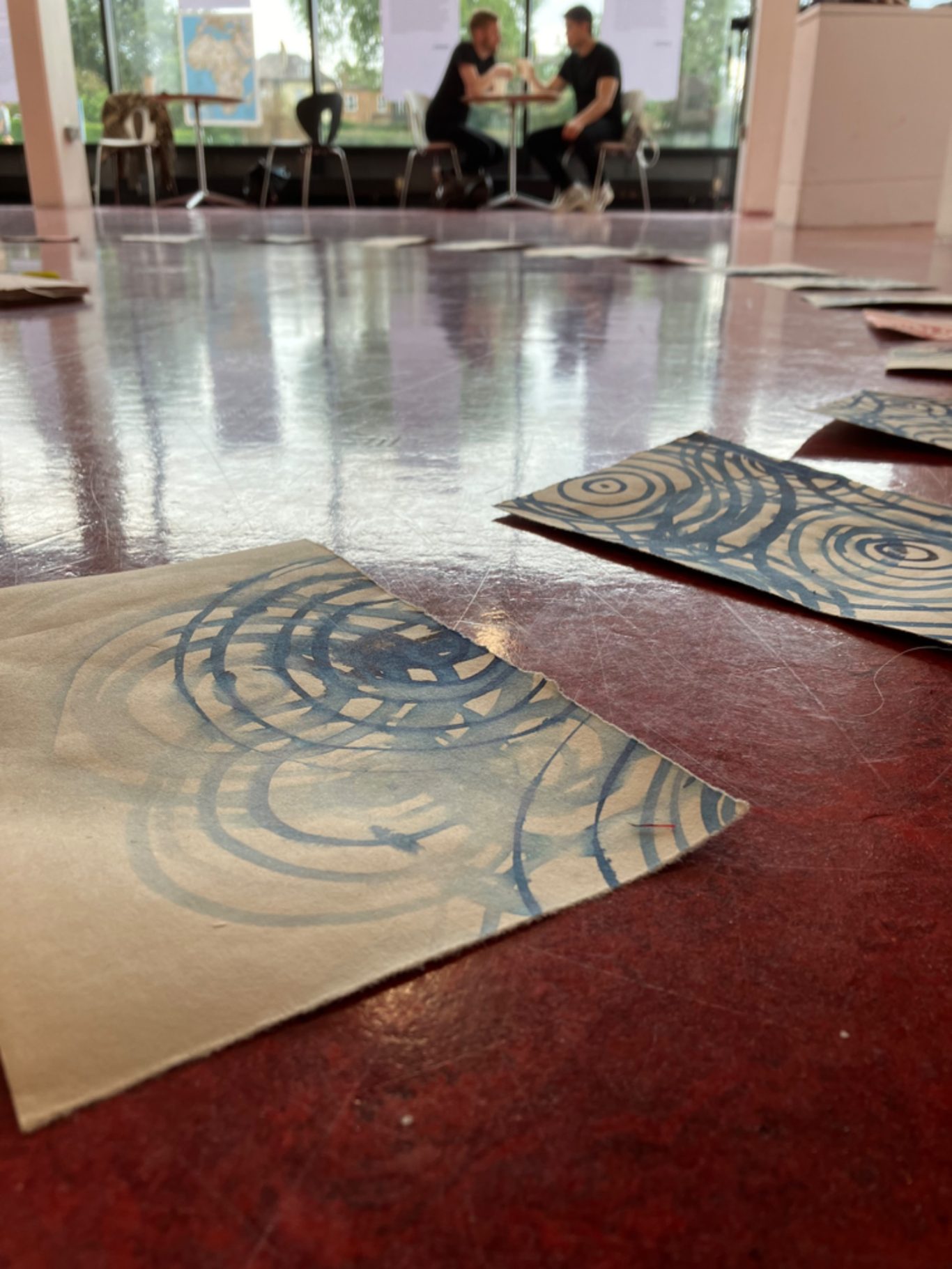
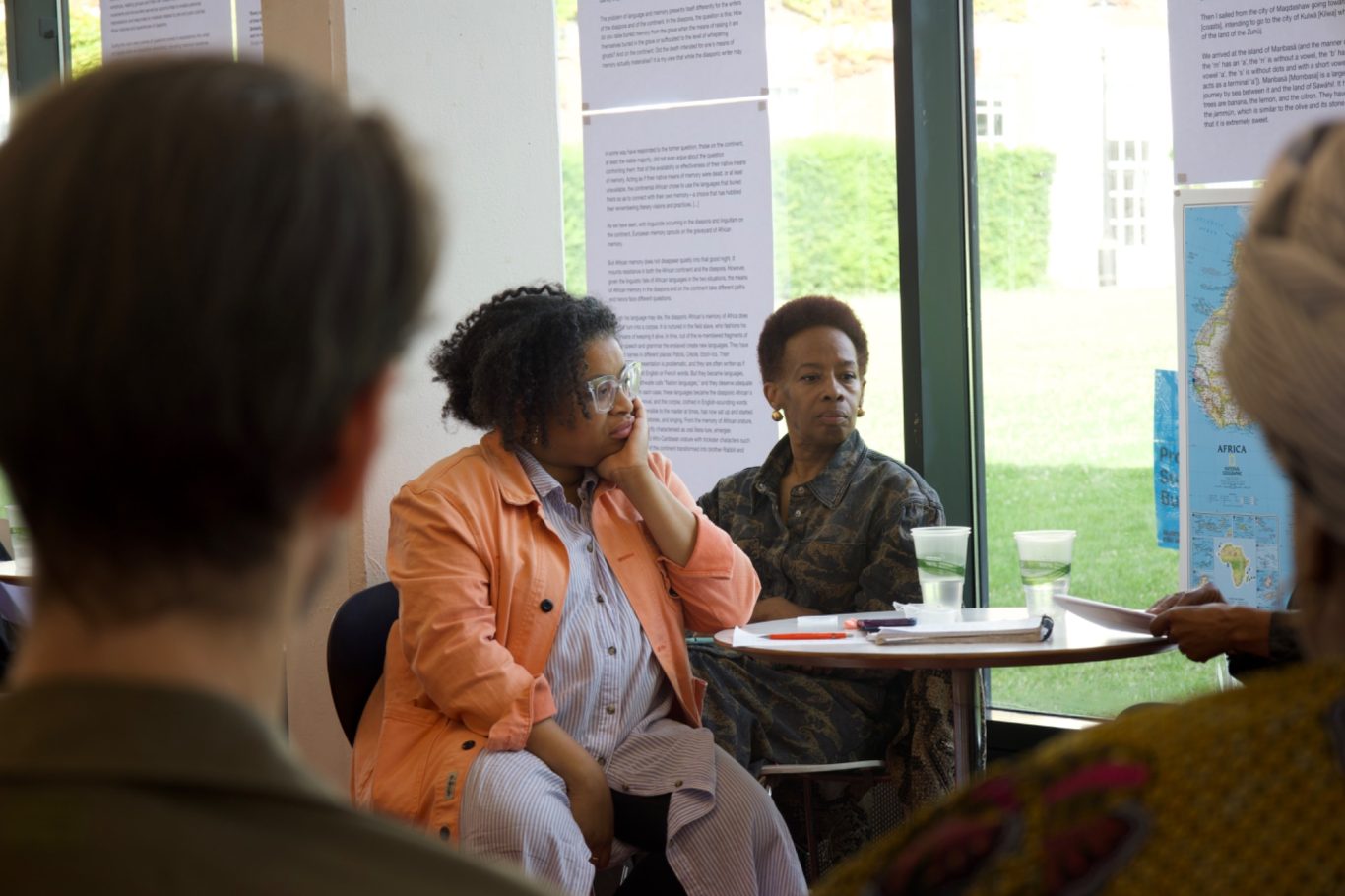
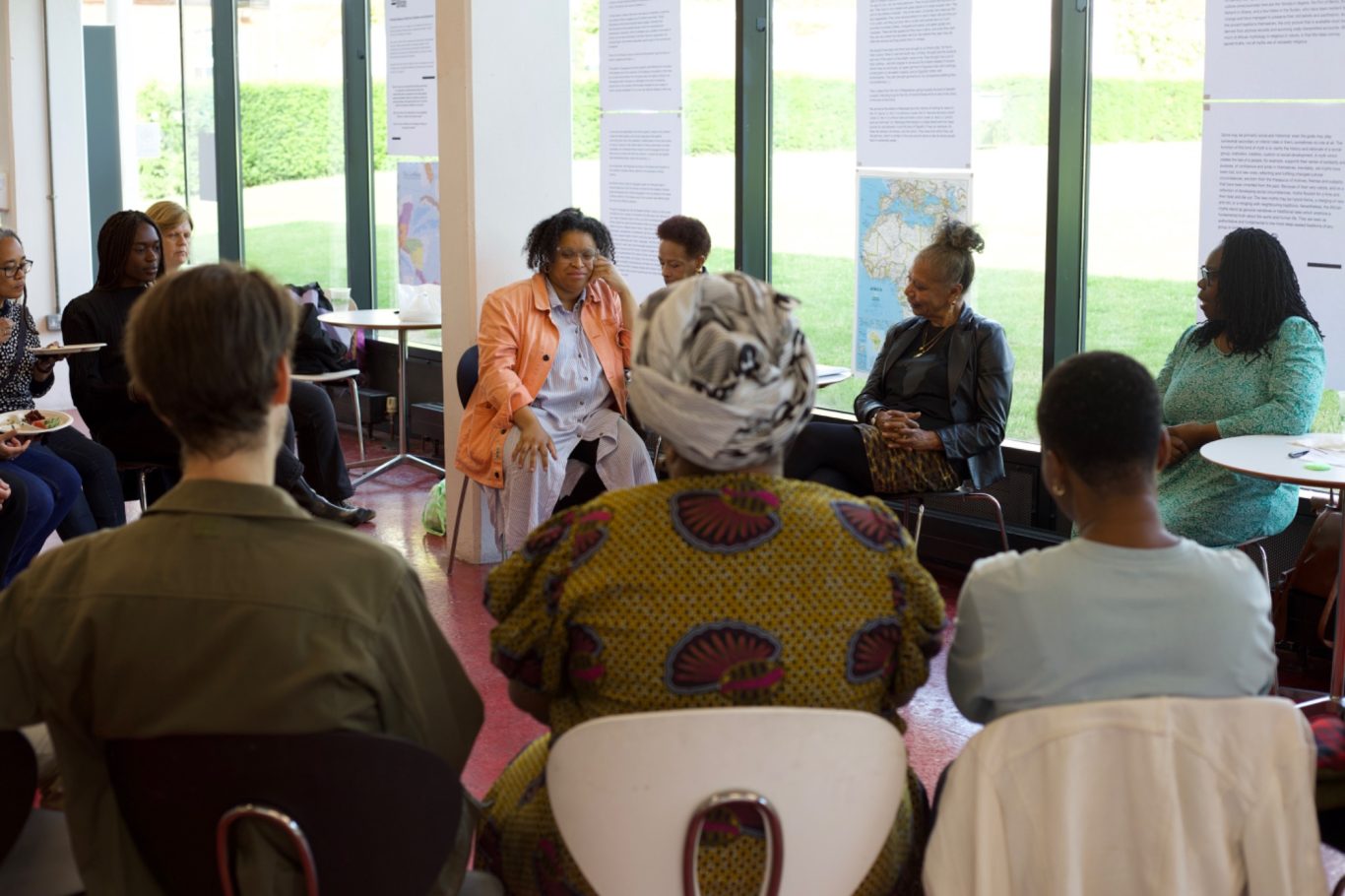
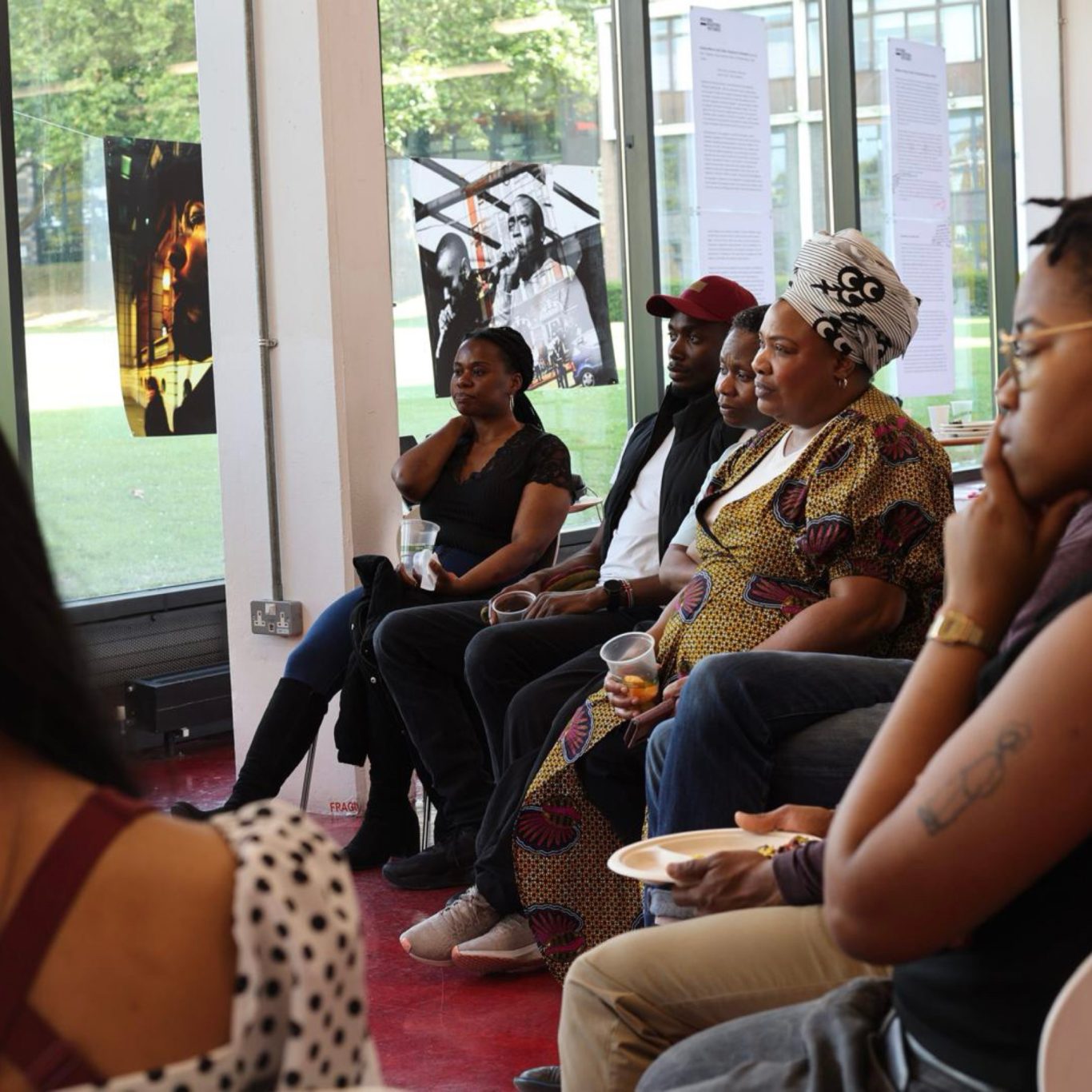
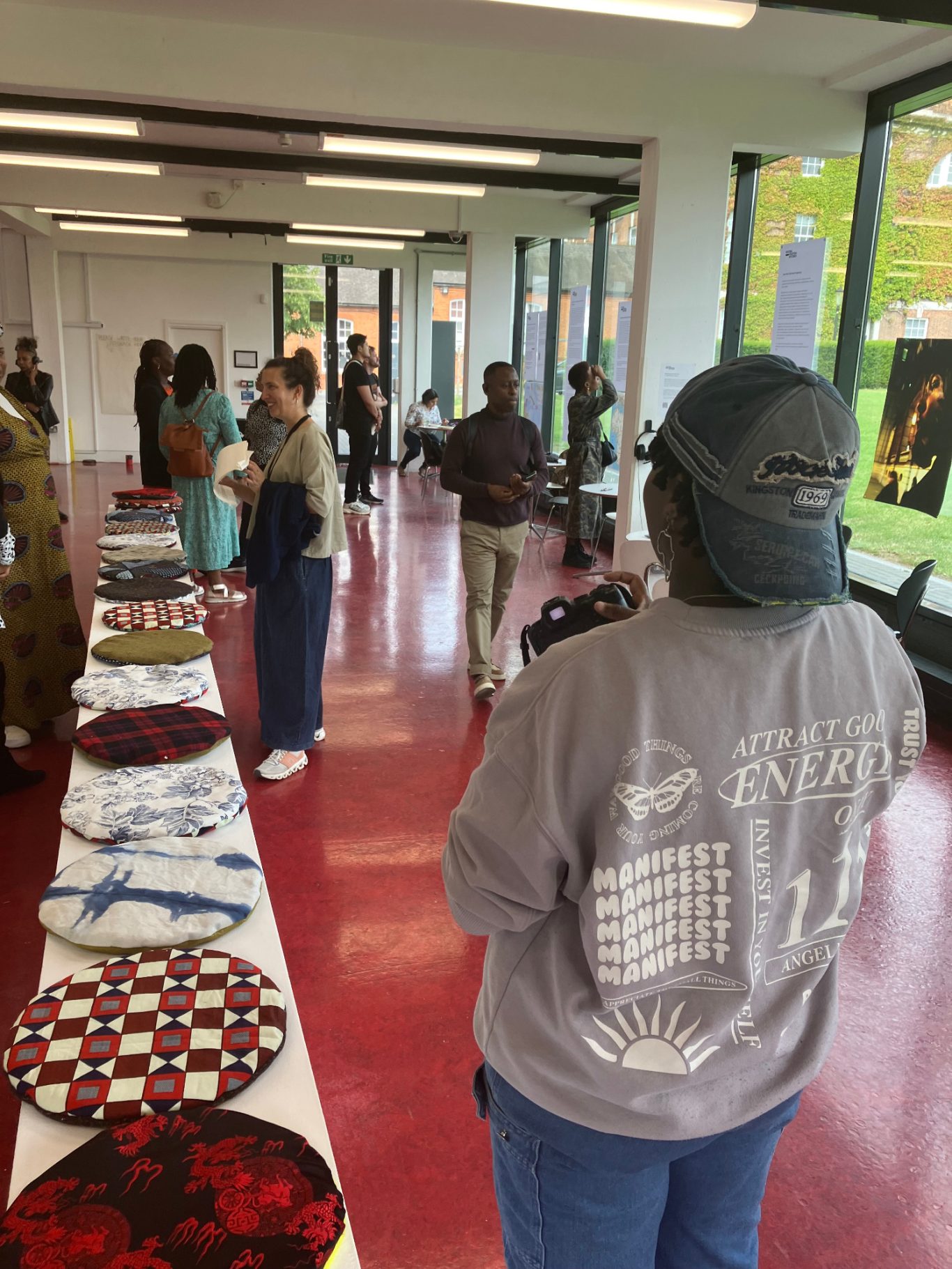
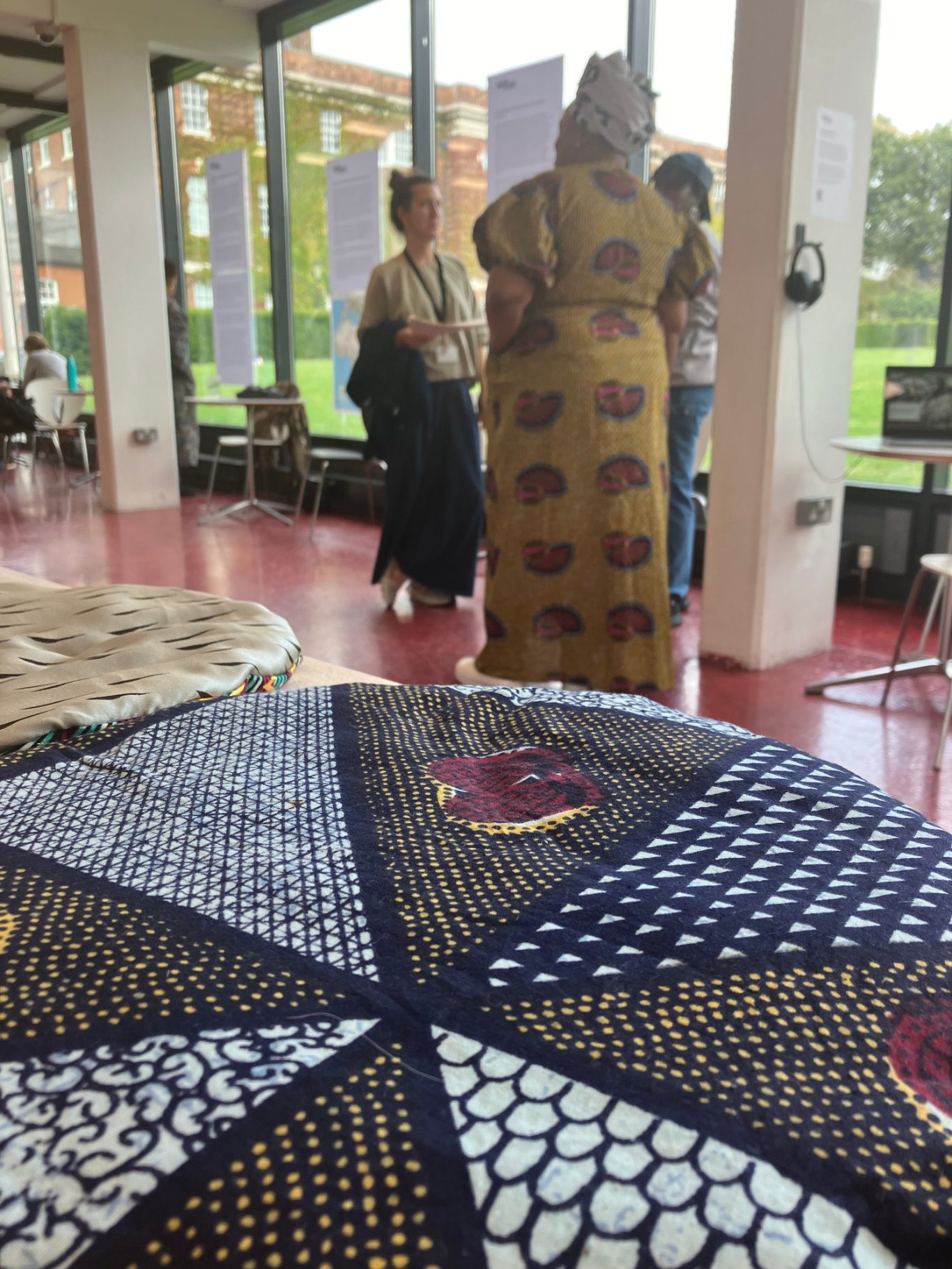
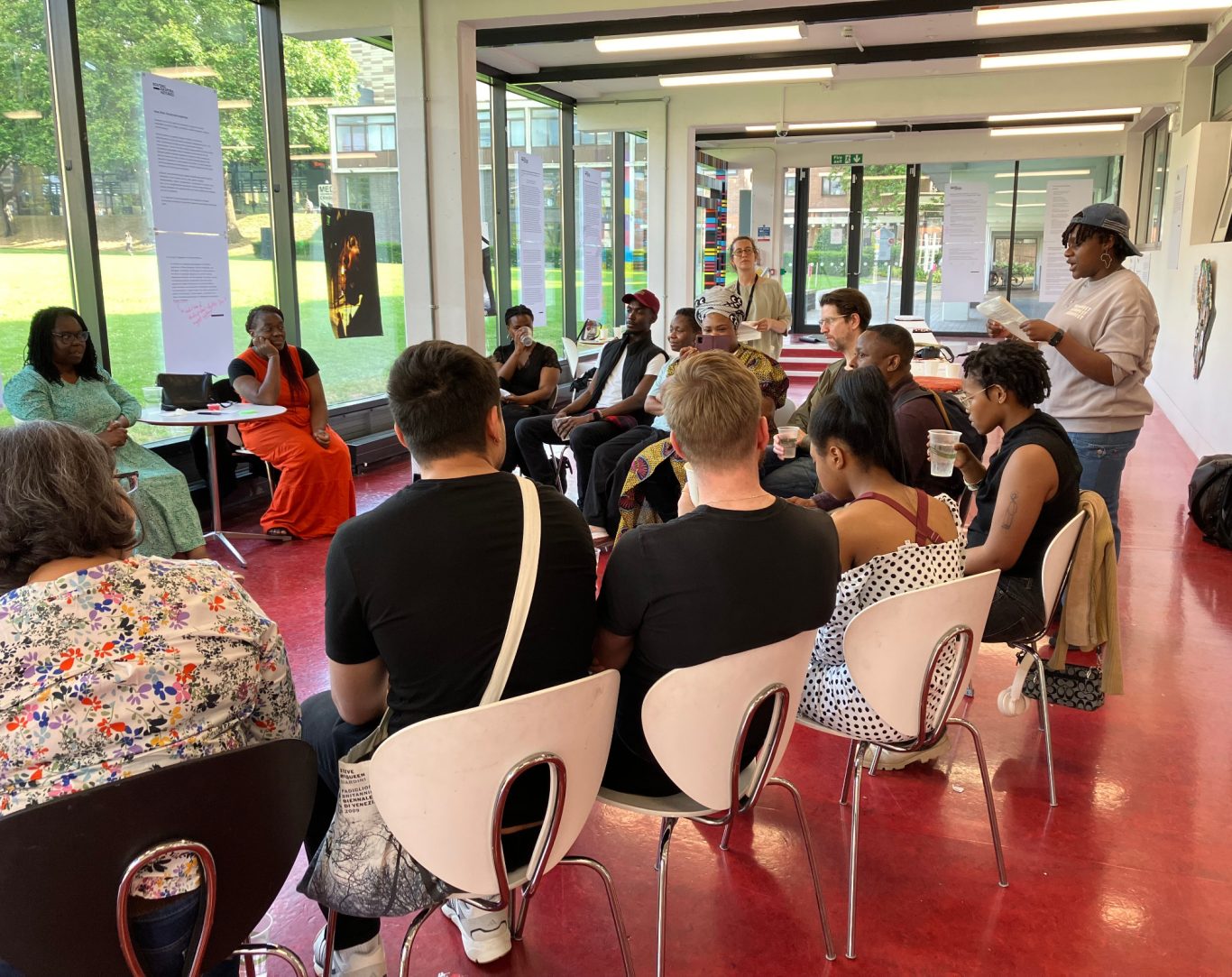
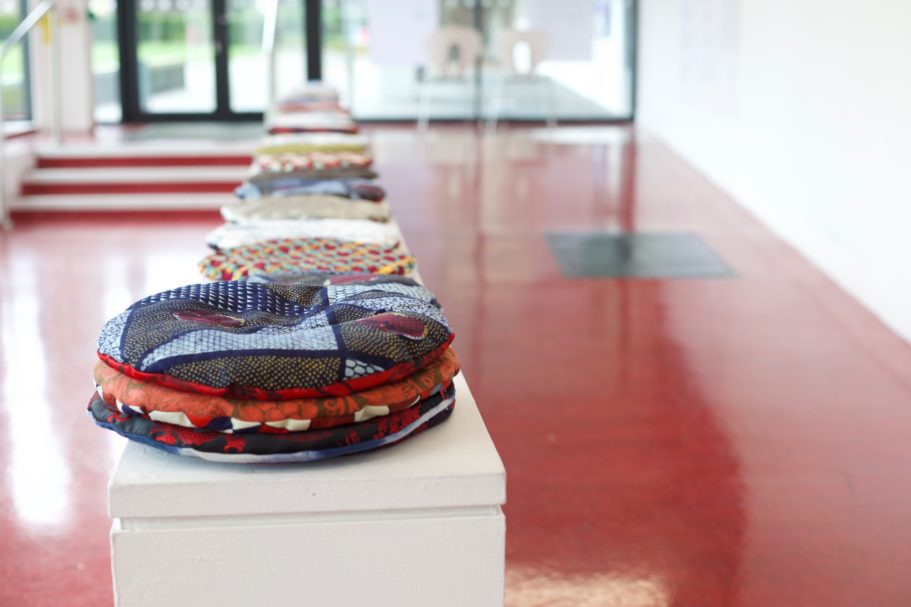
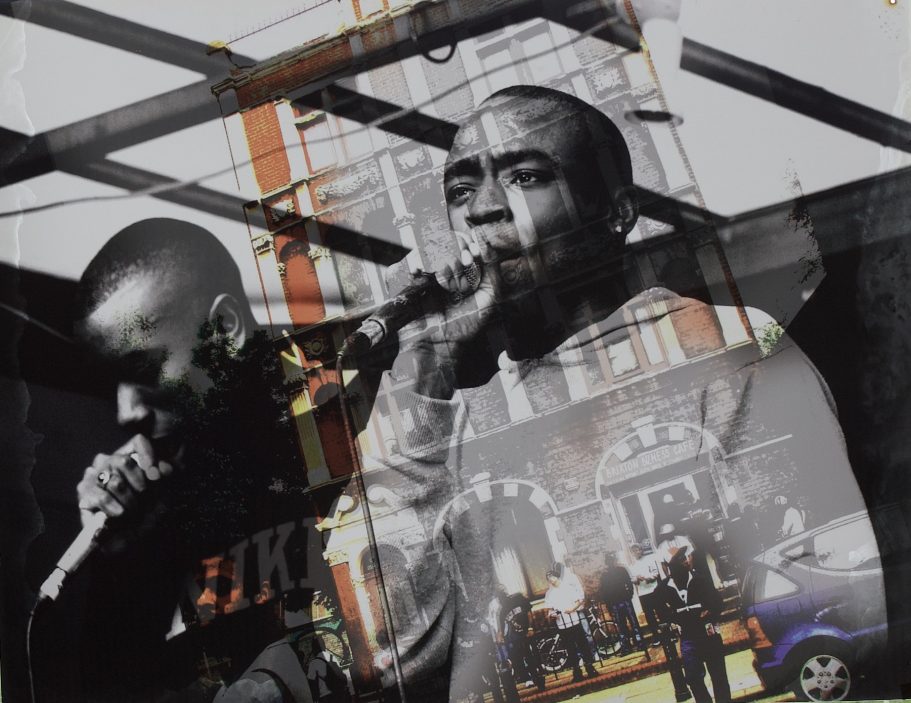
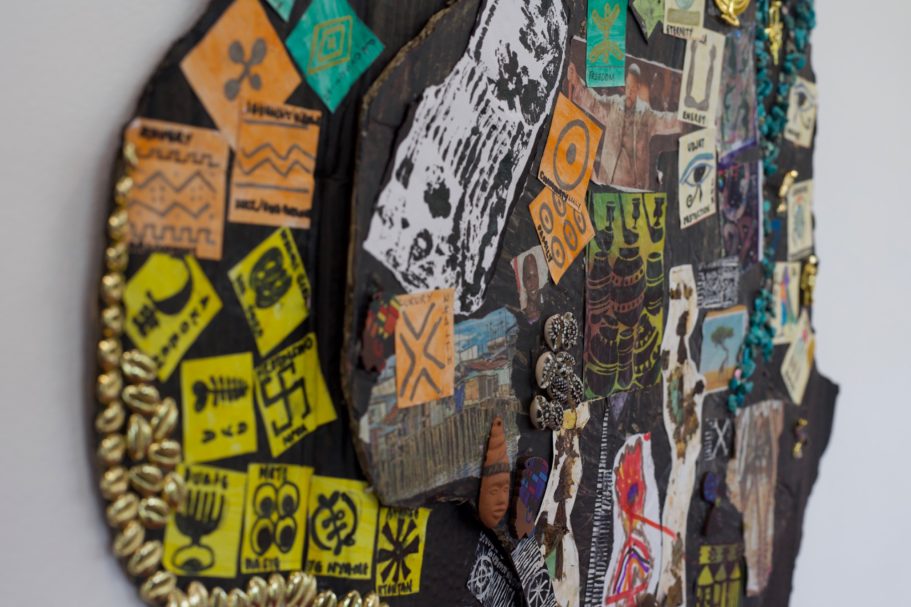
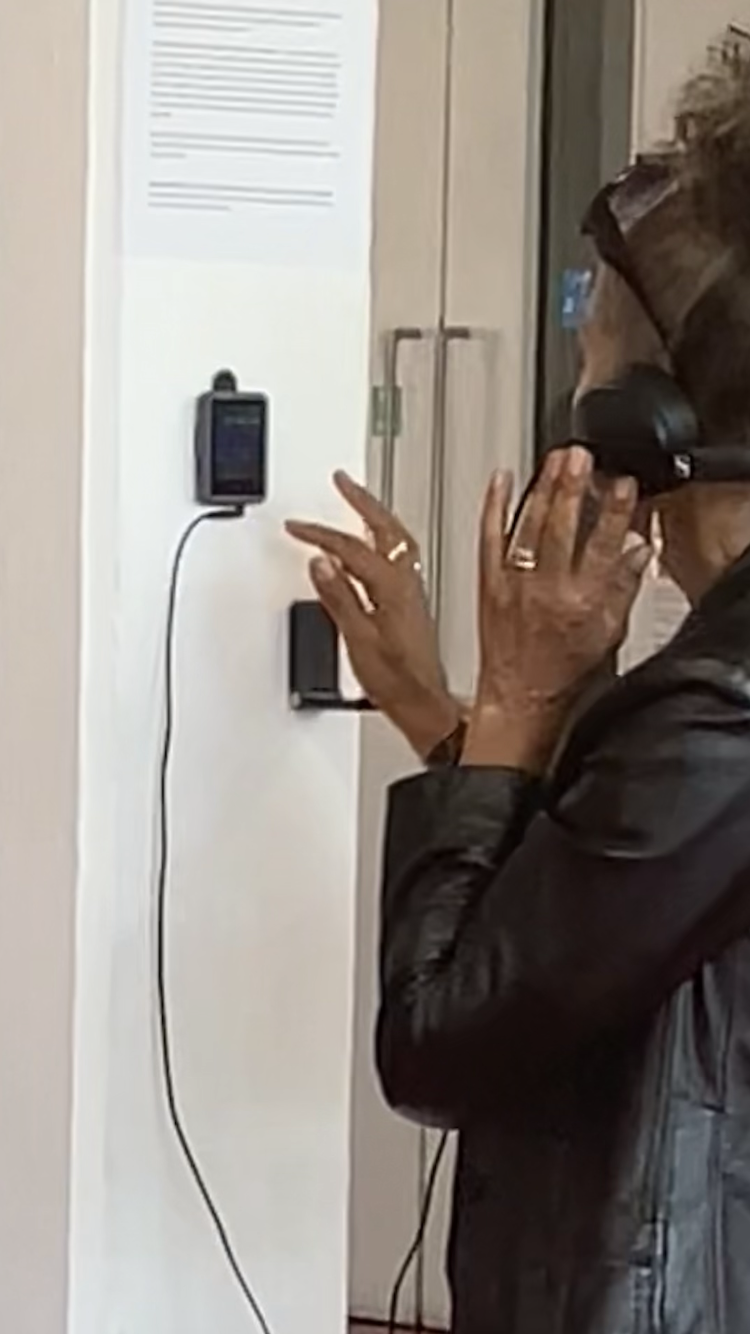
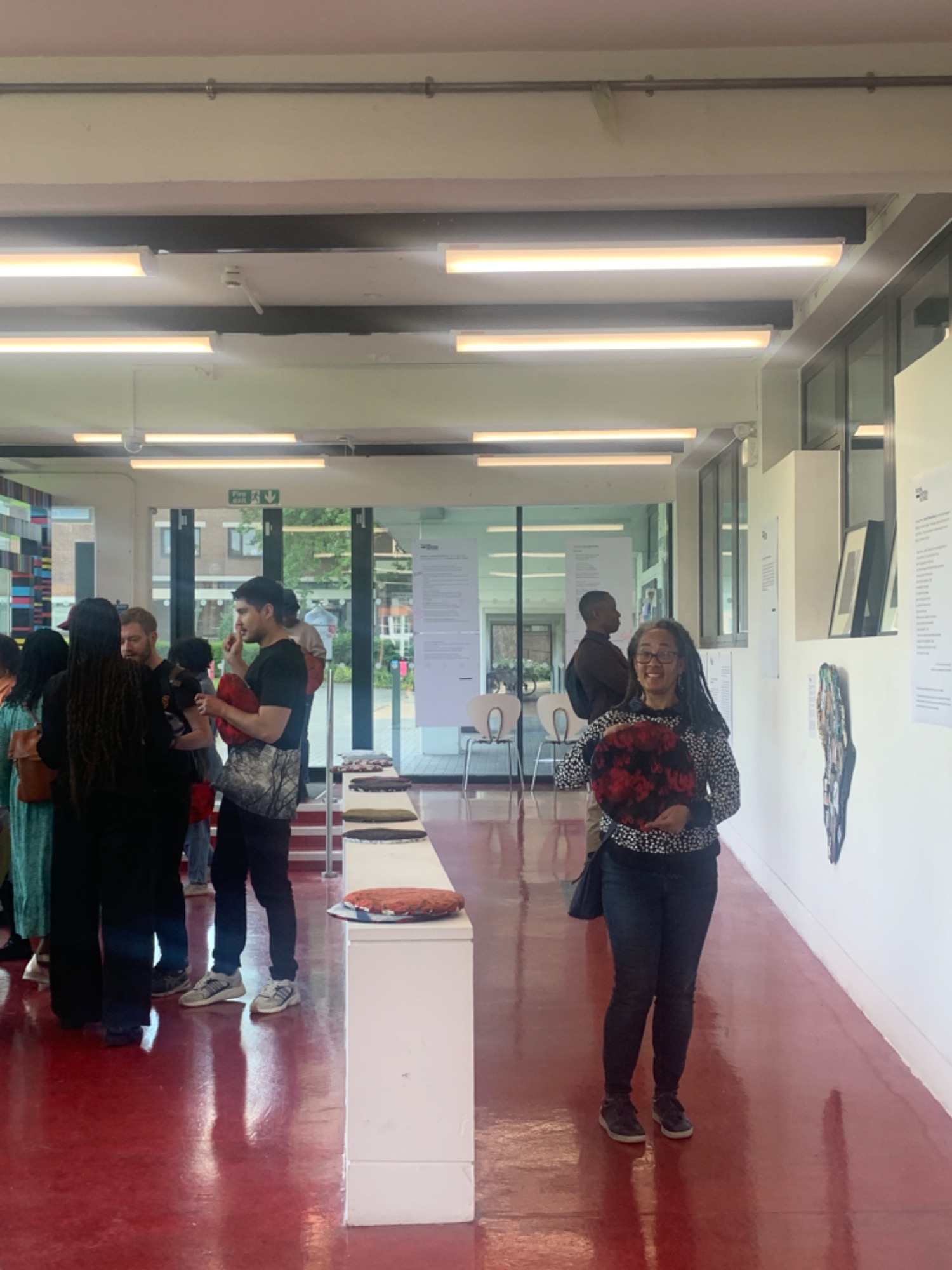
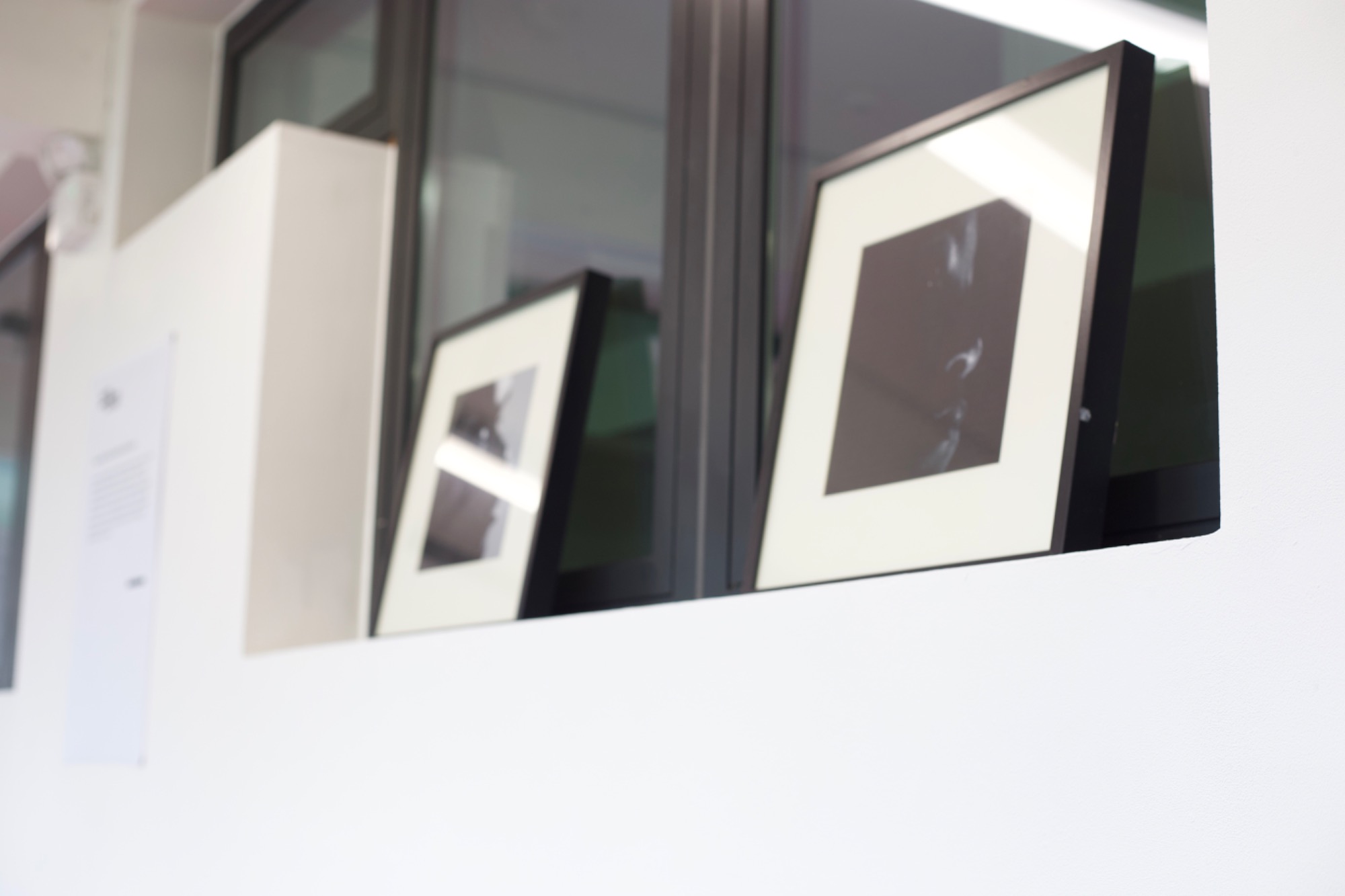
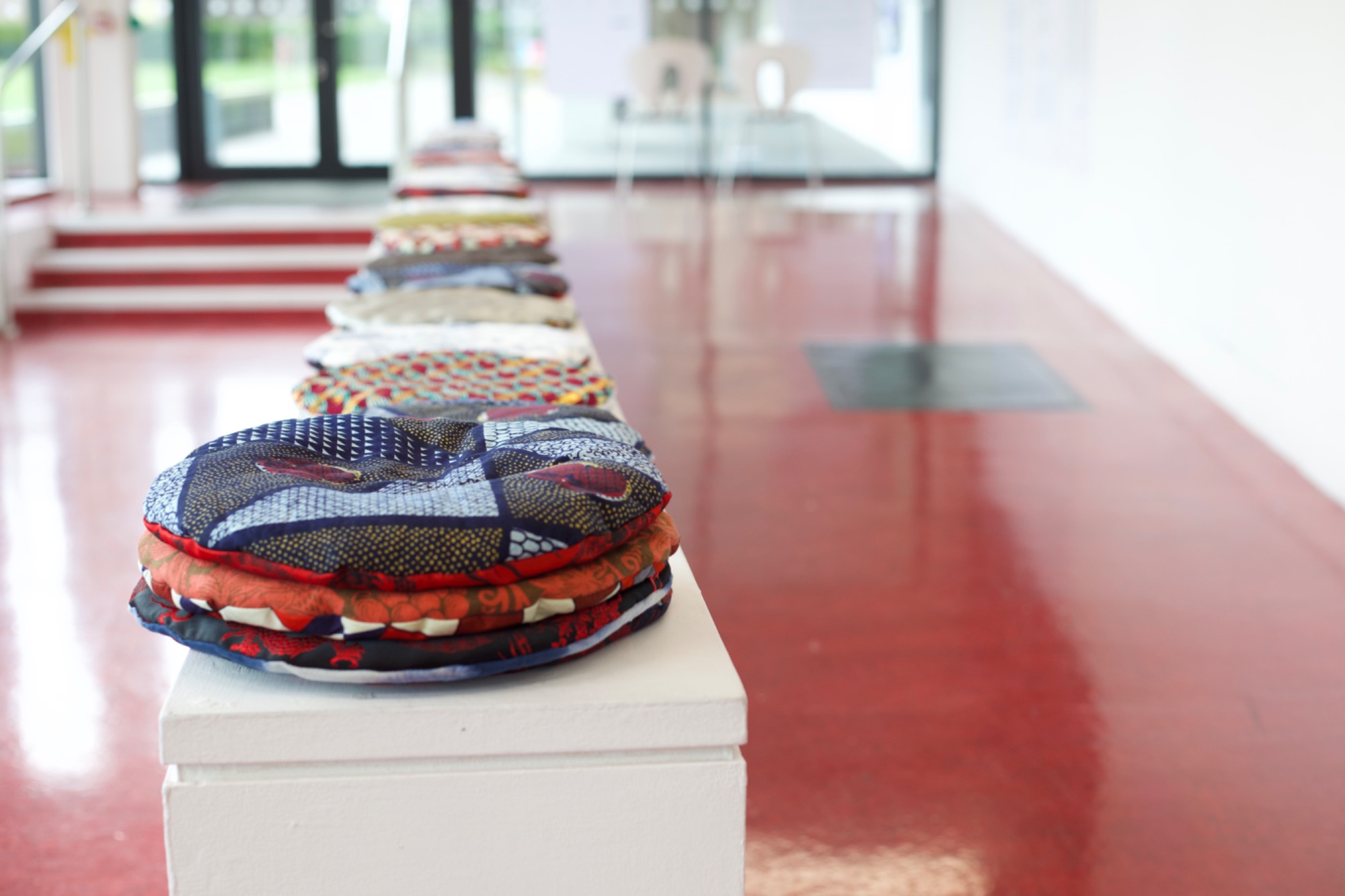
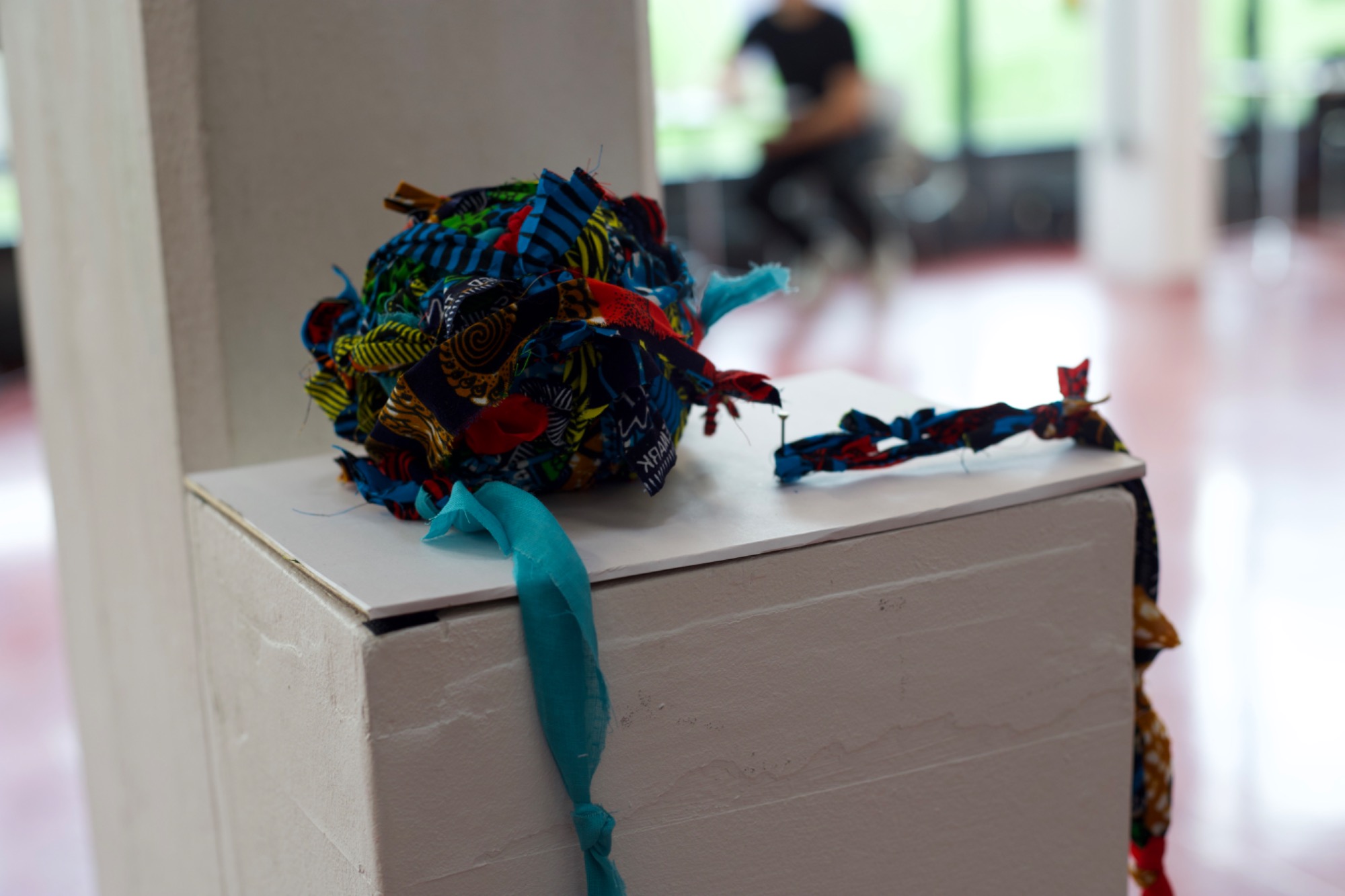
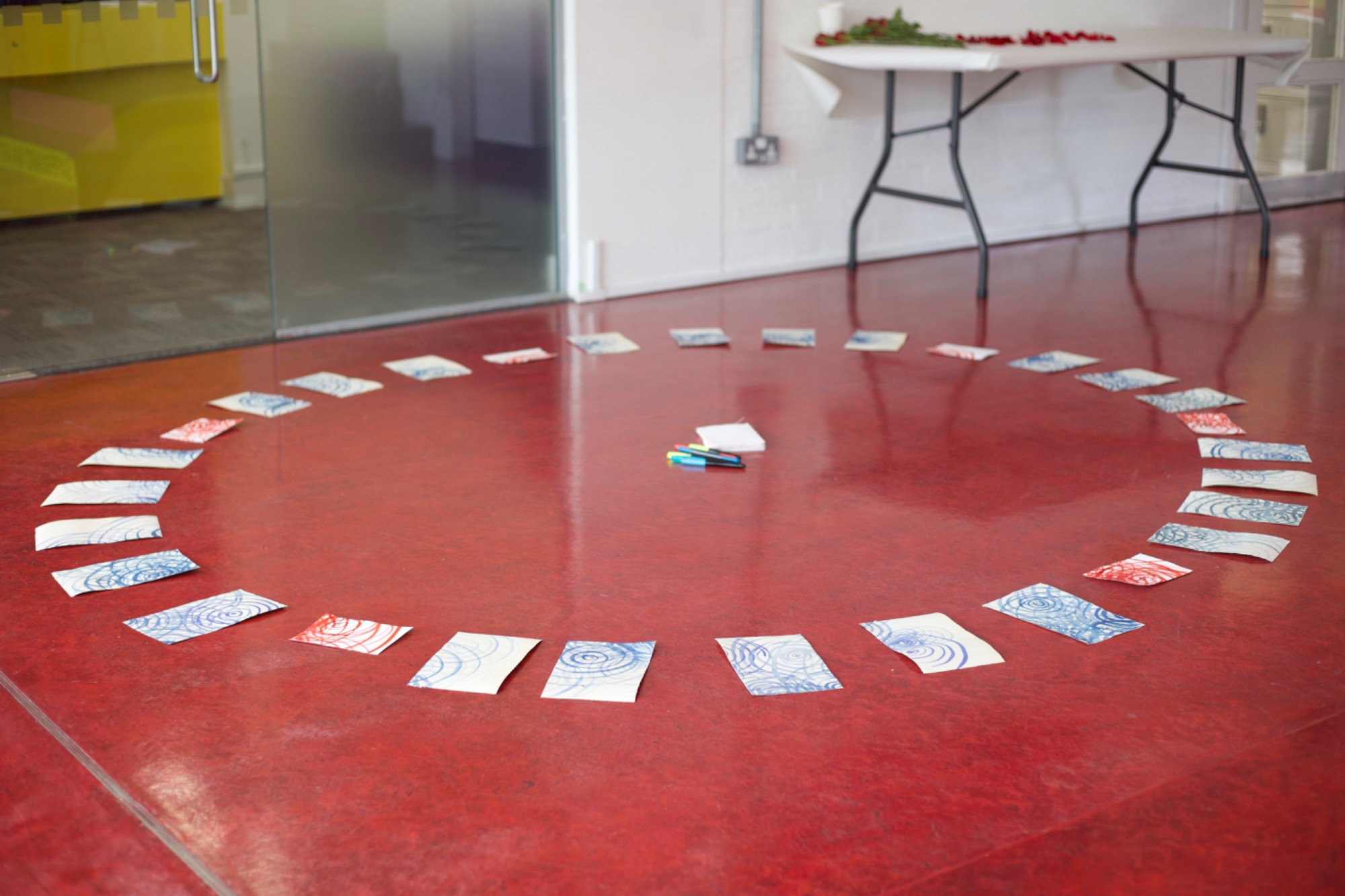
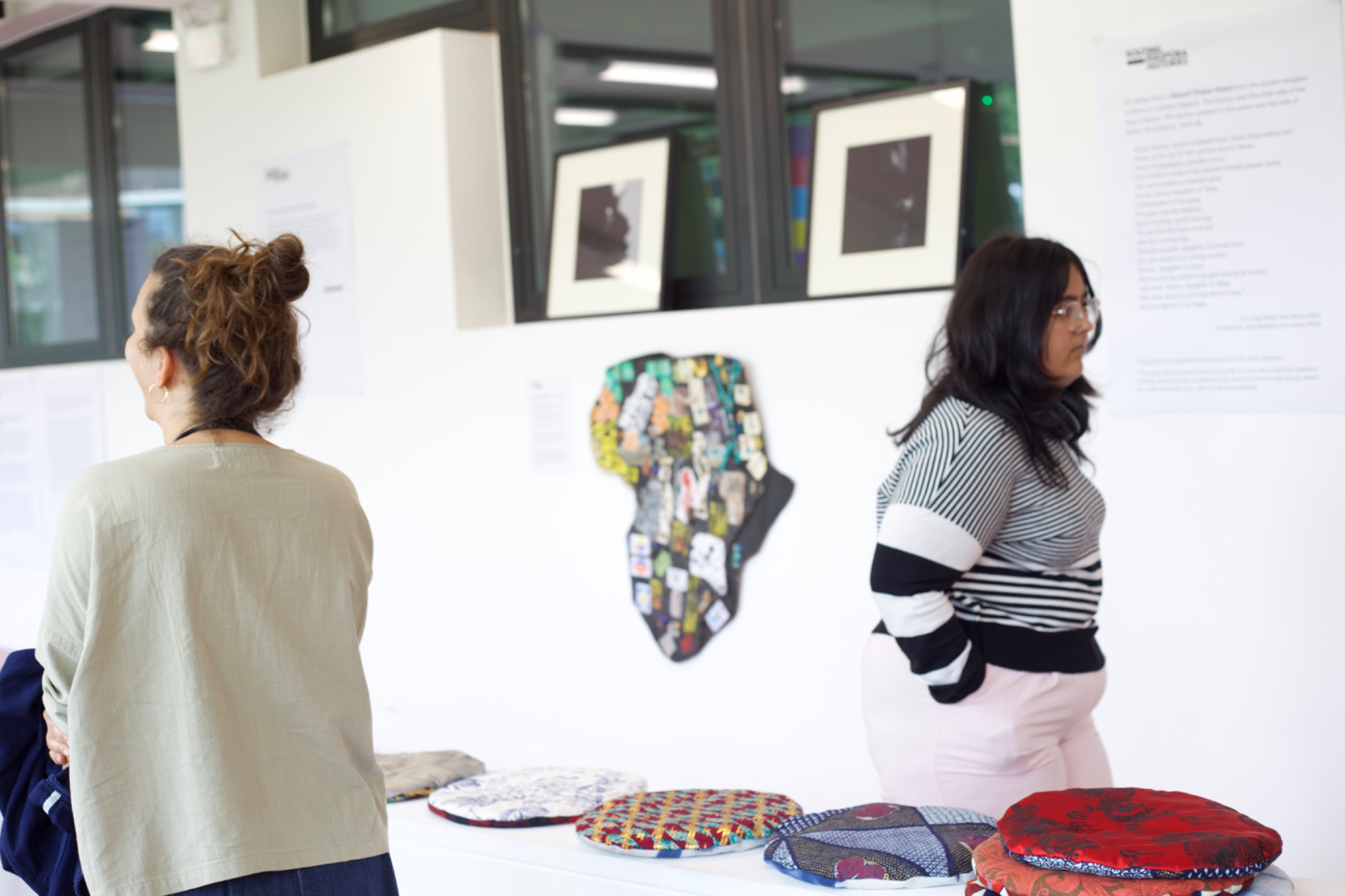
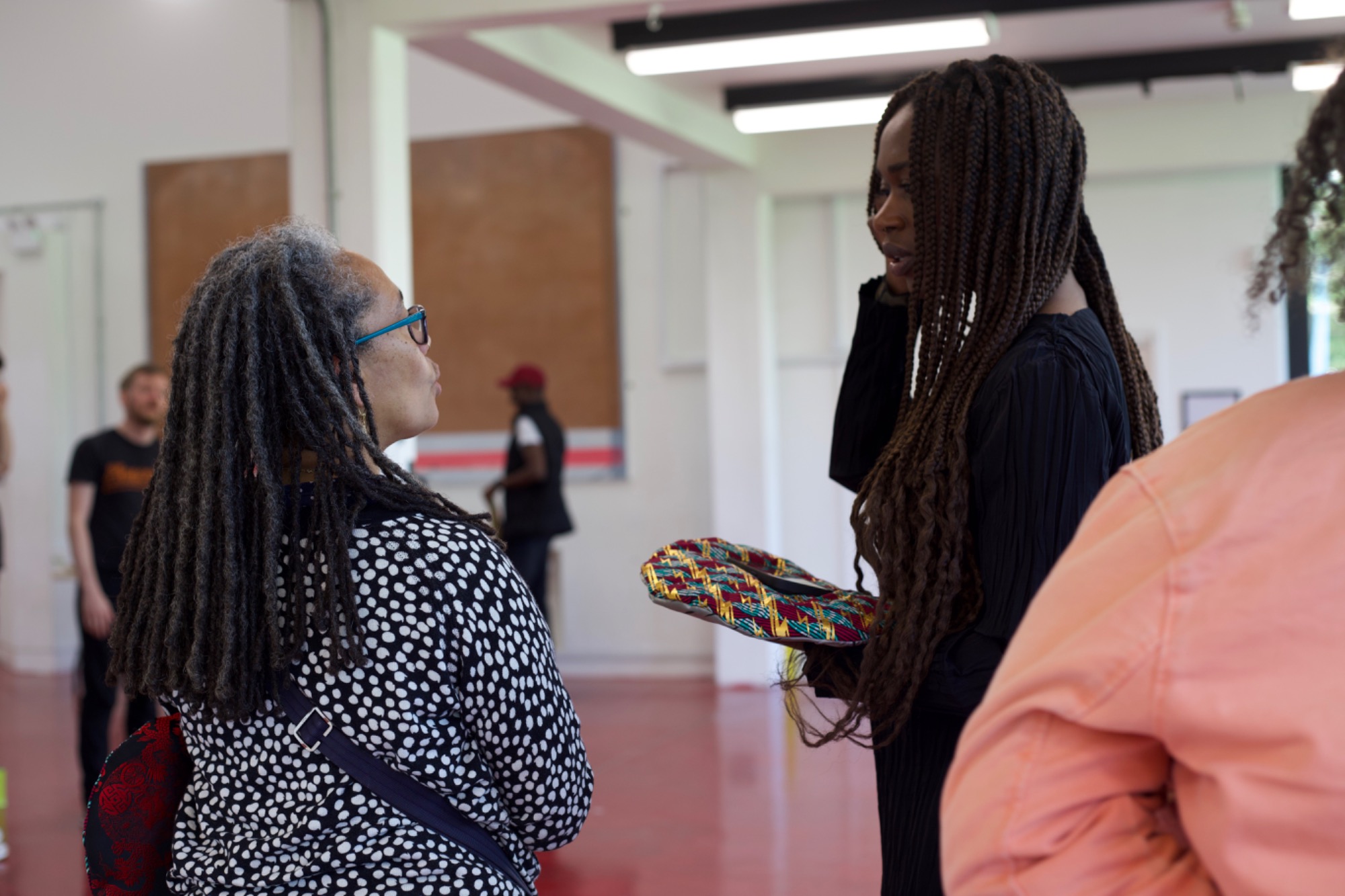
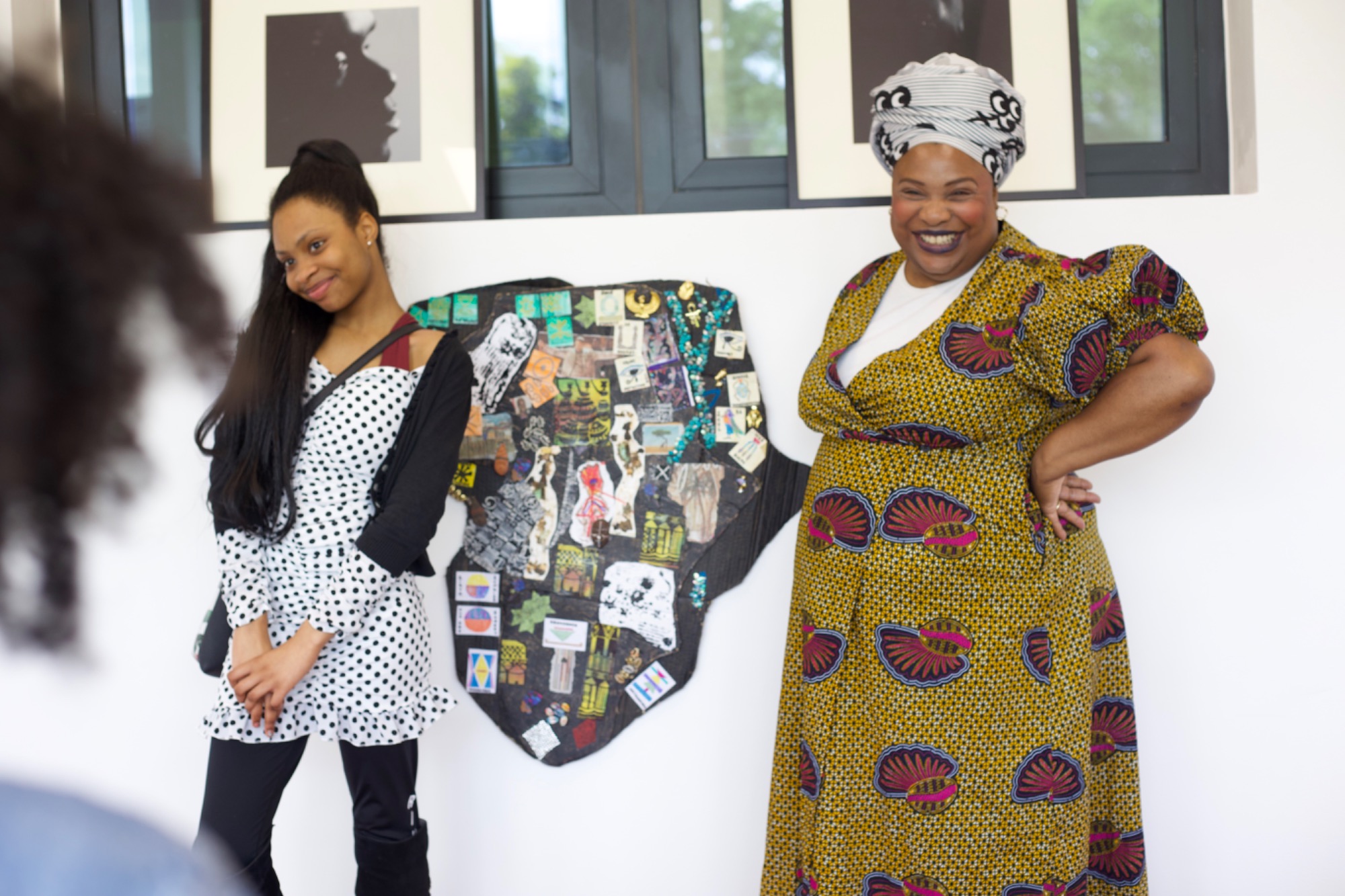
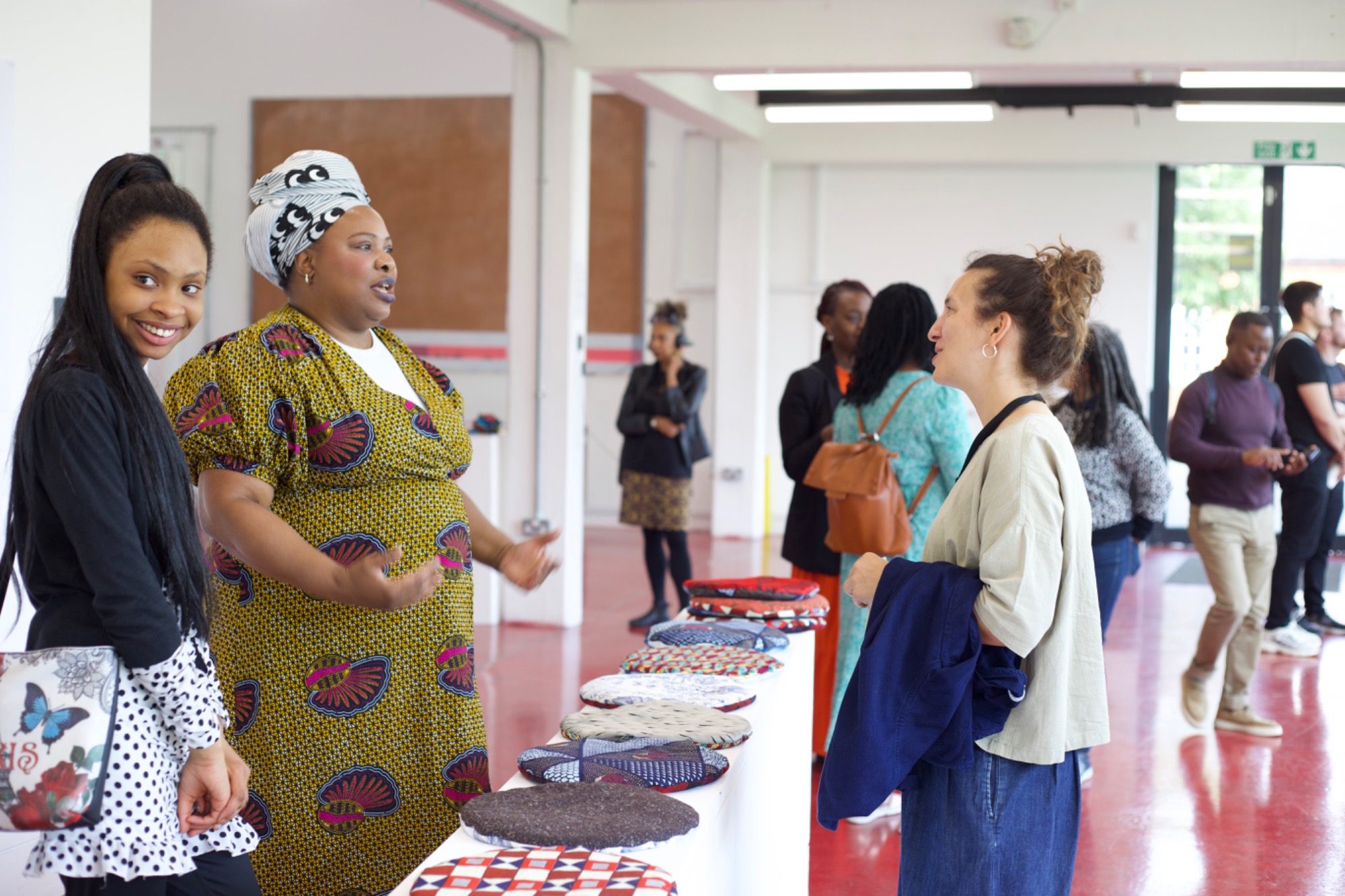
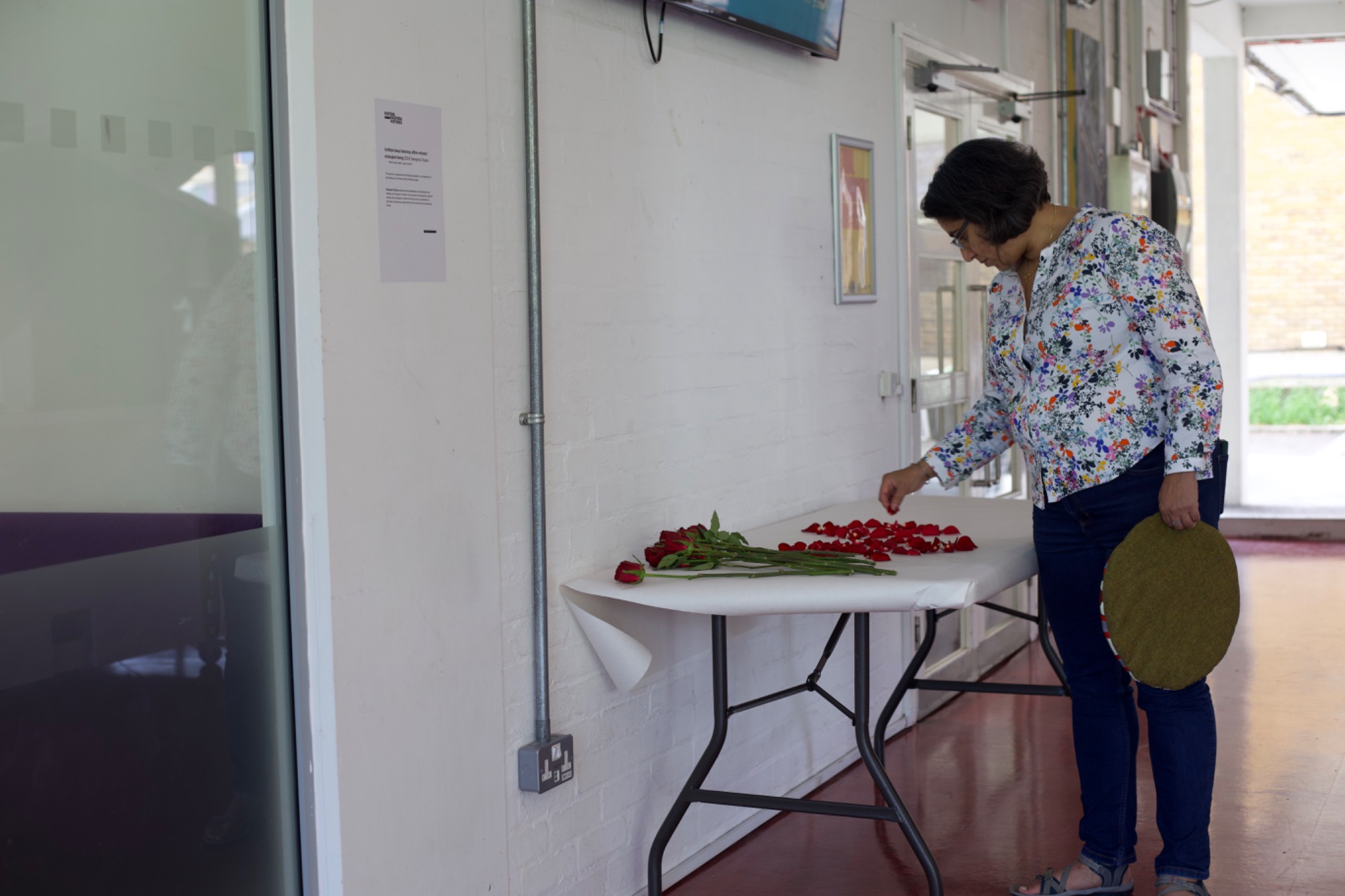
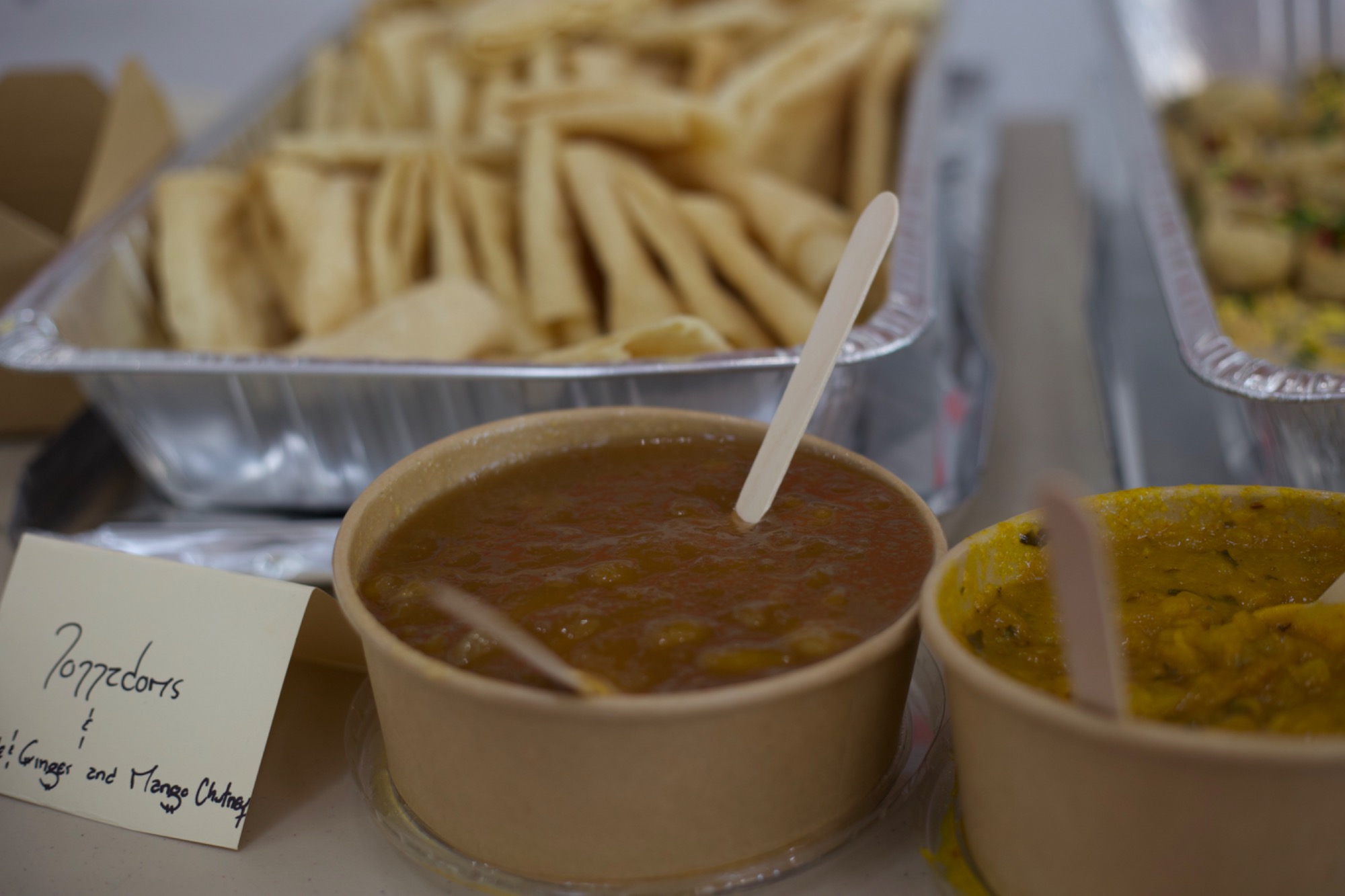
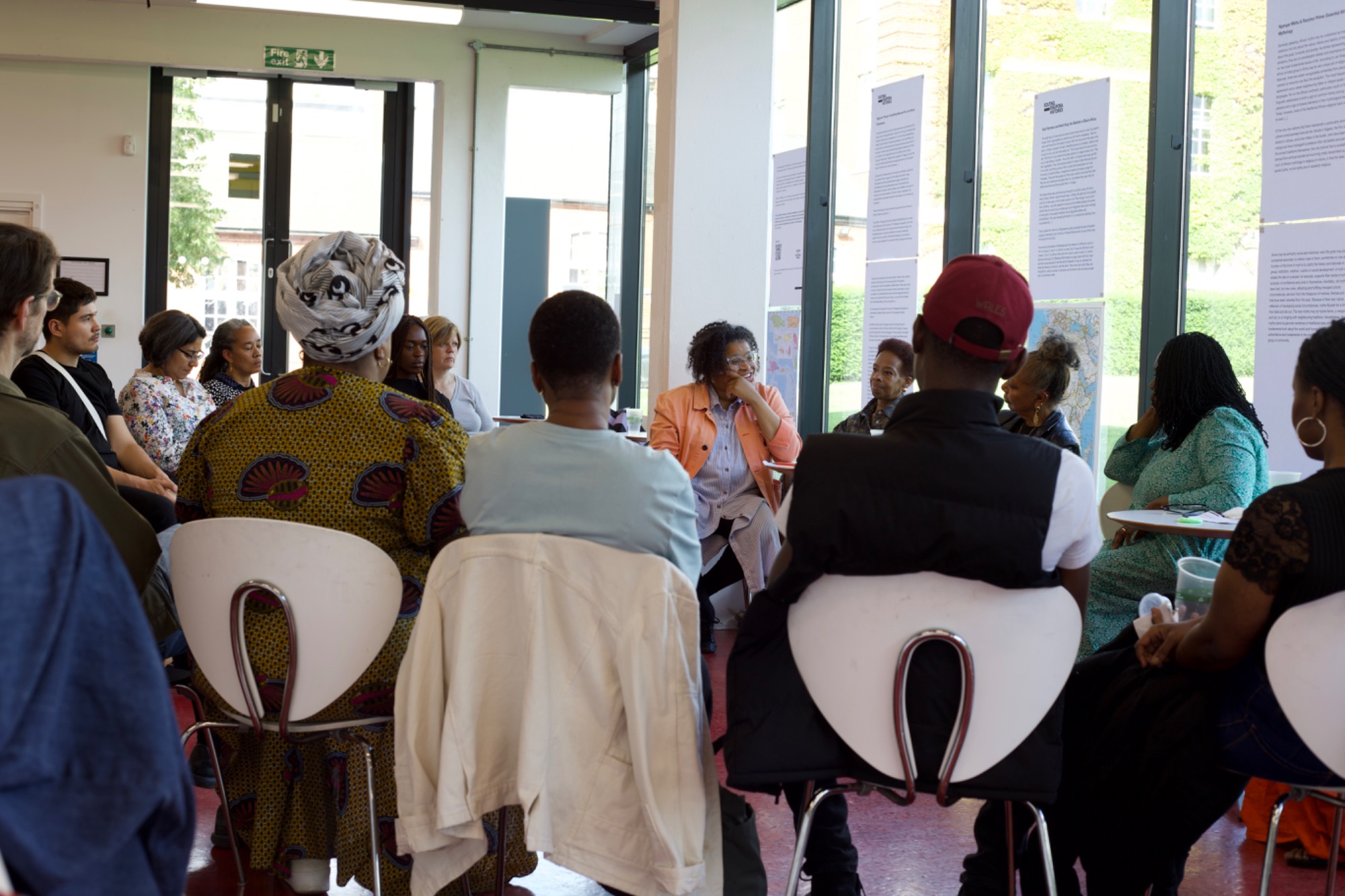
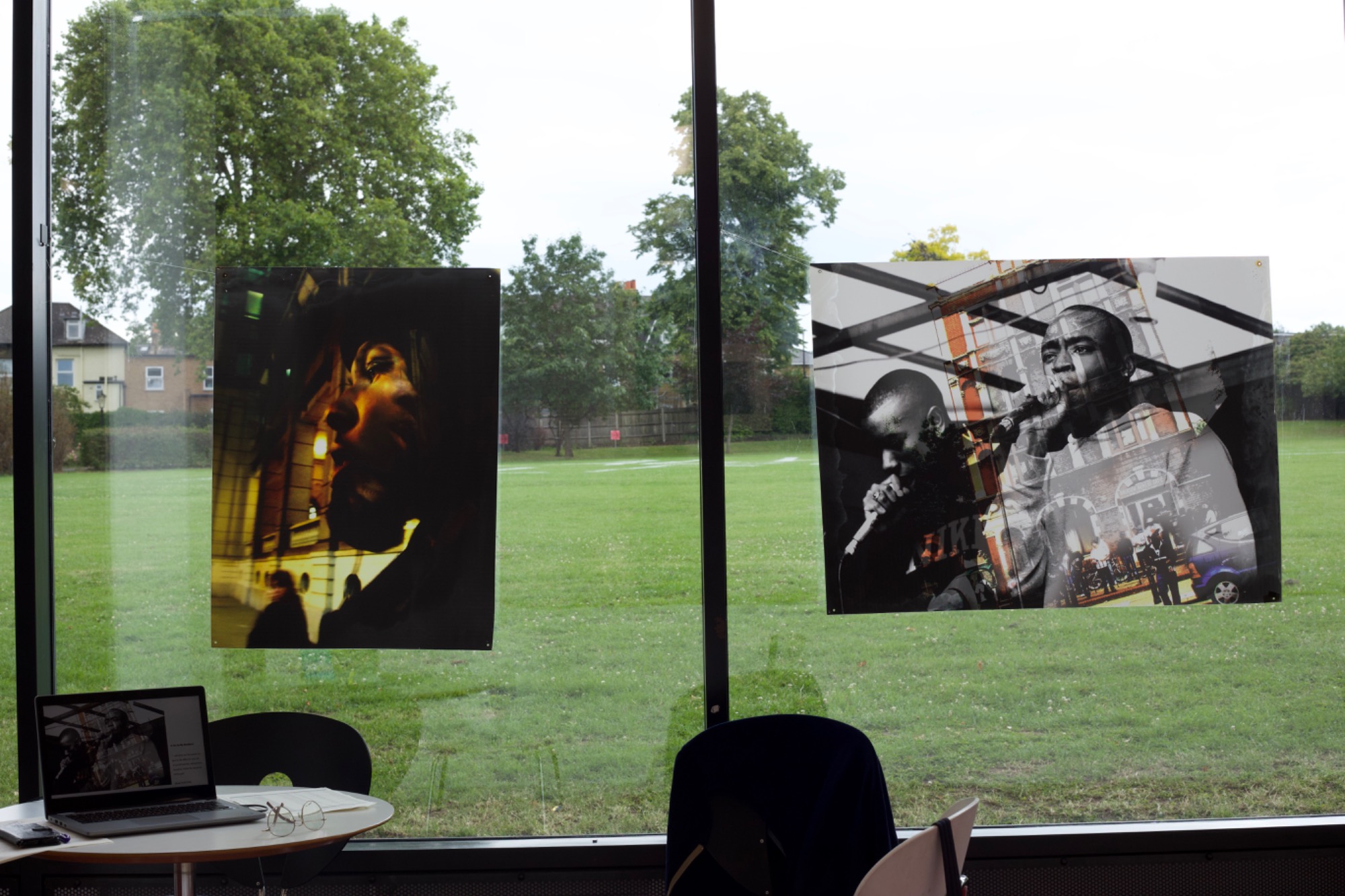
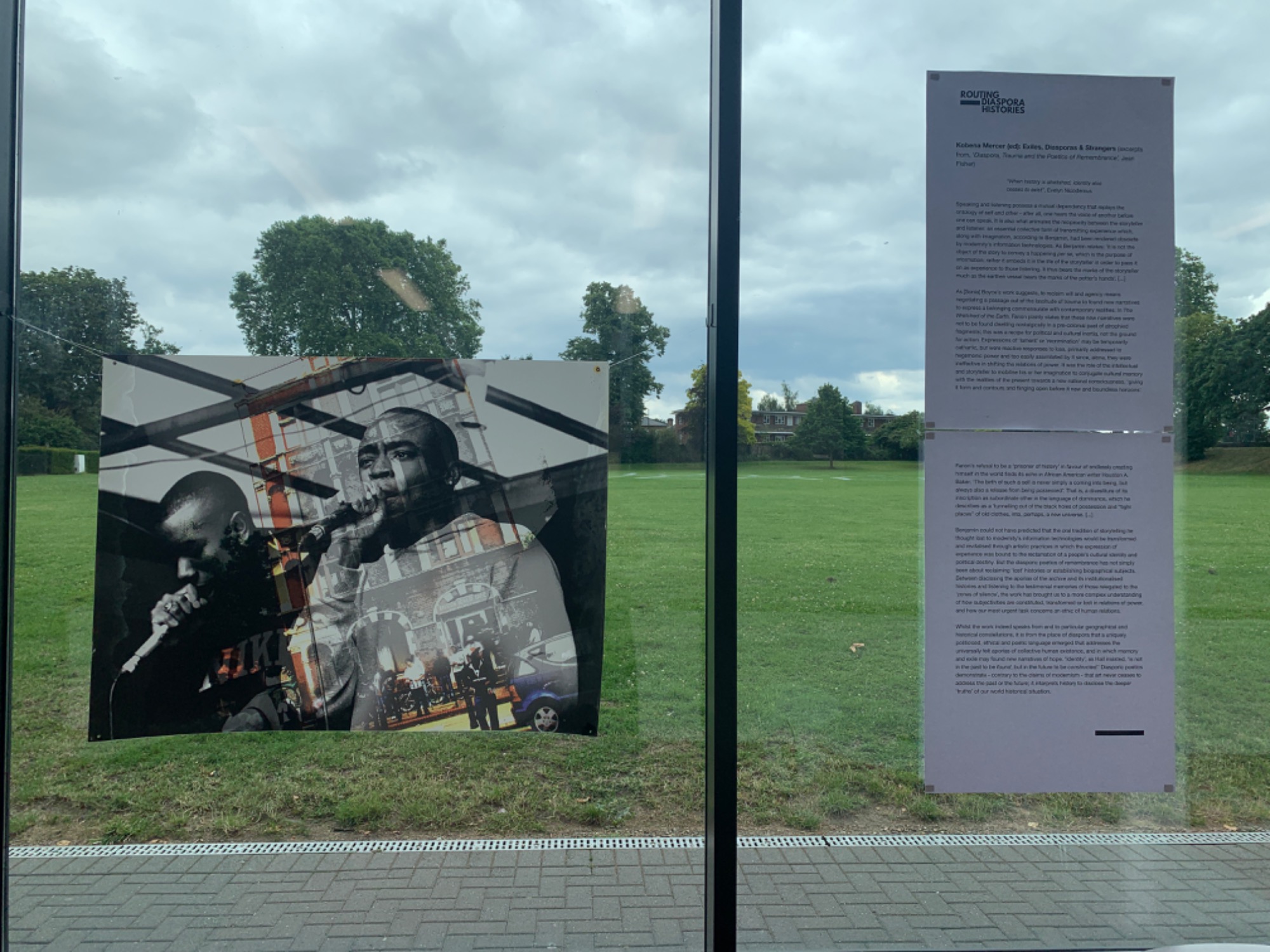
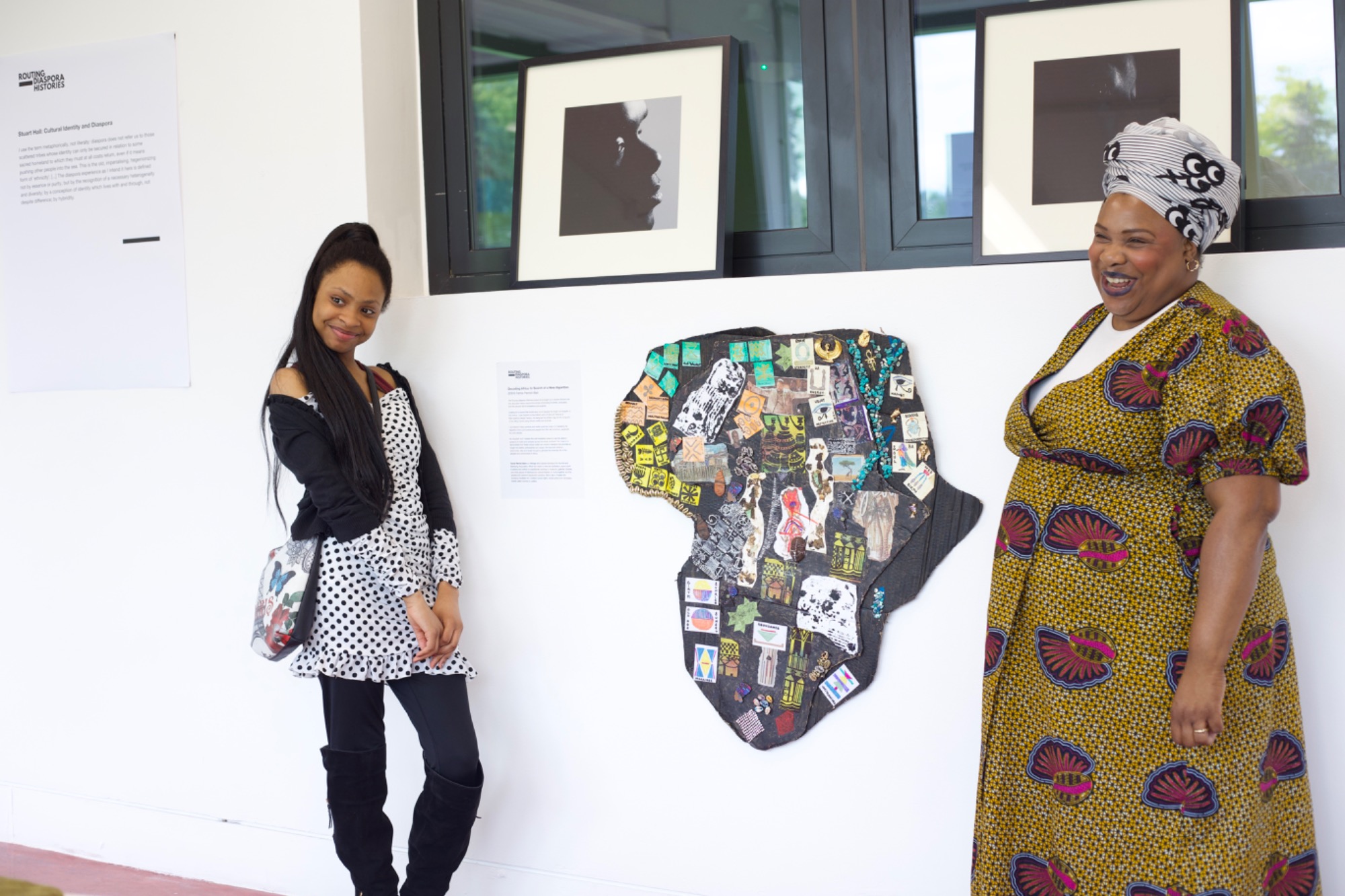
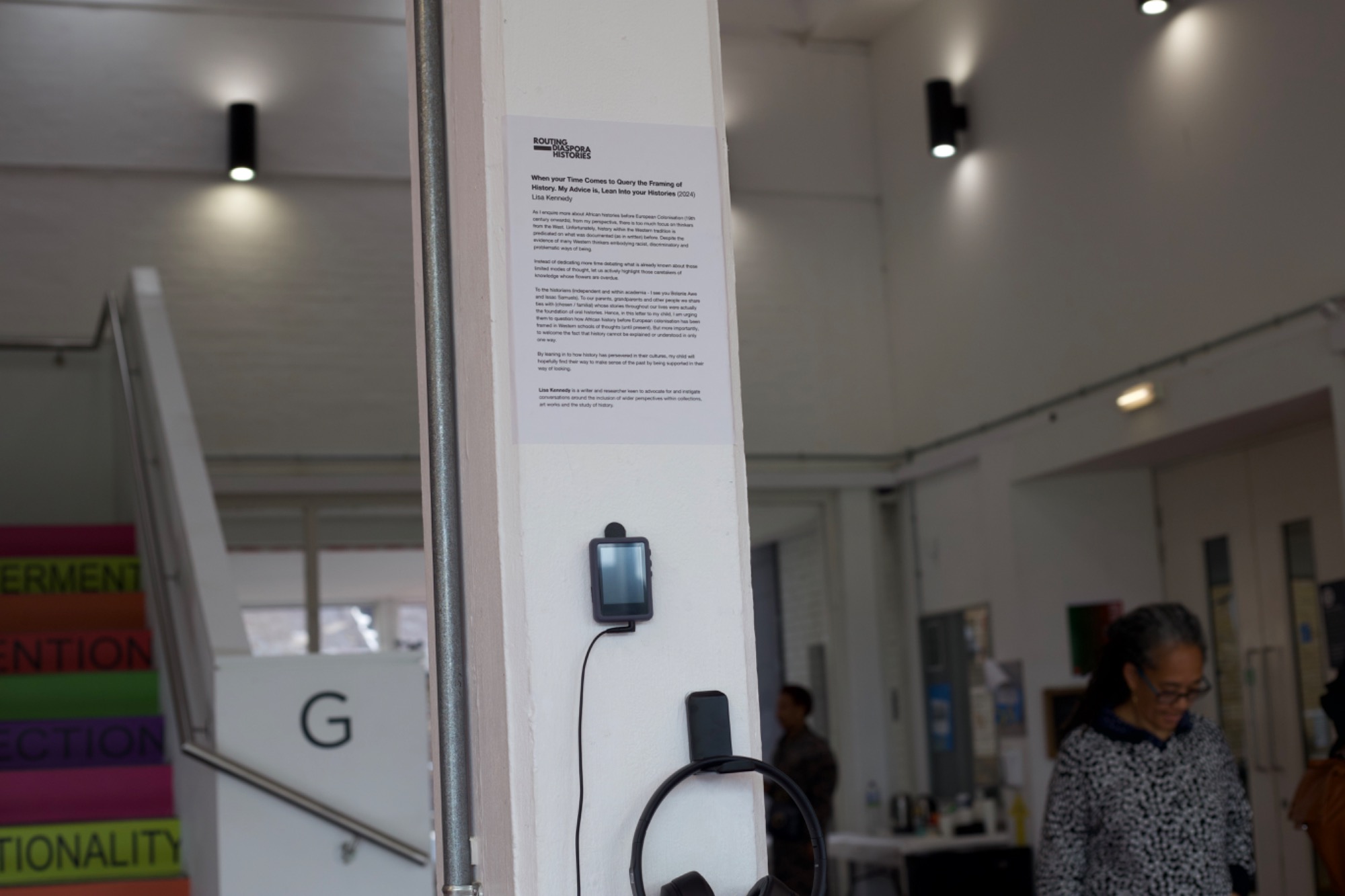
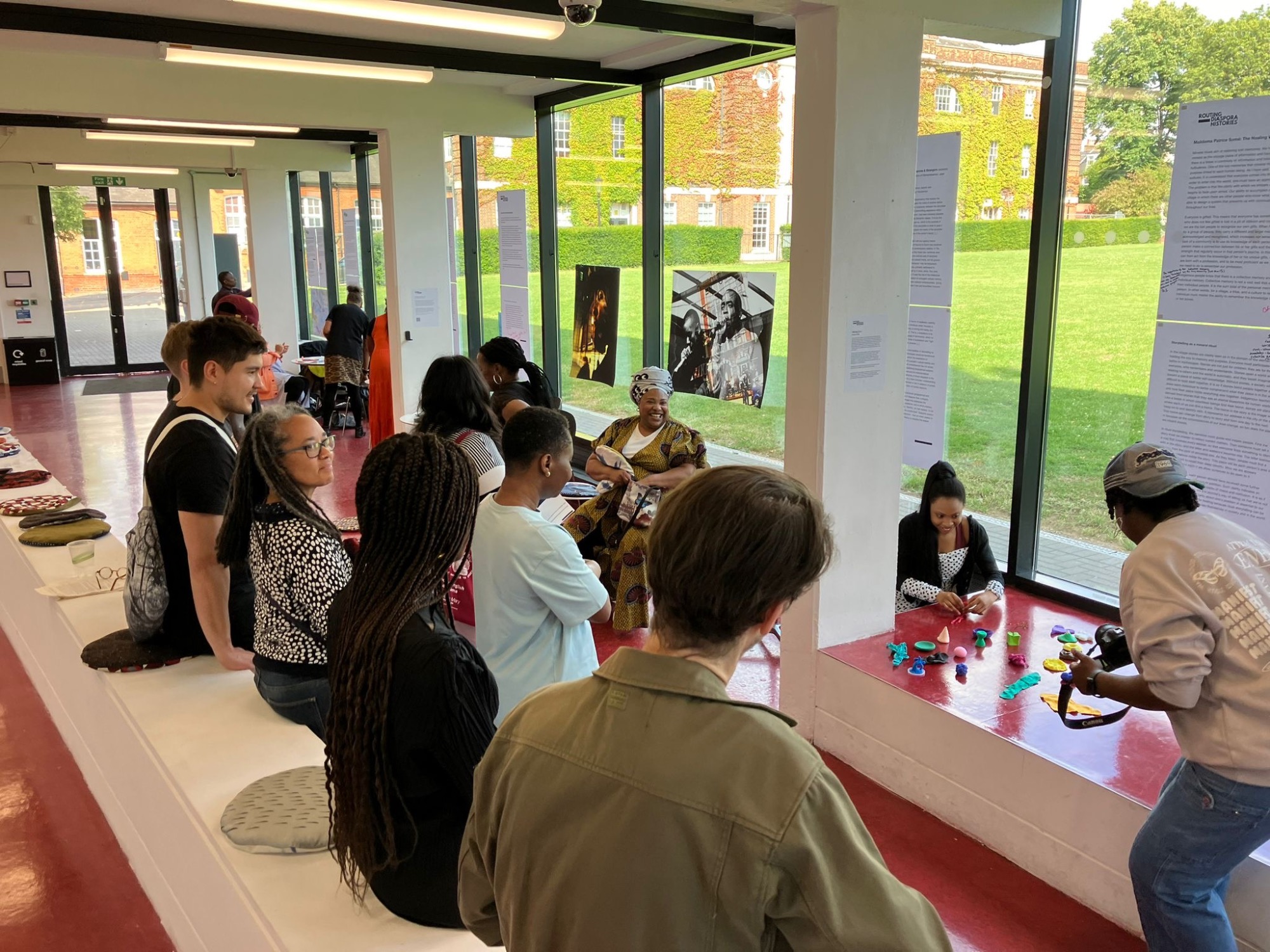
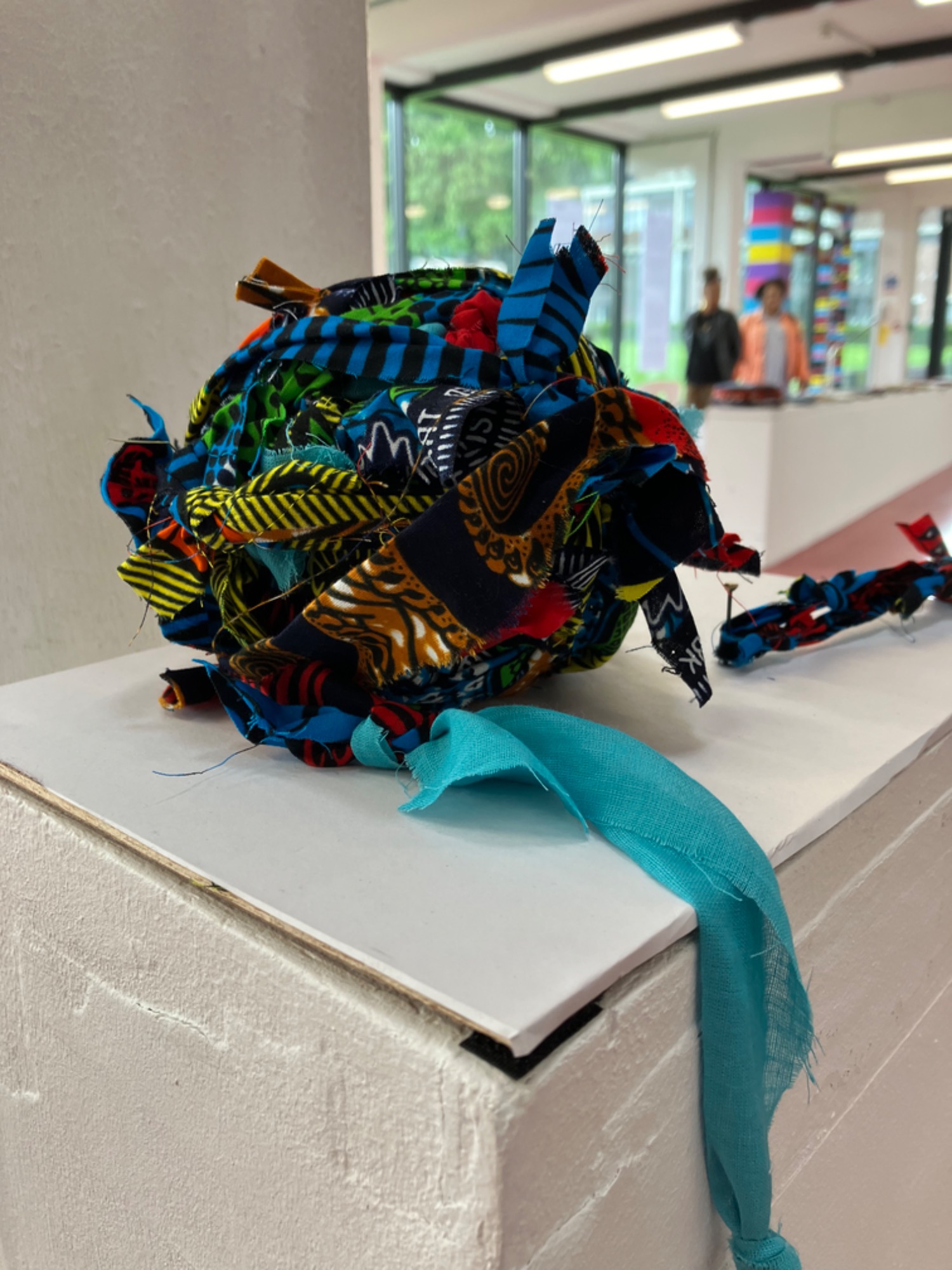
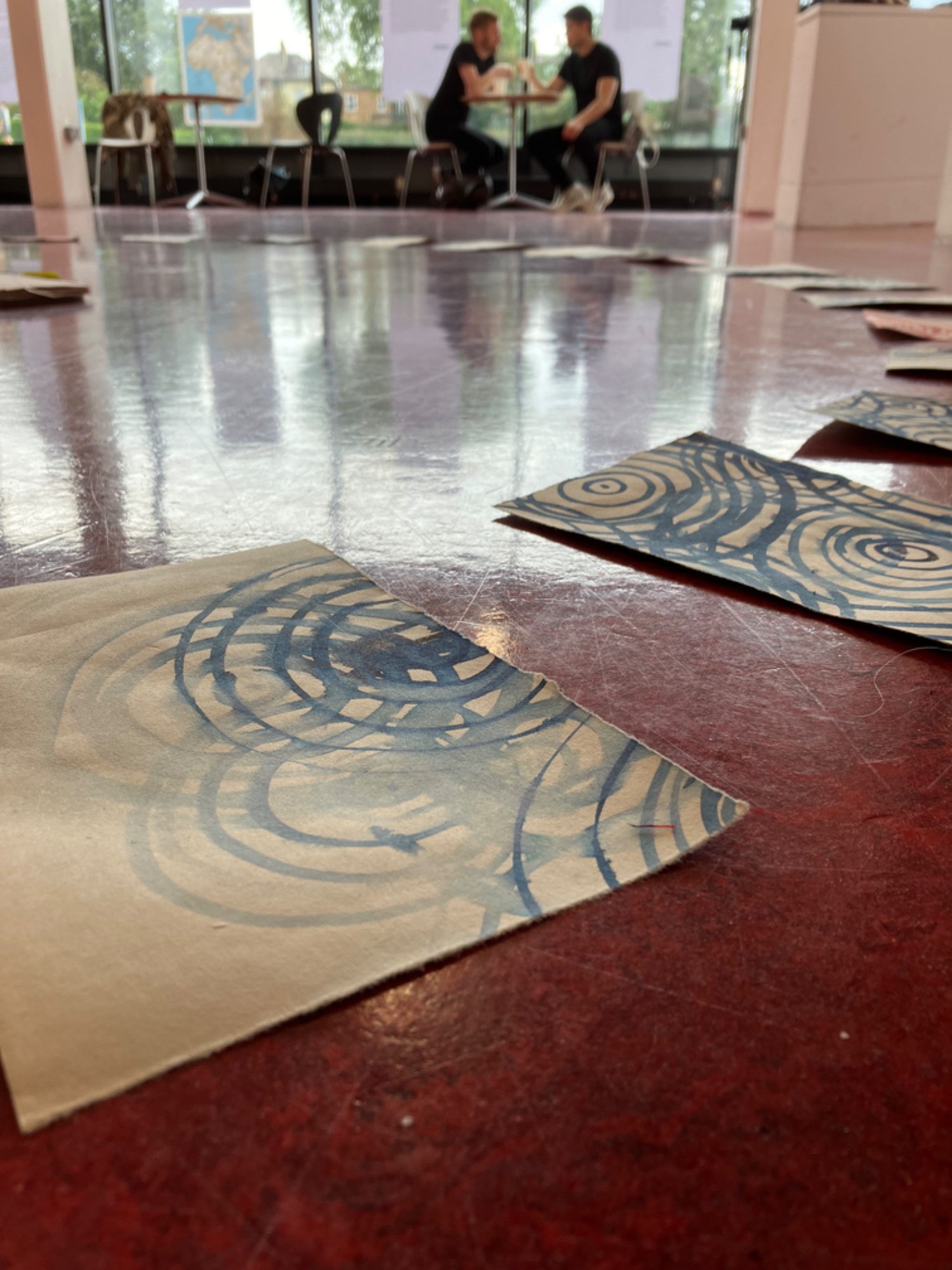
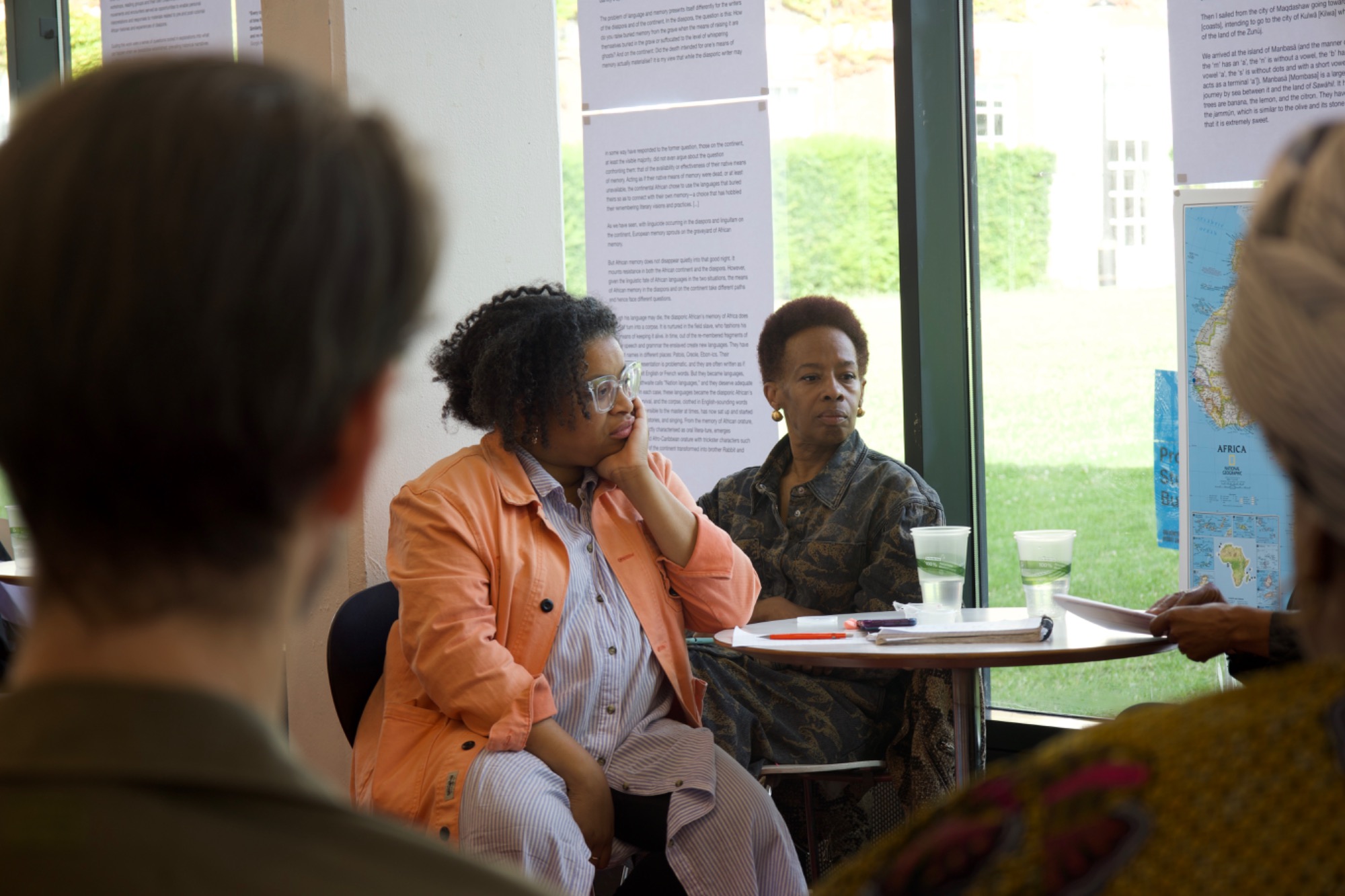
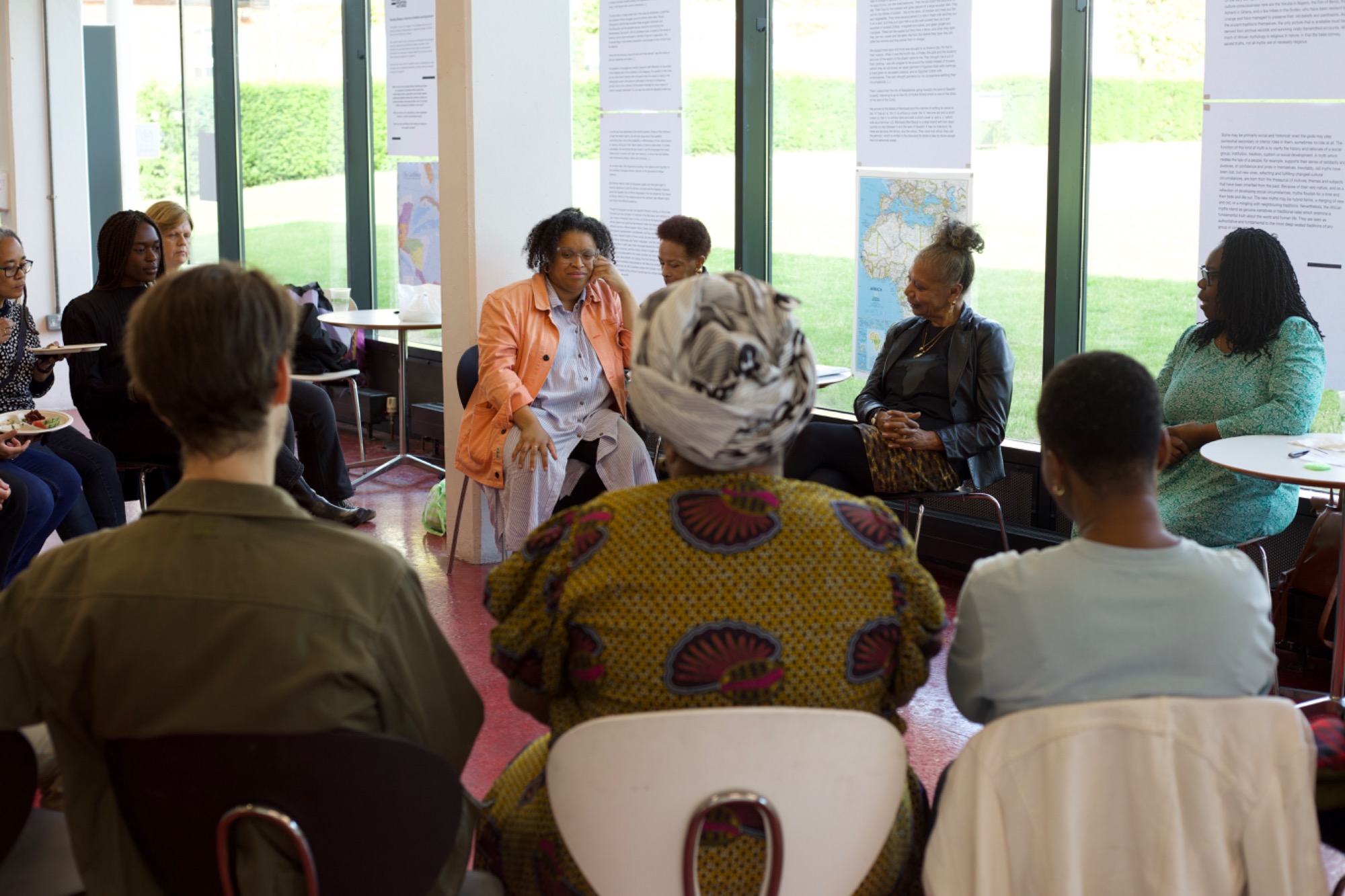
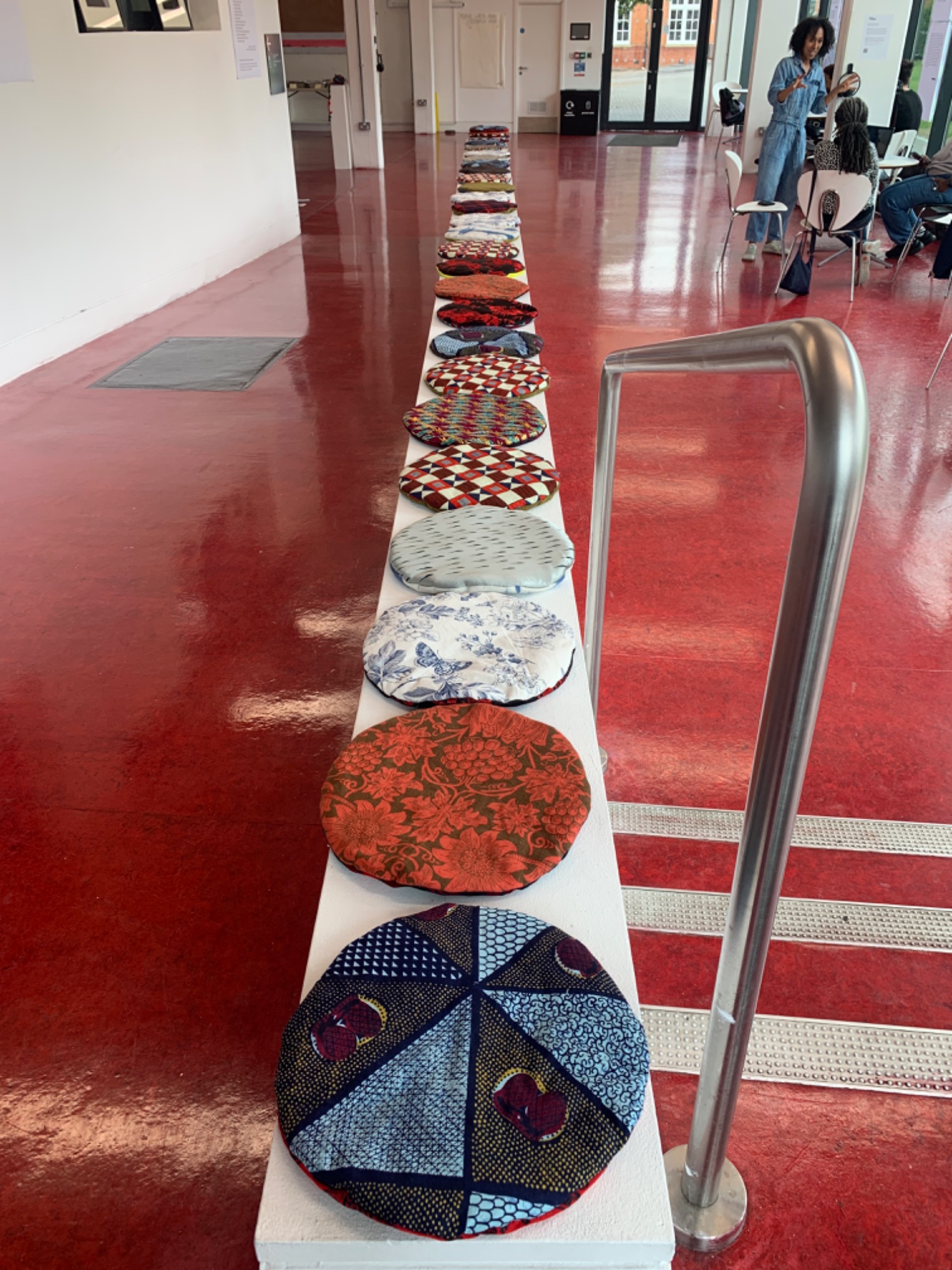
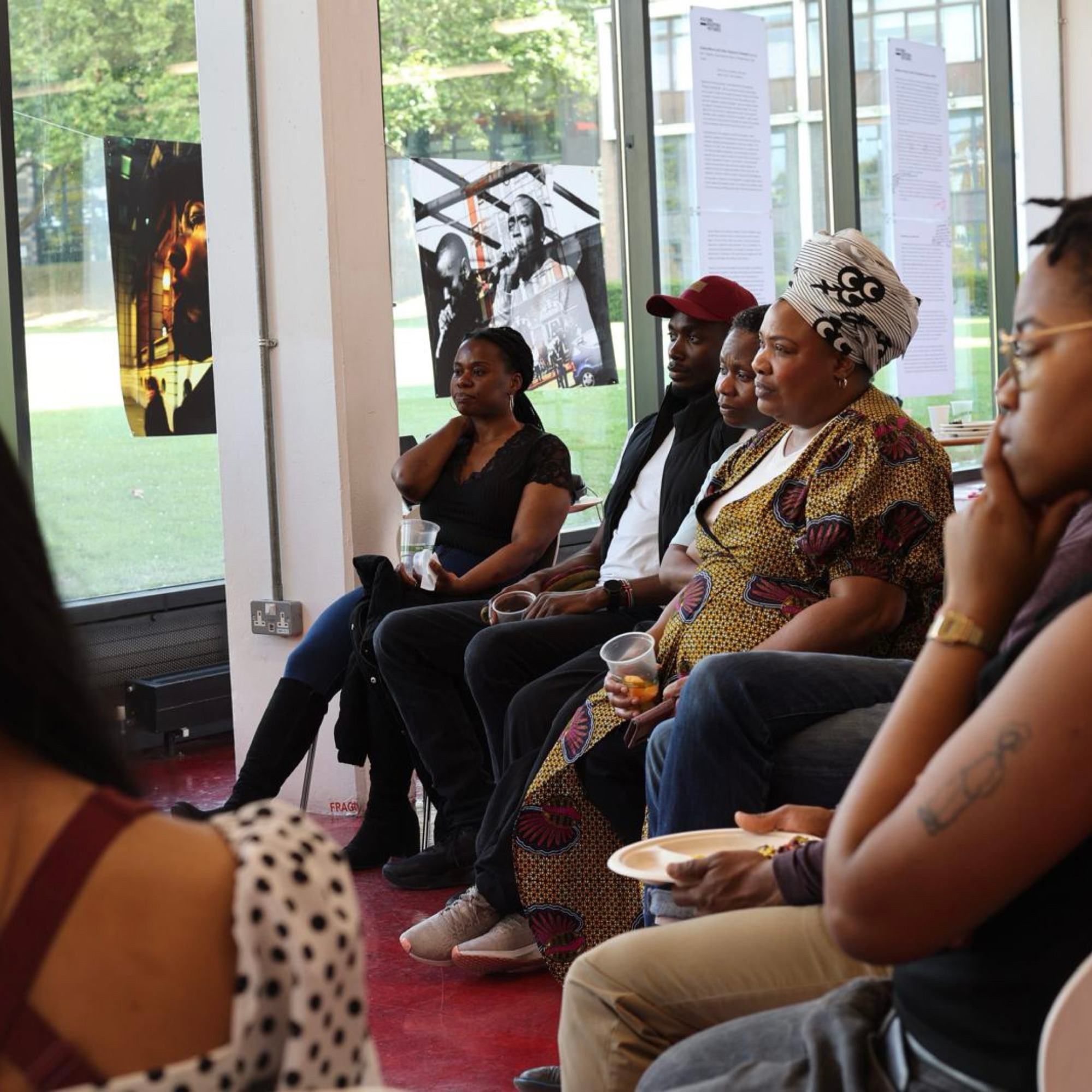
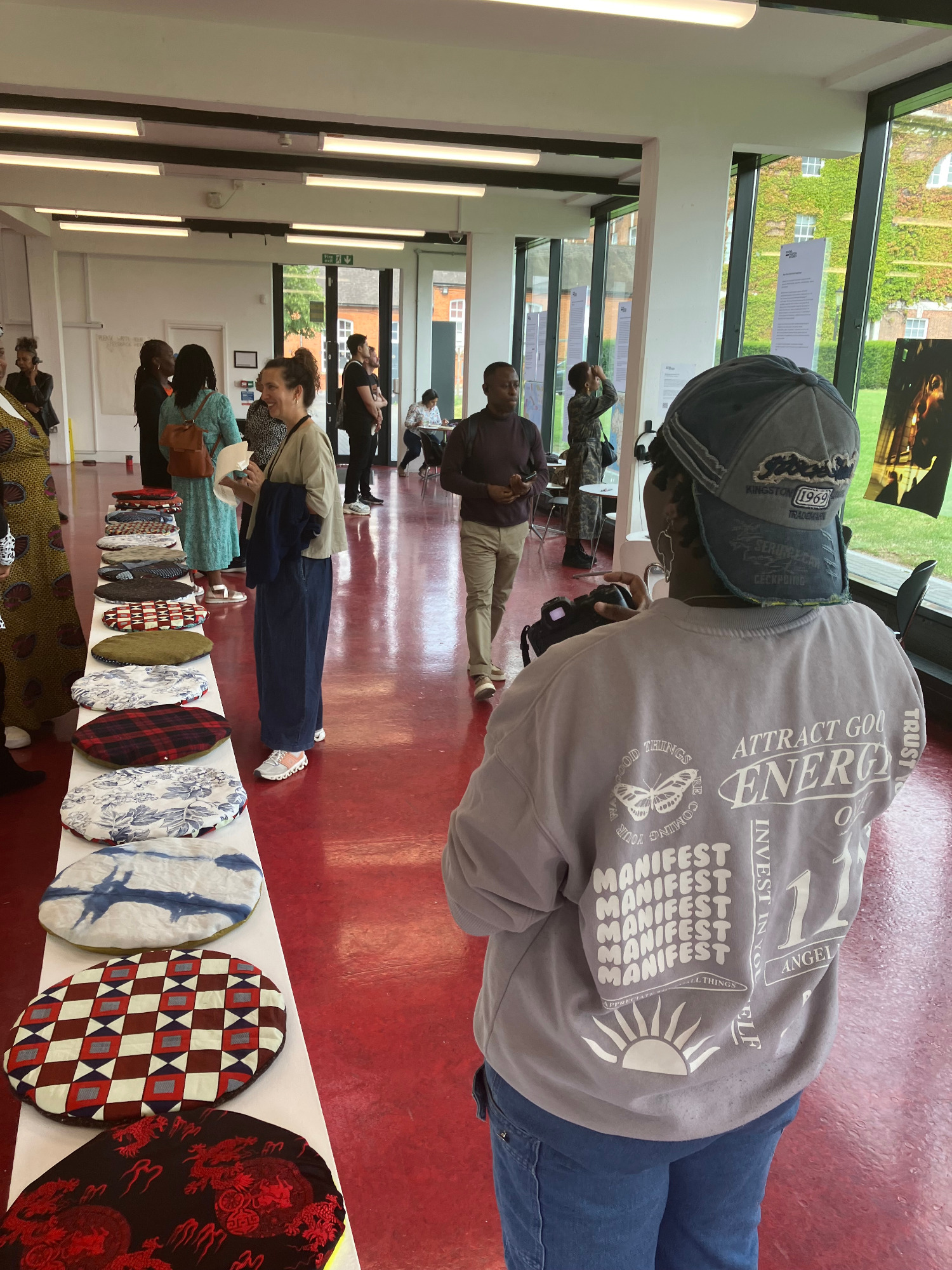
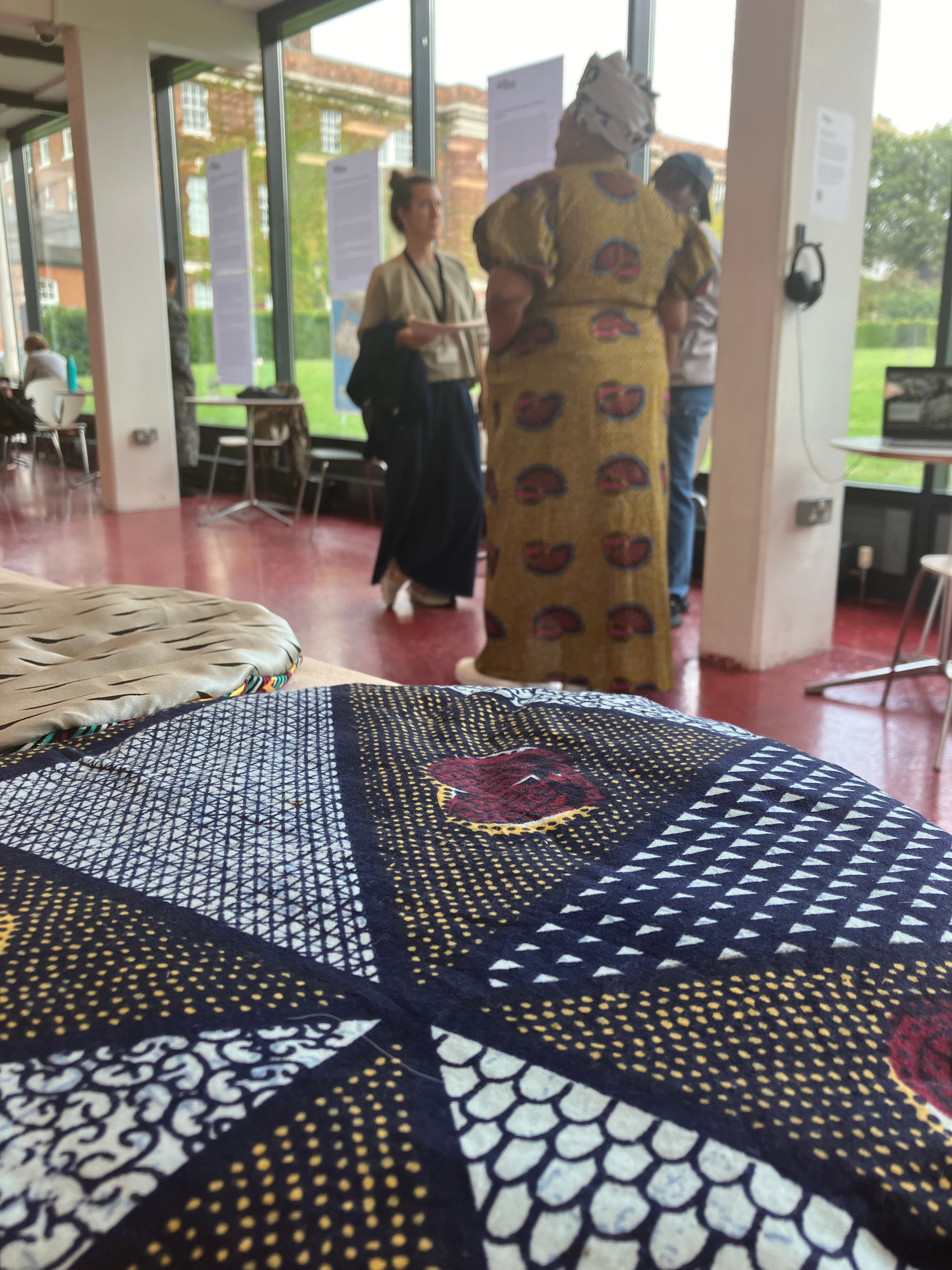
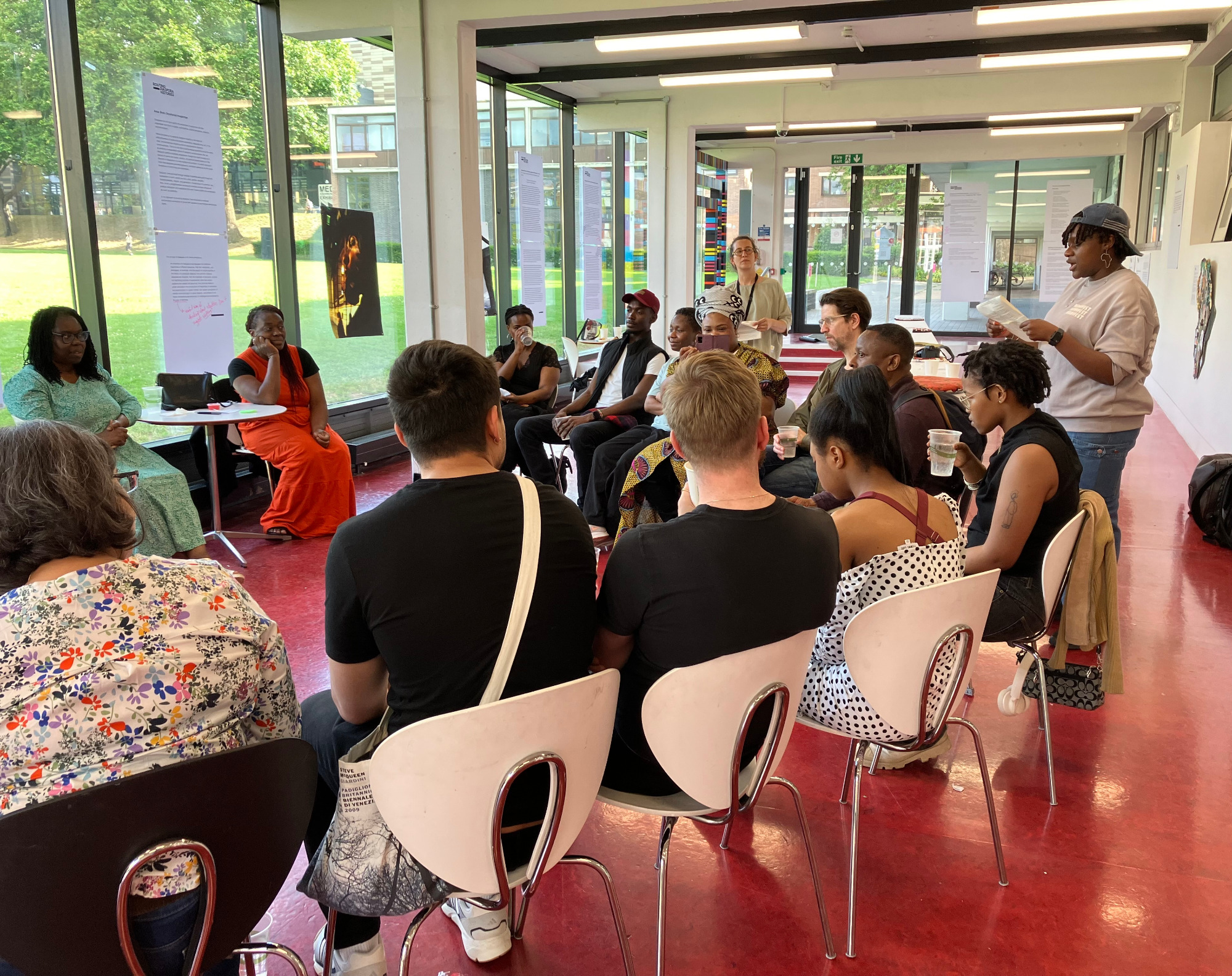
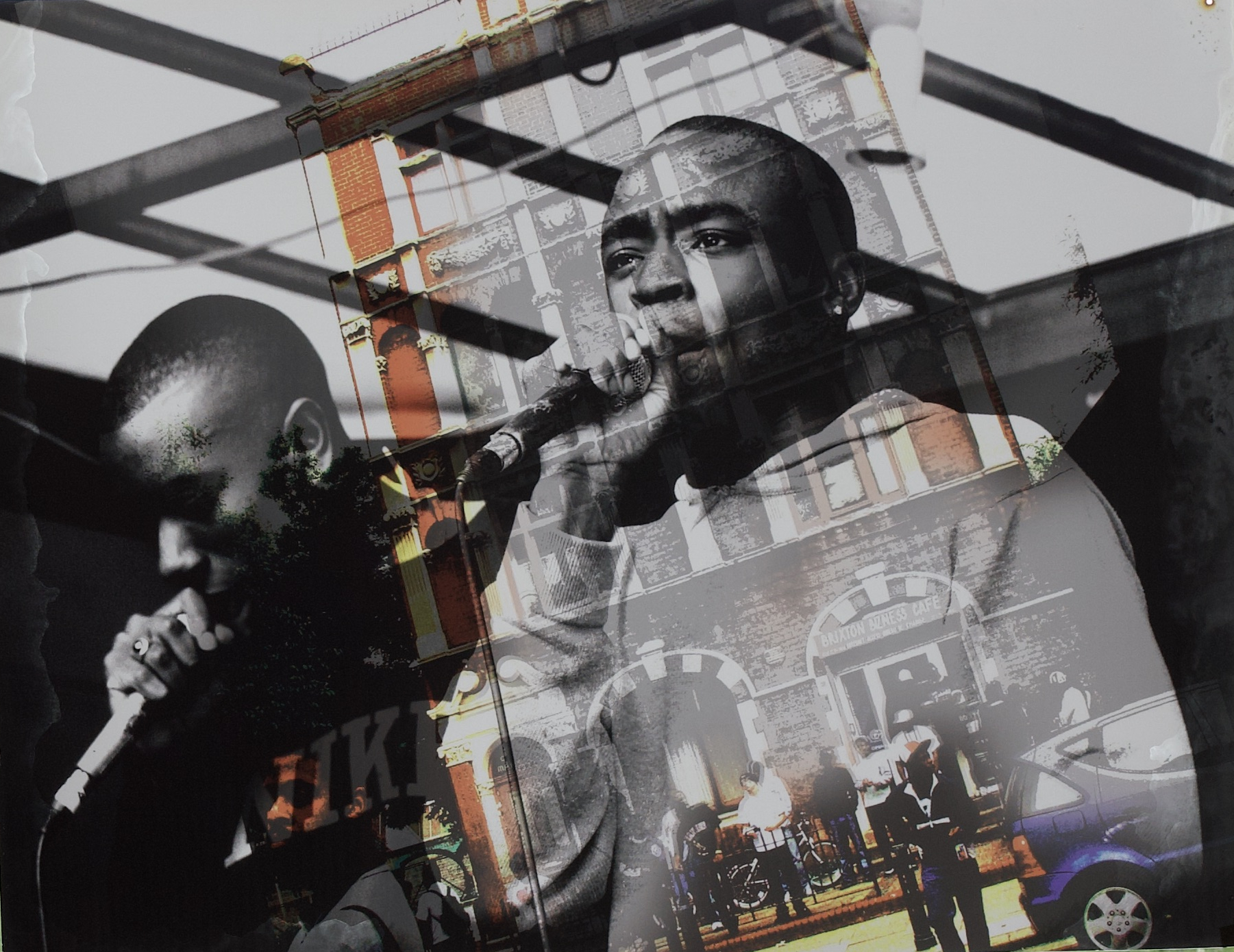
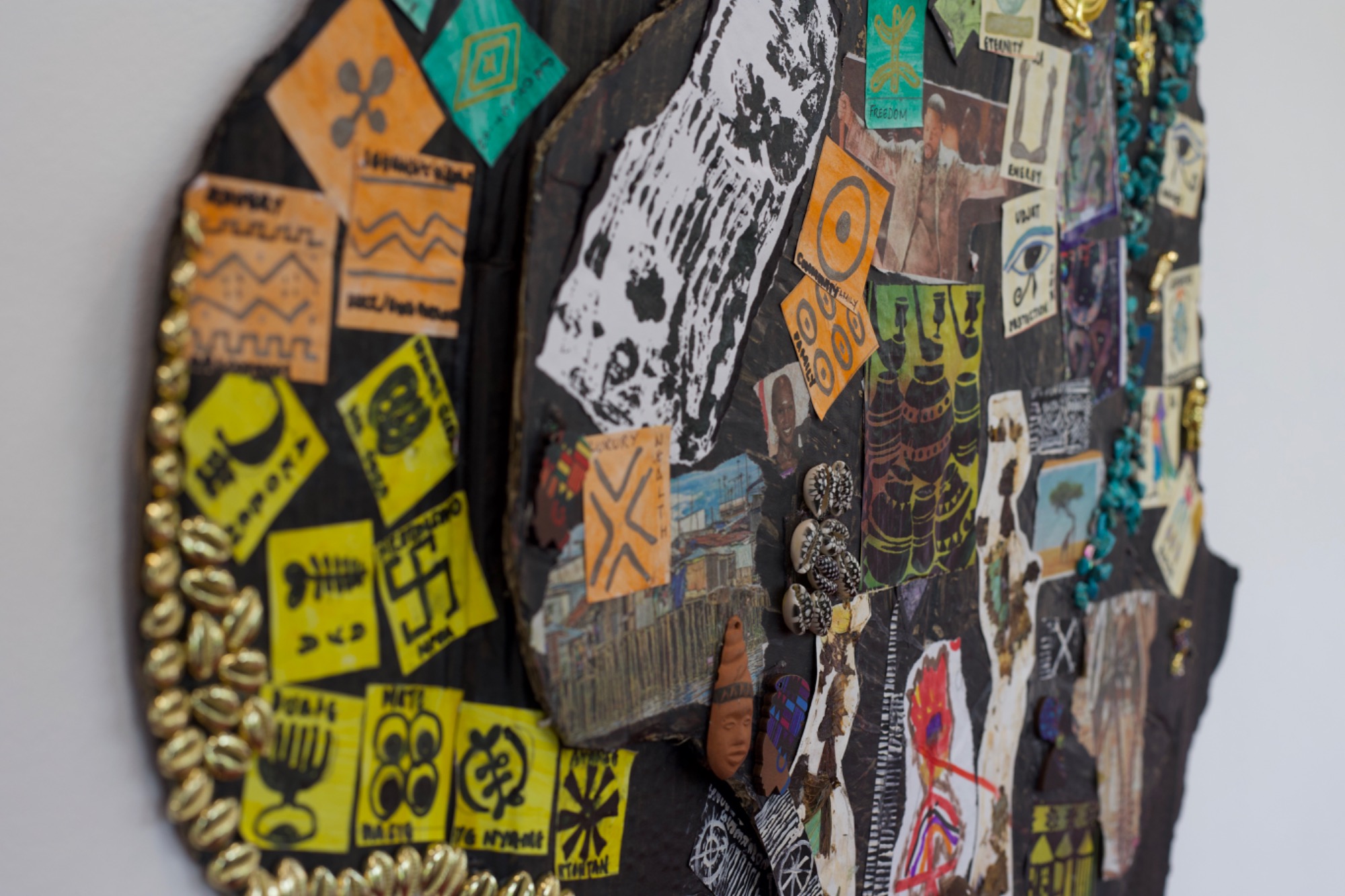
The project culminated in an exhibition of artworks and texts at Goldsmiths University, London, alongside a performance, panel talk and workshop.
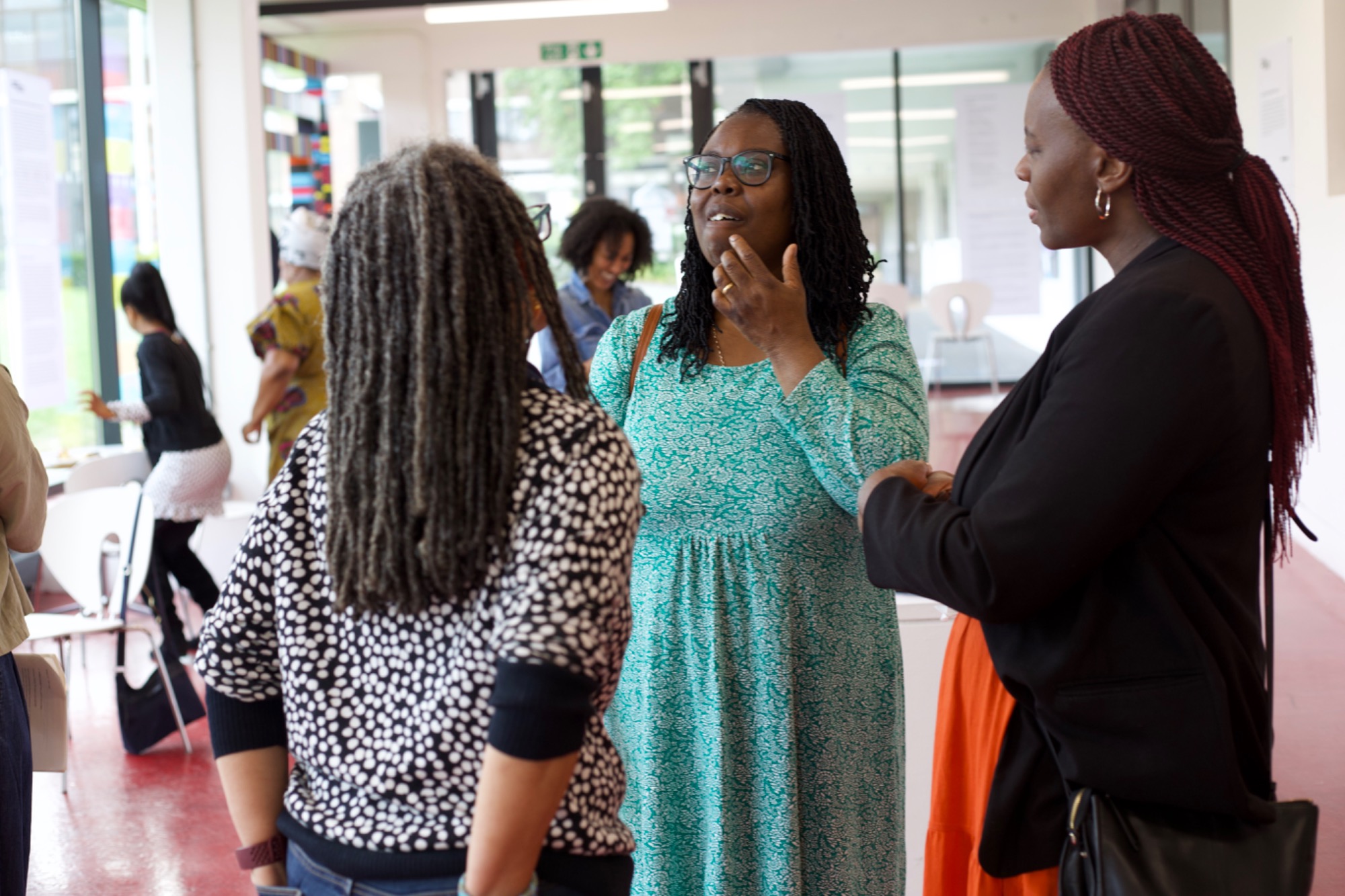
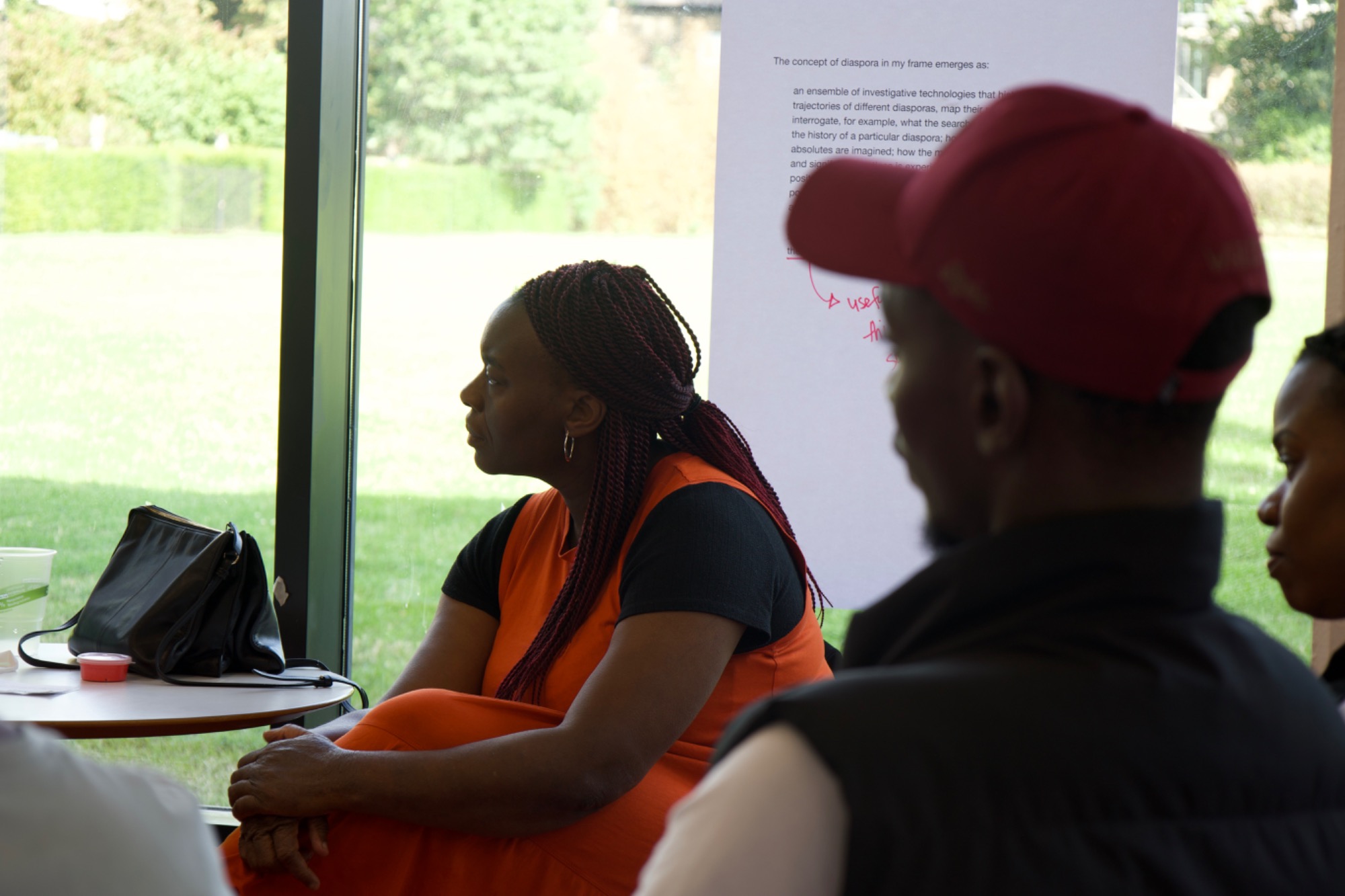
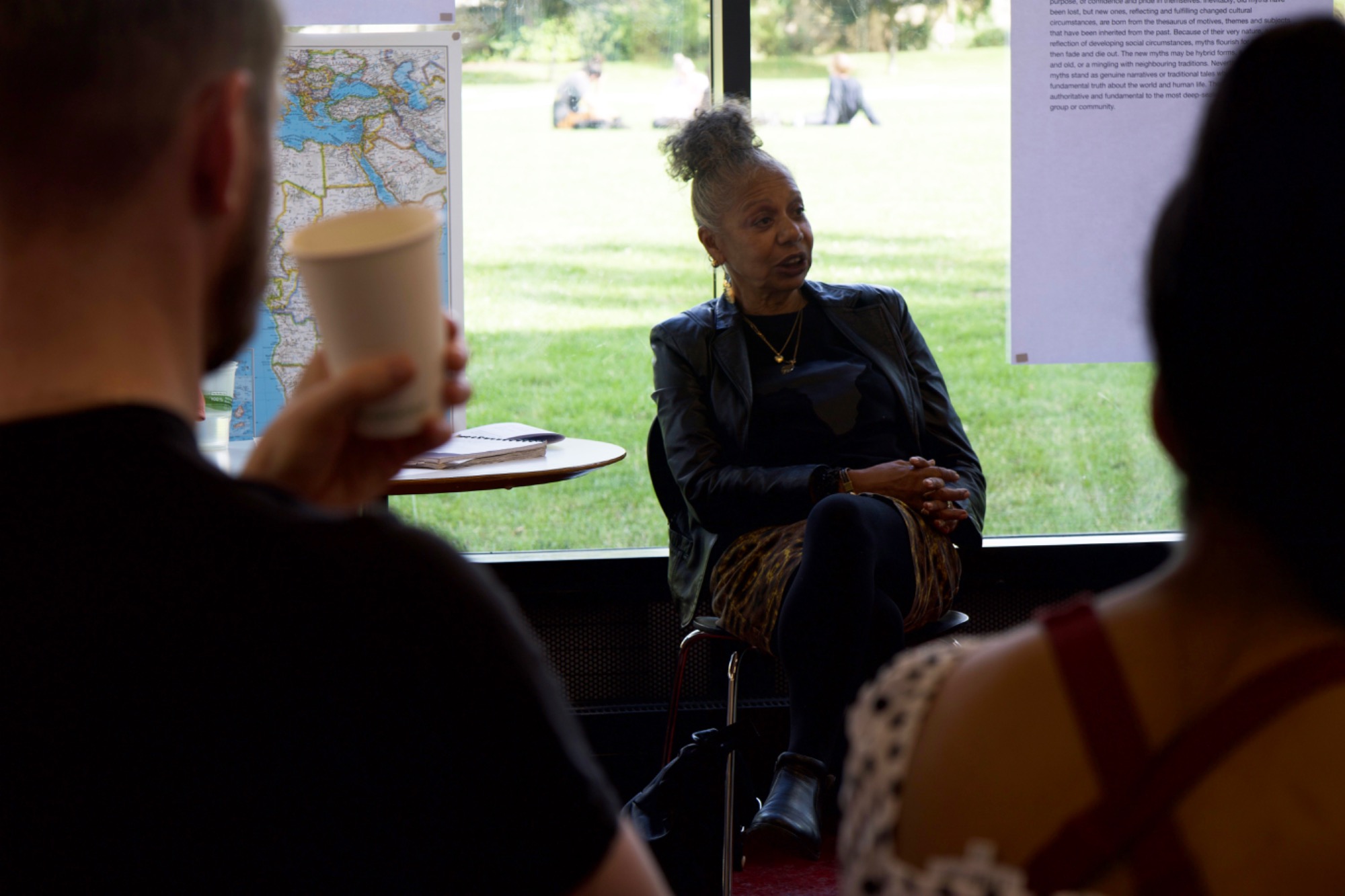
Activist, writer and historian Stella Dadzie, and public historian and open knowledge advocate, Kelly Foster were invited to join the conversation — bringing their own thinking on what history is, who it belongs to, and what it might become.
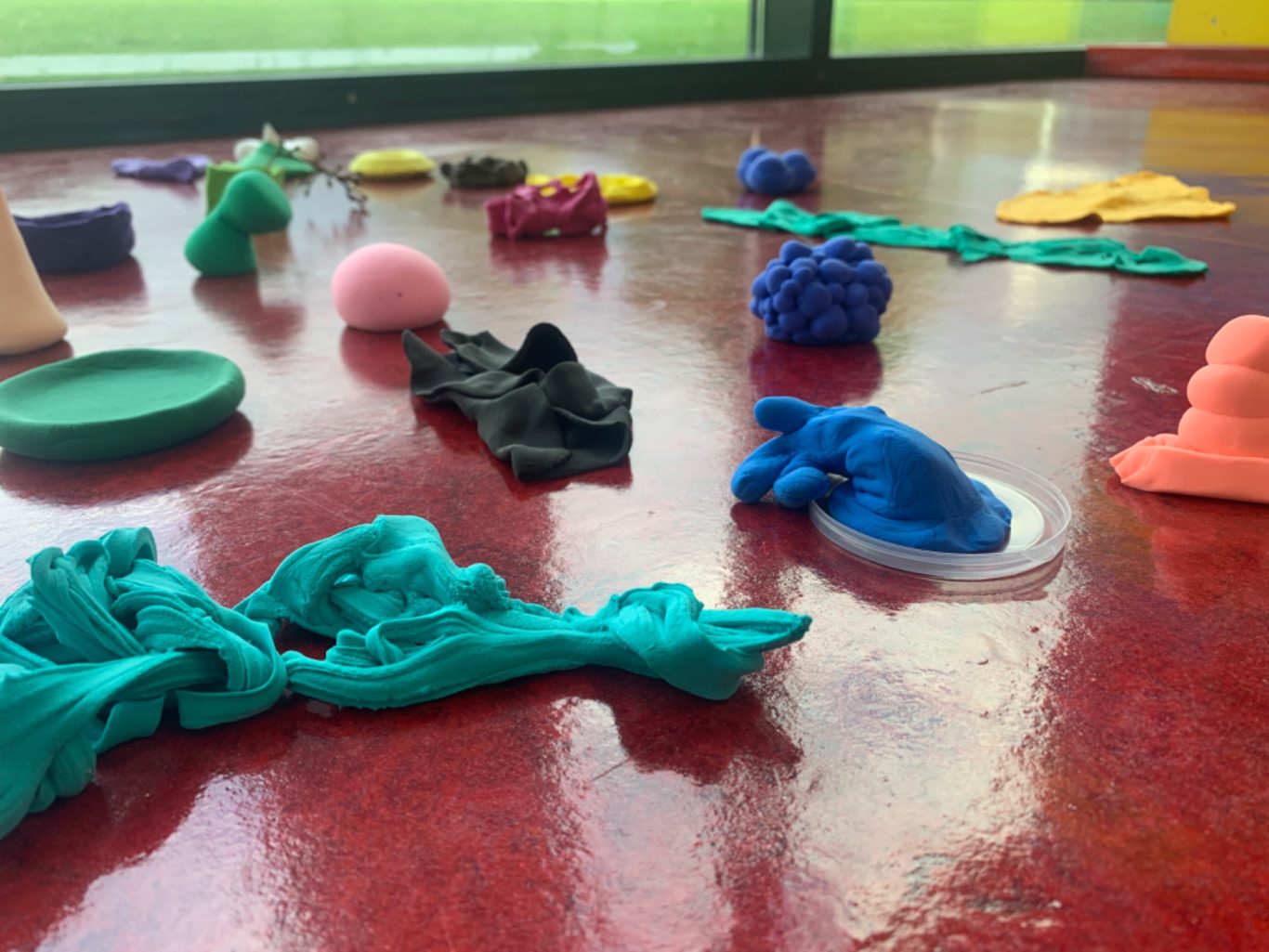





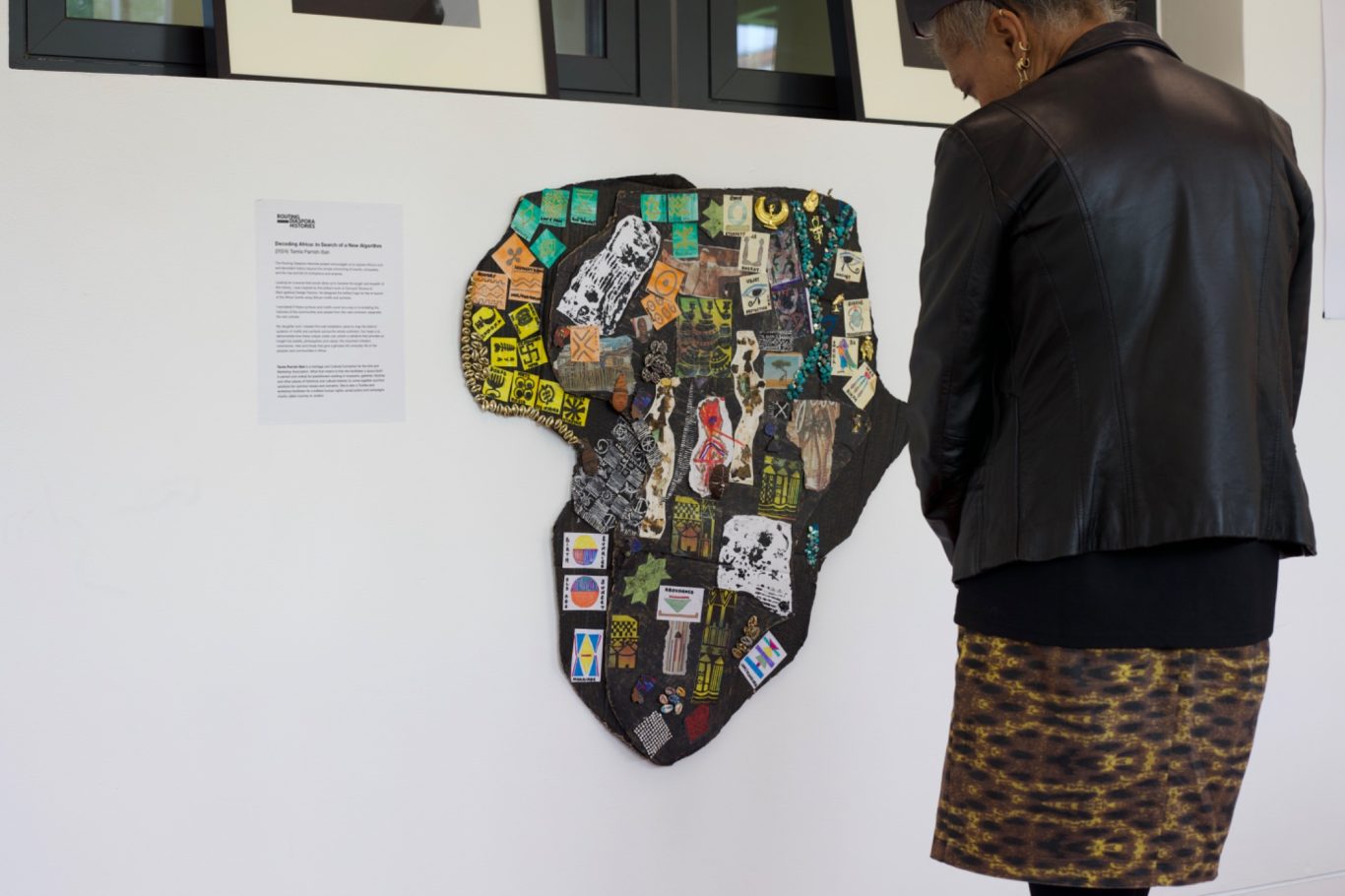
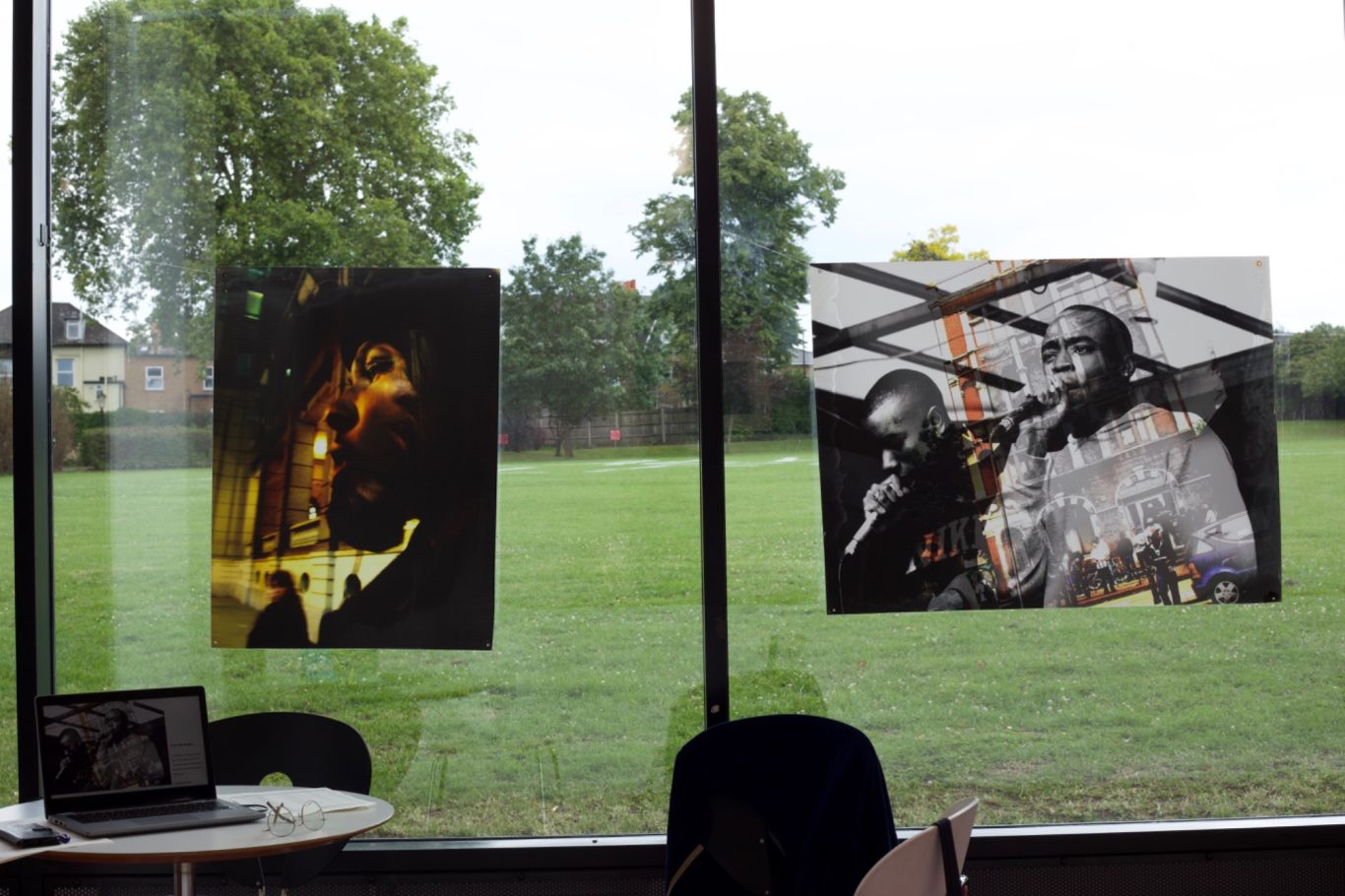

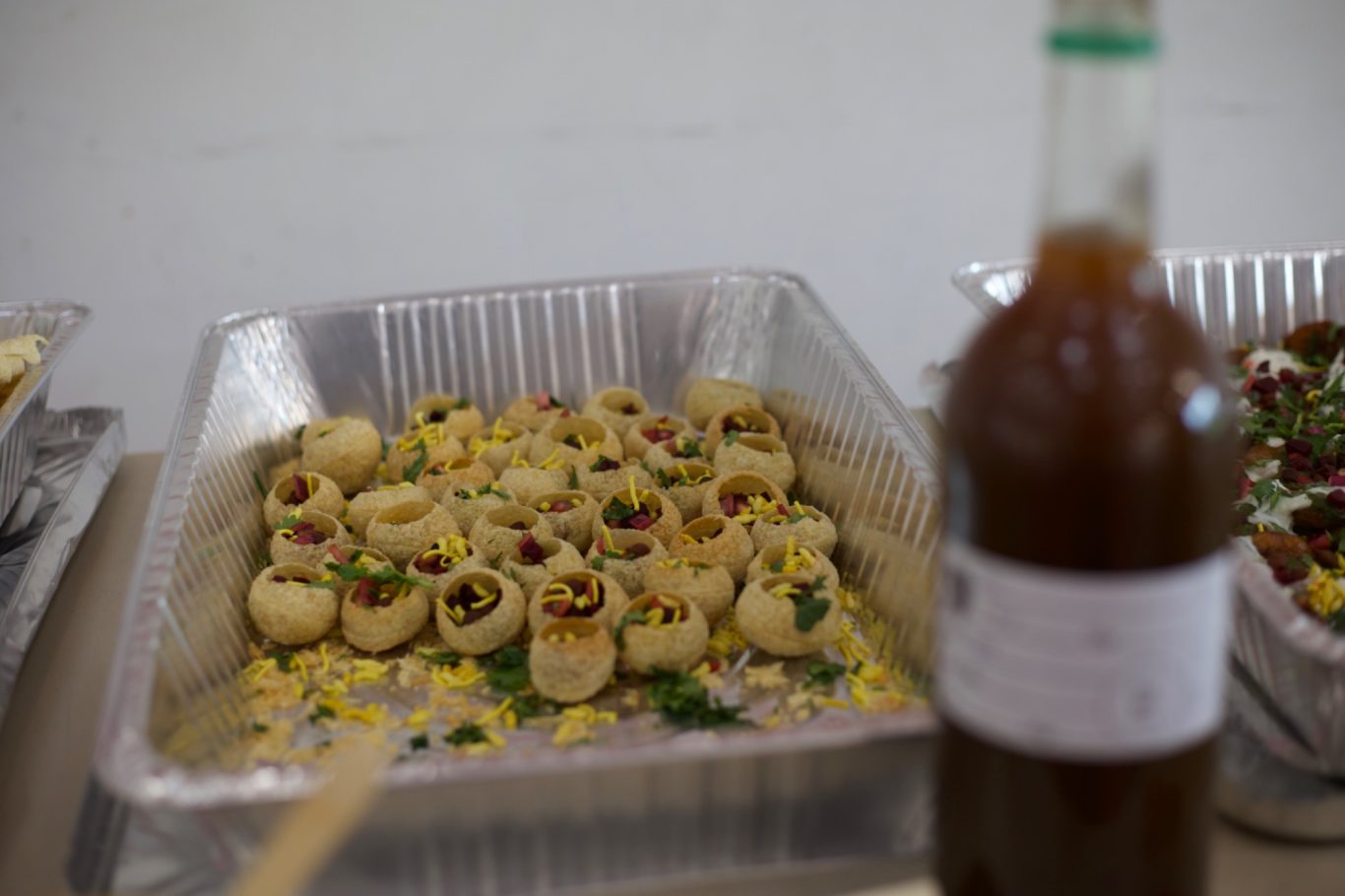
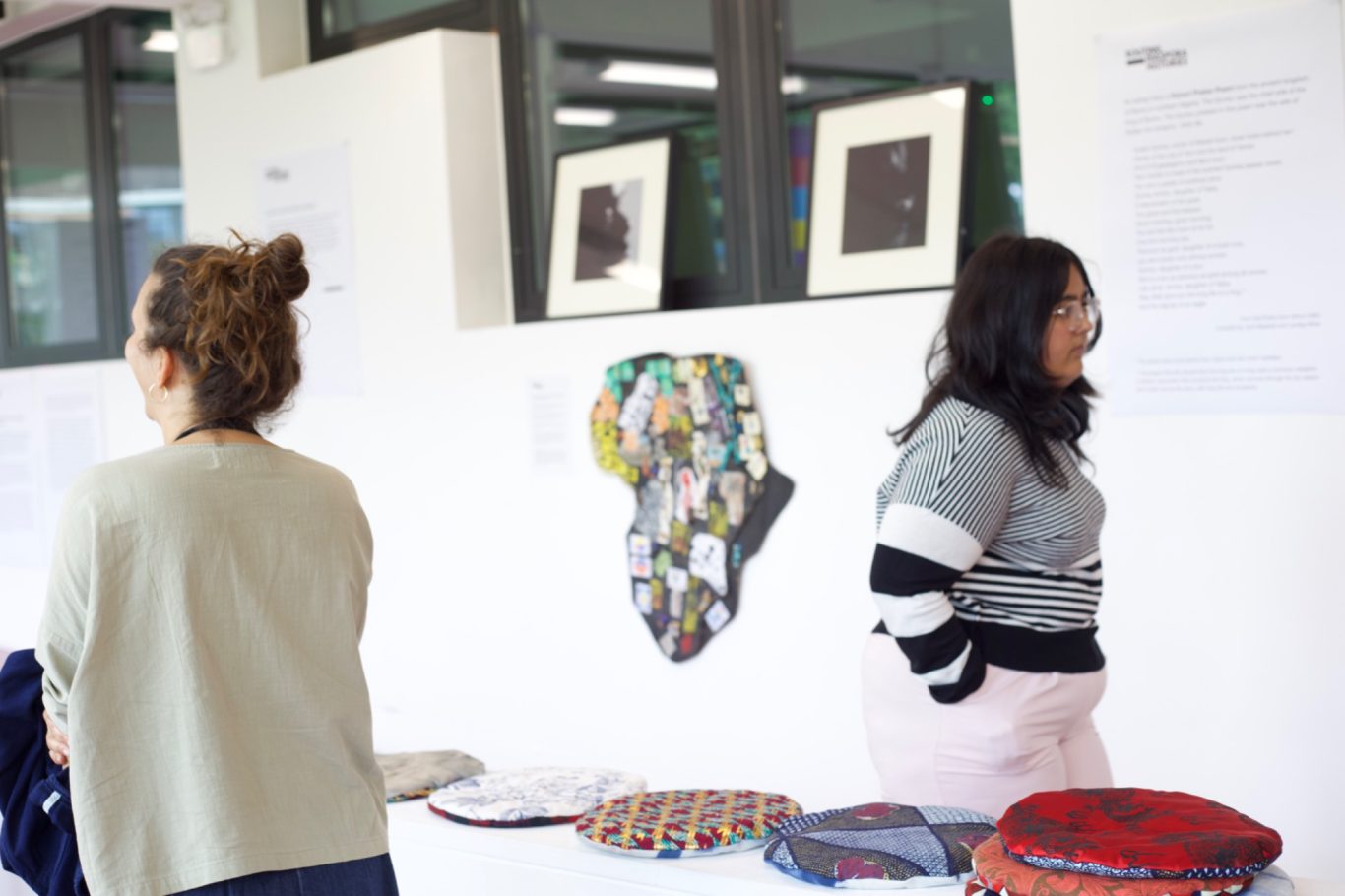











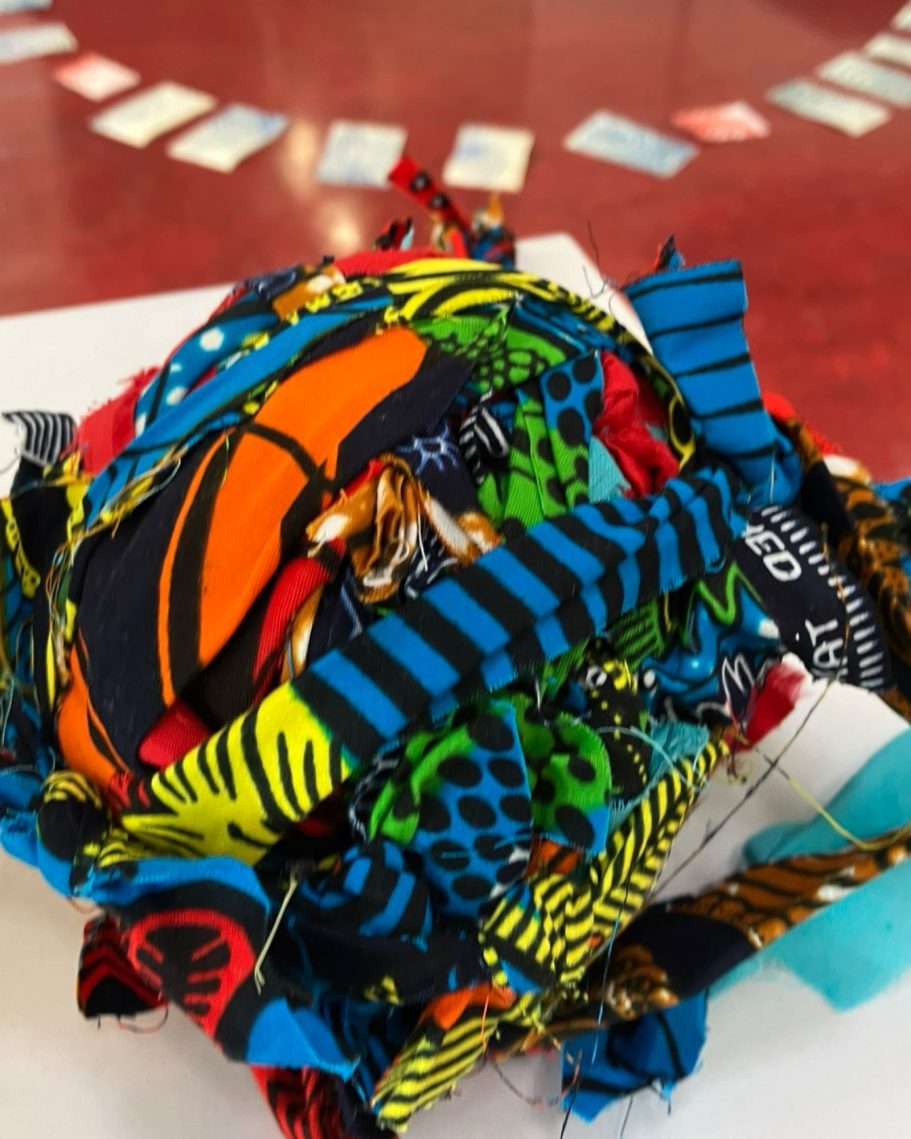
Explore Participants' Work
Thank you to our additional participants & supporters:
Zerritha Brown, Lauren Craig, Renee Odidja, Binki Taylor, Bola Soneye-Thomas
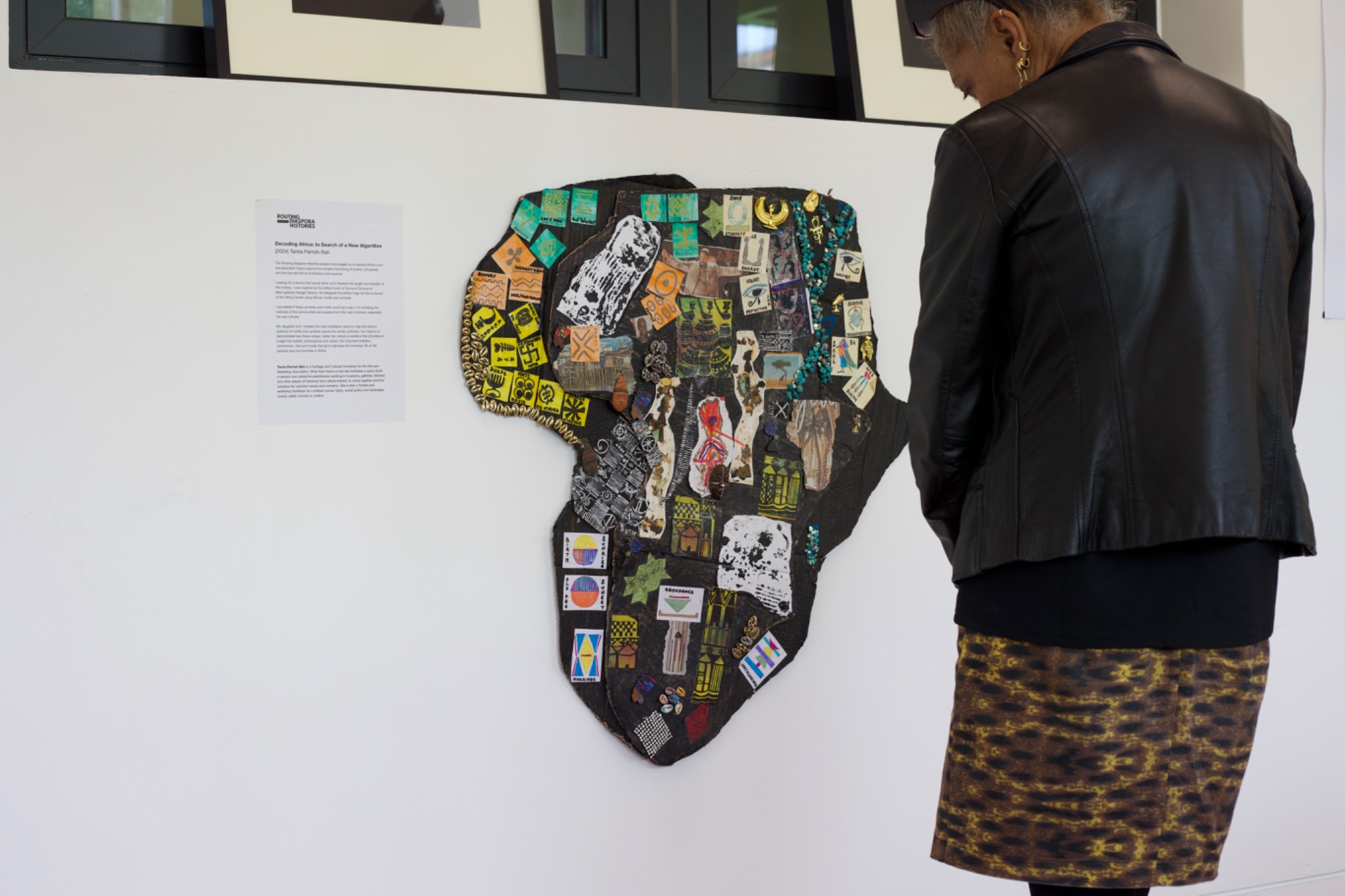
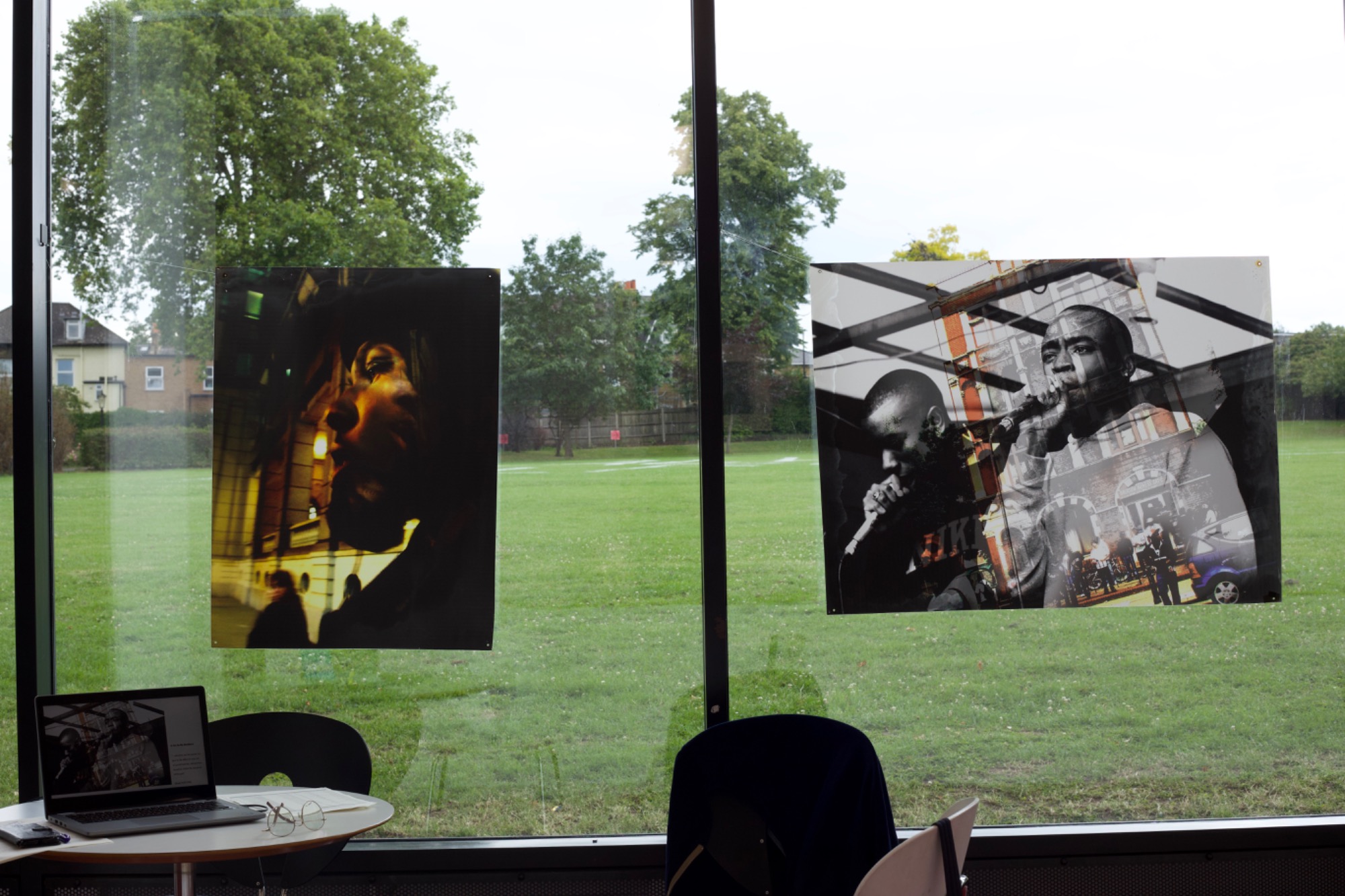
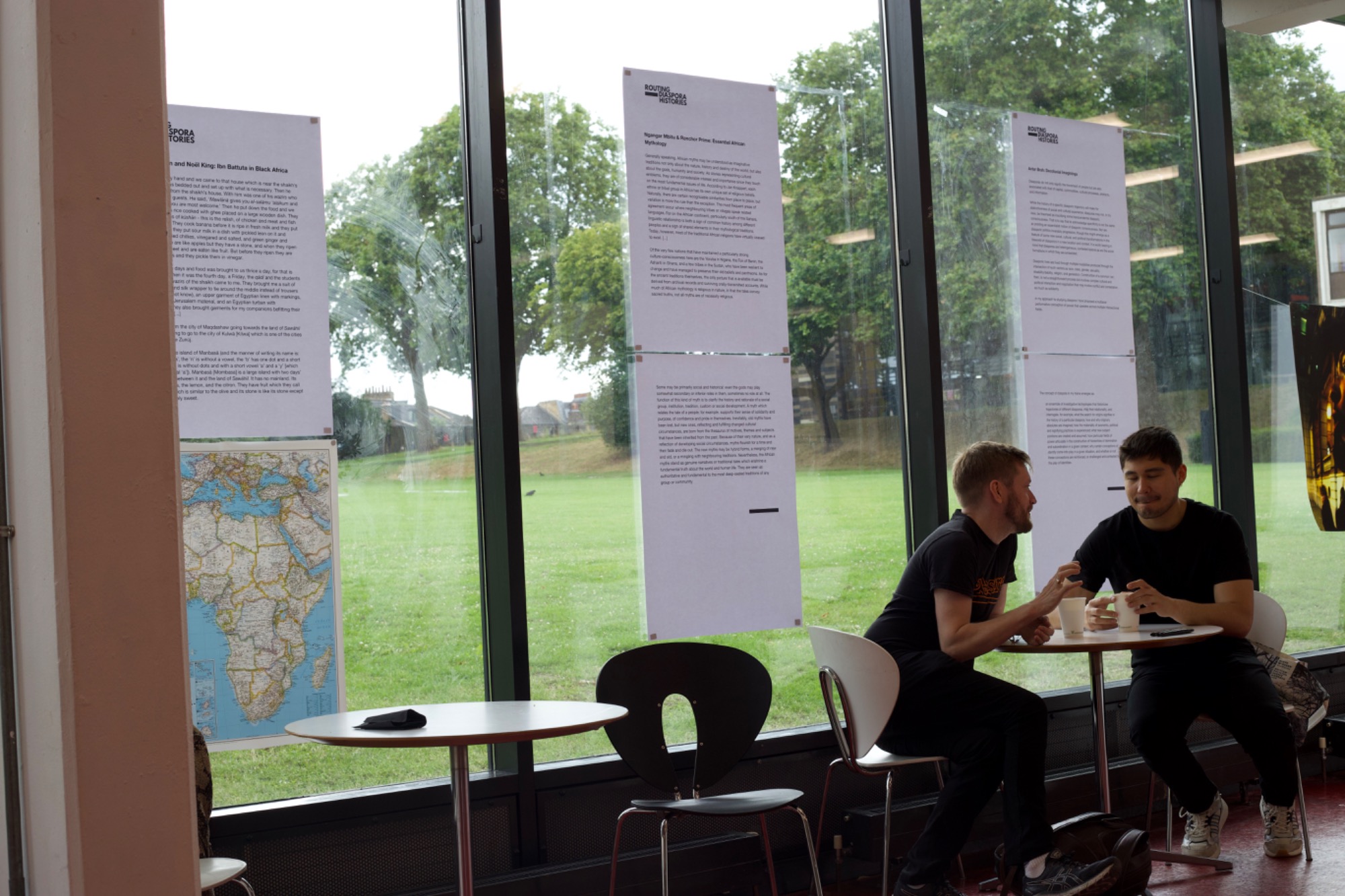
RDH generated a growing list of resources — books and websites — drawn together by the project's original research partner, Glenn Odom, University of Roehampton.
This was expanded — with more books, archival audio and a talk — by participants throughout the project.
We'd love to keep building it.
If you know of something that should be here, please get in touch.
"[This project] gave rise to a different kind of recognition, acknowledgement and perhaps gentle healing of some of the loss and grief, inherent in working with diaspora histories."
Georgina Obaya Evans, Art Therapist and participant